
Strong HOA communication strategies can reduce confusion, lower complaint volume, and make the community feel more stable. The right tools also help residents stay informed without being buried in updates.
HOA Communication Strategies Start With One Home Base
The best HOA communication strategies usually share one trait: a clear “source of truth.” A single home base keeps residents from chasing updates across five places, then blaming the board when details do not match.
That home base can be a resident portal, a community website, or a management platform. Email, text alerts, lobby postings, and social media can still play a role, but the official version of any update should live in one consistent spot.
Clarity gets easier when a simple rule is set early: “Official notices live here.” Most pushback fades once residents see that the system saves them time.
Pick Channels That Match the Message

Different updates land better in different formats. A pool closure, a gate outage, or a water shutoff needs speed, while an annual budget mailing needs space and context.
A basic channel mix tends to cover most needs:
- Email for detailed updates, meeting reminders, and policy changes
- Text alerts for urgent items and short time-sensitive notices
- Portal or website posts for documents, calendars, and official archives
- Print for residents who prefer paper and for high-stakes notices
Too many channels can backfire. A few well-run channels beat a long list that no one maintains.
Make Messages Easy to Scan
Most residents read HOA updates on their phones, often while multitasking. A wall of text can feel like work, even when the content is important.
A simple format helps more than a clever one. Many boards stick to a short structure that stays familiar:
- What happened in one sentence
- What changes for residents
- When it starts and when it ends
- Where details live in the home base
- What to do next, even if no action is needed
Tone matters, too. A calm voice and clear facts keep the focus on the issue rather than the emotions surrounding it.
Email That Residents Actually Read

Email is still a workhorse for communities. It handles longer updates well and keeps a searchable record.
Subject lines deserve more attention than they usually get. A subject that matches the message, includes a date when helpful, and avoids vague wording can increase open rates without any tricks.
For boards refining homeowner communication strategies, the email itself should feel organized and fair. Two short paragraphs often beat one long explanation, especially when a deadline is involved.
Text Alerts With Guardrails
Text messaging works when time matters. Quick alerts about safety issues, access problems, weather closures, or emergency repairs can reach residents faster than email.
A clear boundary protects trust. Many communities limit text messages to urgent updates only, then use email for anything that requires context.
Consent and accuracy matter here. An opt-in list, updated phone numbers, and a habit of sending one clean correction if details change can prevent frustration later.
Portals and Websites That Reduce Repeat Questions

A portal or community website can do the heavy lifting for day-to-day communication. Documents, meeting dates, forms, project updates, and policies become easier to find when everything lives in one place.
Fewer phone calls tend to follow once residents know where to look. A short “Where to find it” section in routine emails can train the community without sounding bossy.
Order matters as much as access. A tidy layout, a clear calendar, and a simple “Start Here” page can reduce the same questions recurring every week.
Meeting Updates That Feel Respectful of Time
Meetings can build trust, but only when expectations are clear. An agenda shared early, a realistic time block, and a short recap afterward can make attendance feel worthwhile.
A recap helps residents who could not attend and limits the spread of rumors. Key decisions, vote results, and next steps should be easy to locate in the home base.
A predictable Q and A process also helps. Residents usually respond better when they know when questions will be taken and how follow-ups will be handled.
Social Media Without Mixed Signals

Social media can be helpful, but it can also create confusion when it appears official yet operates like a free-for-all. Clear labeling prevents problems, especially when residents assume every comment represents the board.
A simple policy keeps things steady. Community rules on respect, privacy, and off-topic posts help the board avoid being drawn into unnecessary disputes.
Official requests should not be posted in comment threads. Maintenance requests, account questions, and records requests belong in the formal process, not in public replies.
A Simple Rhythm That People Can Expect
Residents relax when updates feel predictable. A monthly digest, a standing schedule for board notices, and routine reminders before common deadlines can reduce tension.
A short hoa communication plan can be nothing more than a calendar and a few agreed-upon rules. Frequency, sender, and channel choices become easier once they are written down.
Bigger projects benefit from checkpoints. A start message, a mid-point update, and a closeout note can keep residents from guessing for weeks.
When Things Go Sideways
Emergencies change the rules. Power issues, storm damage, flooding, security incidents, and vendor delays often need faster updates and simpler language.
In those moments, the best HOA communication strategies focus on three basics: what is known, what is not known yet, and when the next update will arrive. Residents handle uncertainty better when the timeline is clear.
Records should still be kept, even in a rush. A short post in the home base after each urgent alert can create a clean trail without adding extra work.
Make Communication Work for Everyone
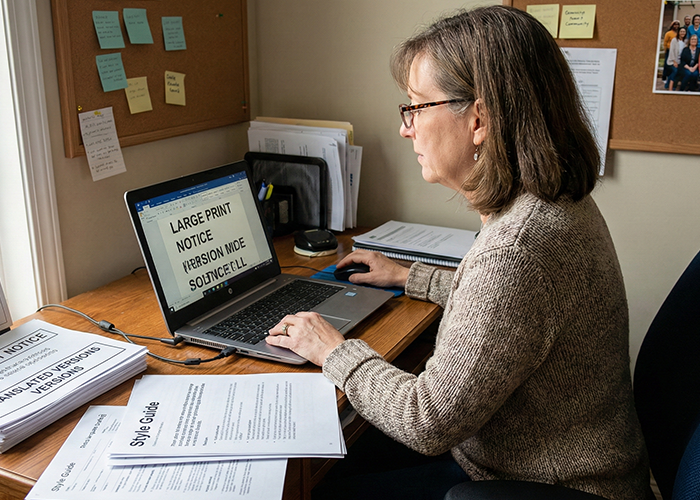
Not every resident receives information the same way. Some owners rely on paper notices, some need larger text, and some prefer translated summaries.
A basic accessibility mindset can prevent conflict. Simple formatting, clear headings, and readable language help almost everyone, including residents who skim.
Consistency also supports fairness. A process that reaches the whole community reduces the risk of “I never knew” becoming a recurring problem.
Less Noise, More Clarity
Better HOA communication strategies are not about sending more messages. A steady home base, the right channel for each update, and a clear format can make communication feel routine rather than stressful.
Need professional support in establishing and handling HOA committees? Freedom Community Management provides HOA management services in Florida. Call us at 904-490-8191 or contact us online to learn more!
Related Articles: