
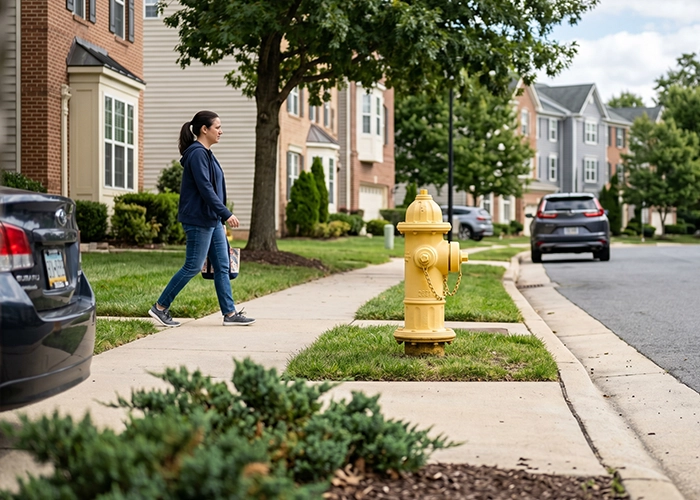
Fire hydrants HOA communities rely on are often overlooked until an emergency happens. These systems play a direct role in protecting homes, property, and lives, which makes proper planning and maintenance essential.
Why Fire Hydrants HOA Communities Depend on Matter
Fire hydrants HOA communities maintain are not just part of the landscape. They are a critical part of the community’s fire protection system and often serve as the first line of defense in an emergency.
When a fire breaks out, response time matters. Firefighters depend on hydrants that are easy to locate, fully operational, and properly maintained. If a hydrant is blocked or not working, it can delay response efforts and increase damage.
For HOA boards, this responsibility goes beyond appearance. It connects directly to safety, liability, and compliance with local fire codes. Communities that stay proactive reduce risk and show a clear commitment to resident well-being.
Understanding Ownership and Responsibility
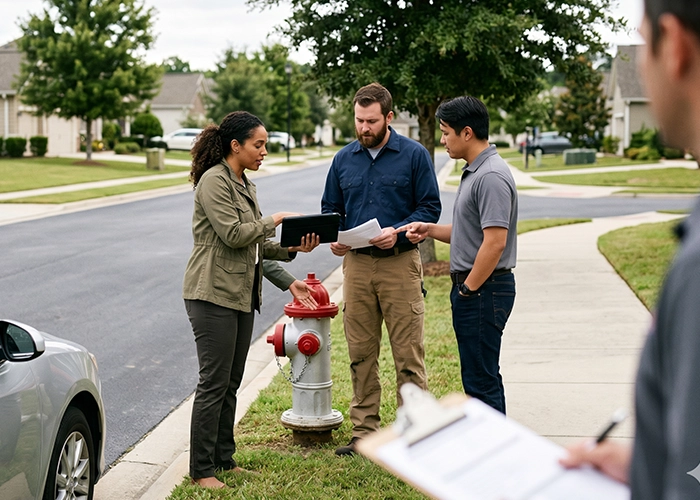
One of the most common areas of confusion is who actually owns and maintains the hydrants within a community. The answer can vary depending on the development and local regulations.
In some communities, hydrants are owned and maintained by the municipality. In others, especially private developments, the HOA may be responsible for inspections, repairs, and ongoing upkeep.
To avoid confusion, boards should:
- Review governing documents and plats
- Confirm responsibility with the local water authority
- Understand maintenance obligations outlined by local fire codes
Clarifying ownership early helps prevent gaps in maintenance and ensures accountability is clear.
Key Components of a Fire Hydrant System
While hydrants may look simple, they are part of a larger system that includes underground piping, valves, and water supply connections. Each piece plays a role in ensuring the hydrant functions properly when needed.
A typical hydrant system includes:
- Main Valve Assembly
Controls water flow from the underground main line. If this fails, the hydrant becomes unusable. - Barrel and Outlet Nozzles
These are the visible parts firefighters connect to. They must remain clean and unobstructed. - Drain Valve System
Prevents water from freezing inside the hydrant after use. This is especially important in colder climates. - Water Supply Line
Connects the hydrant to the community’s water system. Pressure and flow must meet local standards.
Each component requires periodic checks to ensure reliability during emergencies.
Routine Maintenance Requirements
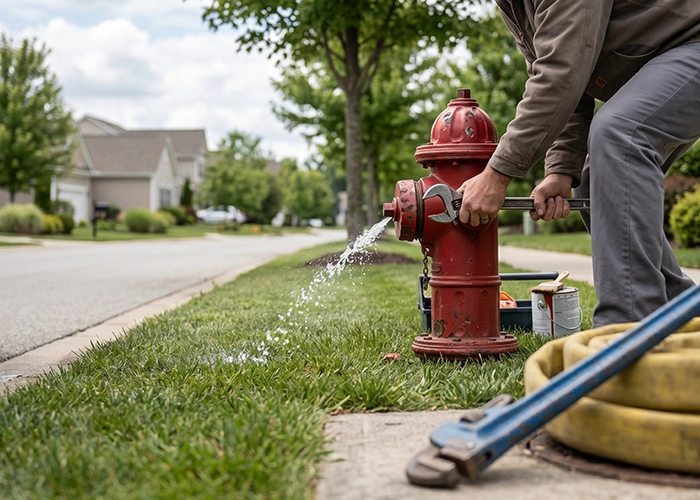
Routine maintenance is not optional. It is a necessary part of keeping hydrants ready for use at any time.
Most communities follow a maintenance schedule that includes inspections, testing, and servicing. While requirements vary by location, there are common practices most HOAs should follow.
Typical maintenance tasks include:
- Visual Inspections
Checking for damage, leaks, rust, or obstructions around the hydrant. - Flow Testing
Ensuring water pressure and flow meet required standards. - Lubrication and Operation Checks
Verifying that caps and valves open and close smoothly. - Painting and Marking
Keeping hydrants visible and color-coded according to local guidelines. - Clearing Surrounding Area
Maintaining at least a 3-foot clearance around each hydrant.
Consistent maintenance reduces the risk of failure and helps communities stay compliant with local regulations.
Inspection Schedules and Compliance
Most jurisdictions require regular inspections of fire hydrants. These inspections may be conducted annually or semi-annually depending on local codes.
During inspections, professionals evaluate:
- Water pressure and flow rate
- Mechanical condition of valves and caps
- Accessibility and visibility
- Signs of leaks or corrosion
Documentation is just as important as the inspection itself. Records should be maintained and readily available in case of audits or emergencies.
Failure to comply with inspection requirements can lead to fines or increased liability. It can also impact insurance coverage, which makes compliance even more important.
Common Issues Found in HOA Communities
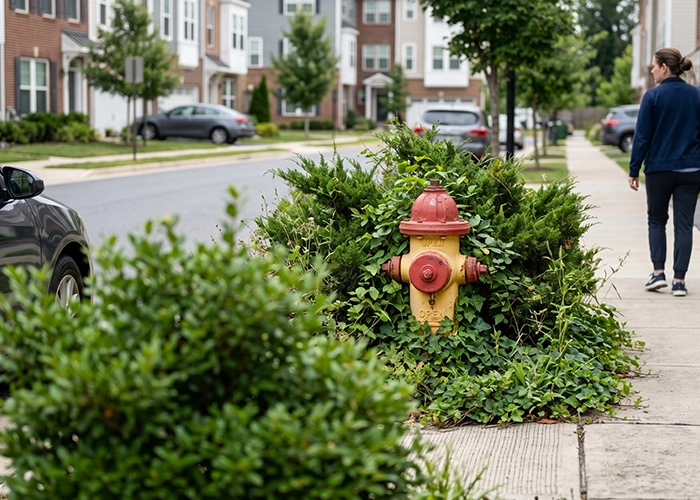
Even well-managed communities can run into problems with fire hydrants. These issues are often preventable with proper planning and routine oversight.
Some of the most common issues include:
- Blocked Hydrants
Landscaping, parked vehicles, or debris can restrict access. - Corrosion or Rust
Over time, exposure to weather can weaken components. - Low Water Pressure
This can result from issues within the water supply system. - Damaged Caps or Valves
These can make the hydrant difficult or impossible to use. - Poor Visibility
Faded paint or overgrown vegetation can make hydrants hard to locate.
Addressing these issues early helps prevent larger problems during an emergency.
Best Practices for HOA Boards
HOA boards play a central role in ensuring hydrants remain functional and compliant. While vendors often handle inspections and maintenance, oversight still falls on the board.
To stay on track, boards should consider the following best practices:
- Partner With Qualified Vendors
Work with licensed professionals who specialize in fire protection systems. - Create a Maintenance Calendar
Schedule inspections and servicing well in advance to avoid missed deadlines. - Maintain Accurate Records
Keep documentation of all inspections, repairs, and tests. - Conduct Periodic Walkthroughs
Visual checks between formal inspections can catch issues early. - Educate Residents
Inform residents about keeping hydrants clear and accessible.
These steps help create a consistent approach to hydrant management.
Budgeting for Fire Hydrant Maintenance

Maintenance costs can vary depending on the size of the community and the number of hydrants. Planning ahead helps avoid unexpected expenses and ensures funds are available when needed.
Common cost considerations include:
- Routine inspections and testing
- Repairs or part replacements
- Painting and visibility improvements
- Emergency repairs
HOAs should include these costs in their annual budget and reserve planning. It is better to plan for maintenance than to deal with costly repairs after a failure.
The Role of Local Fire Departments
Local fire departments are valuable partners in maintaining hydrant readiness. Many departments offer guidance on placement, accessibility, and maintenance standards.
In some cases, fire departments may also:
- Conduct inspections or flow tests
- Provide recommendations for improvements
- Assist with emergency planning
Building a relationship with the local fire department helps ensure the community is aligned with safety expectations.
Legal and Liability Considerations

Fire hydrants HOA communities manage can carry legal implications if they are not properly maintained. If a hydrant fails during an emergency and contributes to property damage, the association may face liability.
Insurance providers may also review maintenance records when evaluating claims. A lack of documentation can complicate coverage and increase risk.
To reduce liability, boards should:
- Follow local codes and regulations
- Maintain consistent inspection records
- Address issues promptly
- Work with qualified professionals
Taking these steps demonstrates due diligence and helps protect the association.
Seasonal Considerations for Hydrant Care
Different seasons bring different challenges for hydrant maintenance. Planning for these changes helps keep systems in working condition year-round.
In colder regions, freezing temperatures can damage hydrants if they are not properly drained. In warmer climates, vegetation growth can block access or visibility.
Seasonal tasks may include:
- Clearing snow or ice during winter
- Trimming vegetation during spring and summer
- Checking for heat-related wear in warmer months
Adjusting maintenance practices based on the season helps prevent avoidable issues.
Planning for Emergency Readiness
Maintenance alone is not enough. Communities should also think about how hydrants fit into their broader emergency preparedness plans.
This includes ensuring that:
- Hydrant locations are clearly mapped
- Emergency access routes remain open
- Residents understand basic safety protocols
Working these elements into a larger safety plan helps create a more prepared community.
Keeping Safety at the Center of Community Planning
Fire hydrants HOA communities depend on are a quiet but essential part of everyday safety. When properly maintained, they provide peace of mind and support faster emergency response.
Want to make sure your community is fully prepared and compliant? Contact us today to review your community’s maintenance strategy and close any gaps before they become risks.
Related Articles: