
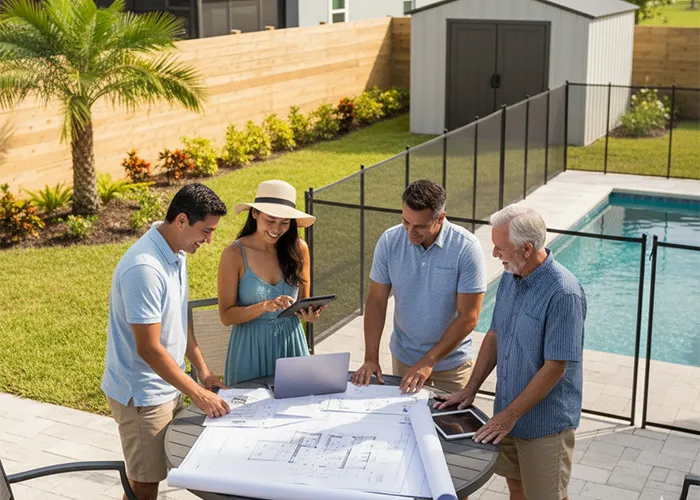
What are HOA Backyard Rules?
HOA backyard rules are the standards your community sets for changes, upkeep, and use of the space behind your home. They sit alongside local codes and building permits. Your declaration, bylaws, and architectural guidelines spell them out in detail.
Most communities require written approval before you alter structures or add new features. That includes patios, decks, sheds, and pools. The review is not meant to slow you down. It checks whether your plans fit the community’s design and safety standards.
Florida HOA Backyard Rules

Florida law gives HOAs a framework, and your documents fill in the details. In practice, Florida HOA backyard rules often address height limits, setbacks, materials, and drainage. They also touch on privacy issues, like fence style and placement, so neighbors keep sightlines and safety.
Florida communities also follow state procedures for notices, hearings, and fines. Boards must give proper notice and the chance to be heard before penalties can stick. Knowing this process reduces stress if a dispute comes up.
What Do HOA Backyard Rules Cover?
Backyard guidelines vary, but most communities regulate a few core items. Here are typical focus areas:
- Fences and Hedges: Height, style, color, and placement near easements.
- Sheds and Outbuildings: Size, materials, roof line, and location away from property lines.
- Patios and Decks: Surface materials, elevation, railings, and drainage plans.
- Pools, Spas, and Safety: Barriers, alarms, equipment screening, and water flow.
- Lighting and Noise: Fixture brightness, direction, and quiet hours.
- Trees and Landscaping: Removal, replacement, and species that affect drainage or roots.
These topics protect both curb appeal and safety. They also help prevent conflicts between neighbors.
Can HOA Enter Your Backyard?
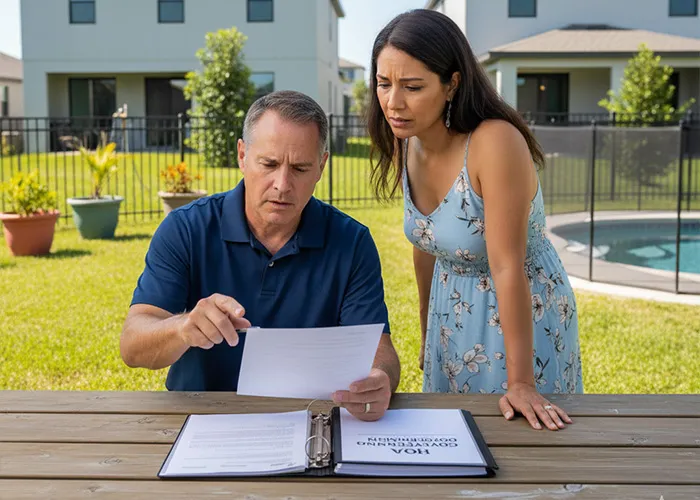
This depends on your governing documents and the situation. Many declarations allow entry at reasonable times for maintenance of common areas, emergency repairs, or to fix a confirmed violation that the owner failed to address.
Routine inspections usually require notice. Emergencies may not. If the association plans to step inside a fenced yard, the board or manager should state the purpose, the authority in the documents, and the time frame. If you have questions, ask to see the specific clause that grants entry.
Can HOA Fine You for Backyard Issues?
A frequent concern is whether the HOA can fine you for backyard violations. Florida law allows fines when a rule is broken, but there are safeguards. The board must give you notice and a chance to appear before an independent committee. Daily fines can be applied for ongoing issues, but the total fine is capped unless your documents allow a higher amount. A fine under a set level cannot become a lien.
The simplest way to avoid fines is to communicate early. If a project is already underway and an issue pops up, pause and contact the manager. Many problems can be resolved with a revised plan.
What Happens If You Build a Patio Without HOA Approval?
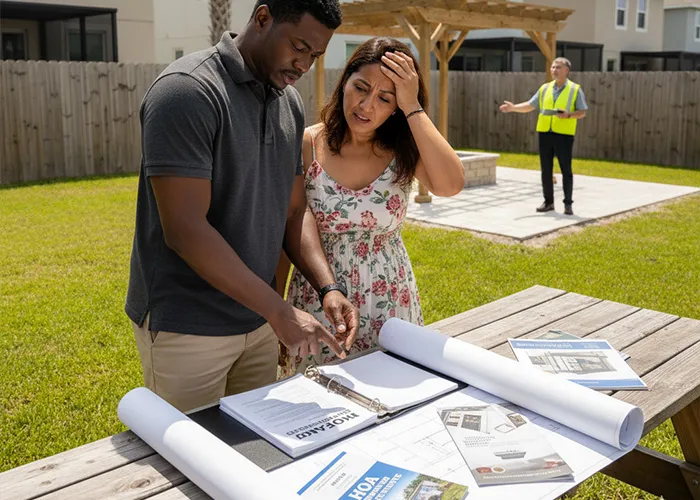
Homeowners also ask, what happens if you build a patio without HOA approval. You could be asked to remove or alter the patio at your cost. The association may fine you until you fix the violation. You might also face trouble at resale if the buyer’s title company or lender spots an open violation or unpermitted work.
If you made an honest mistake, act fast. Submit an after-the-fact application with drawings, photos, and product sheets. Show that drainage, setbacks, and safety are addressed. The board may still require changes, but swift action shows good faith.
How to Get Backyard Projects Approved Faster
You can keep the process smooth with a few simple steps. Start by reading your architectural guidelines and any landscape rules. Note size limits, colors, and materials that are allowed. Then gather the right documents before you apply.
Helpful items include a site plan with measurements, product brochures, color samples, and a basic drainage note. If the project touches a utility easement, call the utility locator first. If a county or city permit is required, submit copies or show your plan to obtain one.
Drainage and Easements

Backyard work can change how water moves. That is why many HOA backyard rules focus on grading, downspouts, and permeable materials. Your association will ask where water flows and how you plan to avoid pooling on a neighbor’s lot.
Easements allow utilities or the association to access parts of your yard. Placing a shed or a large tree inside an easement may violate your documents or local rules. Check your survey and be sure your project sits outside restricted areas.
Privacy and Views
Homeowners want privacy, yet communities want a consistent look. Expect your guidelines to address fence styles, hedge heights, and screens around equipment. If you add a privacy screen, choose styles listed as acceptable in your documents. Keep tall plantings far enough from property lines so growth does not spill over onto a neighbor’s side.
Pets, Play, and Storage
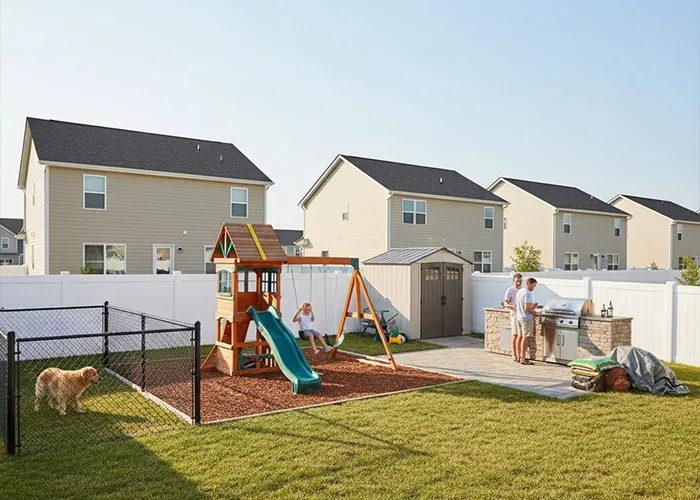
Many HOA backyard rules cover pet runs, playsets, and storage. Anchoring a swing set may require a permit or at least a safe setback. Visible storage of building materials or unused furniture is usually limited to short periods. Rules may also restrict outdoor kitchens or fire features based on fuel type and distance from structures.
Resolving Problems Without a Fight
Disagreements can happen even when you try to do things right. Stay calm and stick to the process. Ask for the exact section of the rule you are said to have broken. Request a meeting, present your plan, and bring evidence that your project meets code and the community standard.
If you receive a violation, respond within the deadline. You can request a hearing and propose a cure plan with dates. Boards often accept practical timelines, especially when a contractor’s schedule or weather plays a role.
Budgeting and Long-Term Care

Backyard projects cost more than materials. Set aside funds for permits, review fees, and required inspections. Add a small reserve for changes the board might request. Once built, keep the area clean and in good repair. Quick maintenance prevents small issues from becoming violations.
Simple and Compliant
Following HOA backyard rules keeps projects smooth and protects your home’s value. Start with your documents, ask questions, and get approvals in writing. A little planning can turn a backyard idea into a finished space you can enjoy without headaches.
Looking for professional support in handling backyard rules? Freedom Community Management provides HOA management services in Florida. Call us at 904-490-8191 or contact us online to learn more!
Frequently Asked Questions
Need Help With Your Community?
Freedom Community Management provides professional HOA and condo management across Florida.