
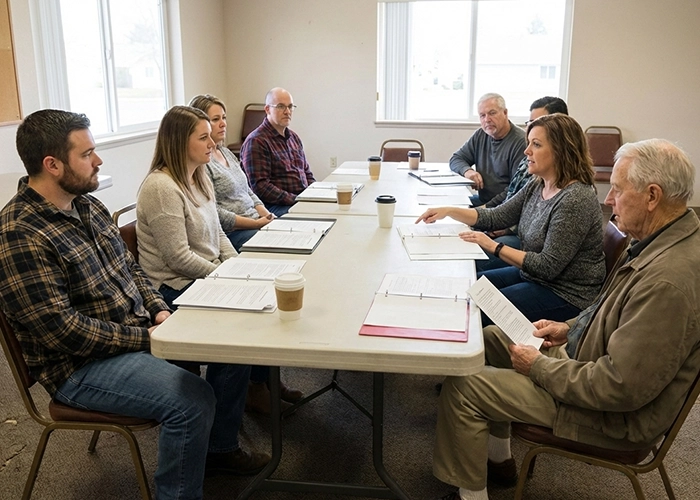
HOA penalties can keep a community looking good and running smoothly, but only when they feel fair. A clear system helps neighbors understand what happens next, and it keeps board decisions from looking personal. In this guide, the focus stays on practical enforcement steps that support compliance and reduce conflict.
HOA Penalties and Fair Process
A community’s rules are only as strong as its follow-through. Even small violations can turn into bigger problems when the board looks the other way or changes its approach from one homeowner to the next. Consistency is what makes HOA penalties feel like governance instead of drama.
Fairness matters just as much as firmness. Notices, timelines, and a chance to be heard should sit at the center of enforcement, even when the violation seems obvious. As a result, homeowners are more likely to correct the issue without pushing back.
Most boards are trying to protect shared property values and everyday quality of life. That goal is easier to reach when the association treats enforcement as a routine administrative job, not a moral judgment about a neighbor’s choices.
Authority Starts With Your Documents

The right to enforce rules is not automatic. It usually comes from the declaration, bylaws, and adopted rules, along with any state requirements that apply to your community type. A quick review of those documents often reveals the board’s tools, the notice steps, and the limits on what can be charged, so resolutions and posted rules stay aligned.
Clarity in the paperwork helps everyone. A published schedule of penalties sets expectations, and it cuts down on claims of surprise. If the documents are vague, a board policy can add structure, as long as it stays within the authority already granted.
Local requirements can shape the details. Meeting notice rules, hearing deadlines, and owner access to records may apply to enforcement decisions. A short check with counsel or a seasoned manager can keep the policy aligned with those rules.
Penalty Options That Match the Issue
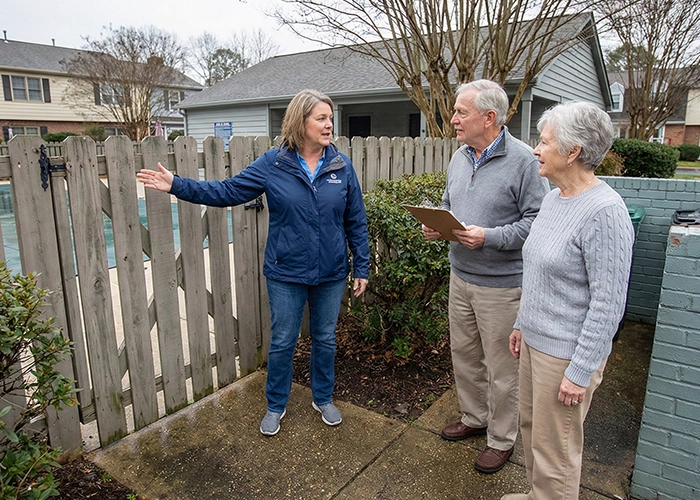
Not every violation needs the same response, and a trash-can problem usually calls for a different approach than a safety hazard or an unapproved exterior change. The strongest programs pick a penalty that fits the impact, the history, and the chances of quick compliance. A graduated approach also helps homeowners see that HOA penalties are not personal.
Warnings Before Money
A first notice often works best when it explains the rule, the problem, and the fix in plain language. A friendly tone still belongs in that message, especially when the issue is minor or could be a misunderstanding. Time to cure should be reasonable, with a date that is easy to find.
Sometimes, a stronger step is needed after repeat violations. At that point, HOA fines can make sense, but the amount should feel proportional and tied to a written schedule. A clear path to a hearing helps the association look steady and predictable.
Privilege Limits
Amenity access is a common lever, but it should be used carefully. Pools, gyms, and clubhouses are community features, so a suspension needs to be allowed by the documents and handled the same way each time. A written notice should explain what is being suspended, for how long, and what restores access.
Some communities also limit voting or use-rights for certain delinquencies. Those steps can have strict legal requirements, so local guidance matters. A careful approach prevents a penalty from becoming a new problem.
Cost Recovery and Repairs
Damage to common areas or repeated cleanup can justify reimbursement. Costs should be documented, and the homeowner should see what was spent and why. In many associations, those charges are treated like an assessment rather than a punishment, which can affect collection options.
Self-help remedies sometimes exist too, such as the board correcting a violation and then charging back the cost. That route needs tight documentation and a clear paper trail. HOA penalties tend to work best when they start small and grow only when needed.
A Simple Enforcement Path
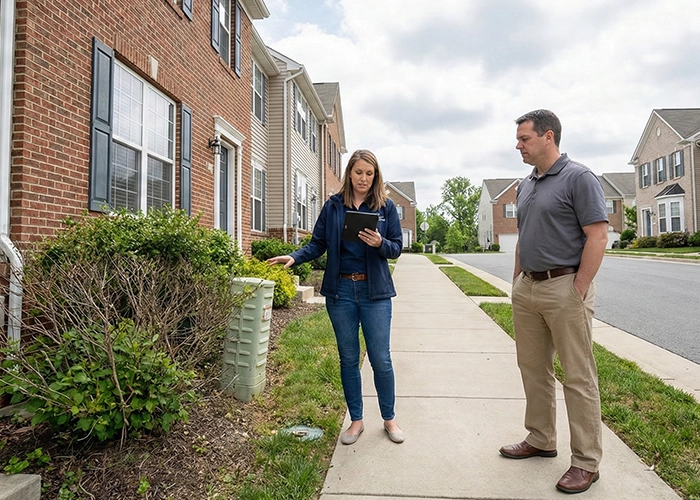
A steady routine keeps emotions out of the process. When the same steps are followed each time, homeowners know what to expect, and board members feel less pressure in the moment. This kind of structure also helps new volunteers learn the job faster.
A basic path usually includes:
- Verification of the violation through a site visit, photo, or report
- A written notice that cites the rule and describes the issue
- A reasonable cure period with a clear deadline
- A hearing or meeting opportunity, when required or requested
- A written decision that explains next steps and timelines
Follow-up is the part many boards skip. A recheck date keeps the matter from dragging on, and it reduces the chance of selective enforcement claims. If the violation is cured, a short closing note and written confirmation can prevent confusion later.
Paper Trails That Protect Everyone

Good records support fair decisions. Photos with dates, copies of notices, and a simple log of contacts can turn a tense conflict into a straightforward review of facts. When a homeowner challenges the board, documentation often does the heavy lifting.
Communication style plays a role, too. Neutral language keeps the focus on compliance, not character. Personal remarks and sarcasm can be tempting in a heated moment, but they rarely help and can be quoted later.
Board unity matters in enforcement. A decision should be made as a board action, recorded properly, and then carried out by the manager or designated officer. Individual board members should avoid side conversations that sound like private deals, and shared templates can keep messages consistent when volunteers rotate.
When Escalation is the Right Call

Some situations call for a higher level response. Repeated violations after multiple notices, serious safety issues, or unpaid charges that keep growing can all justify escalation. At that stage, the question is less about emotion and more about risk.
Collections and legal steps vary widely by state, so local counsel is often part of the plan. Options can include a demand letter, formal dispute resolution, or court action when other efforts fail. In many places, HOA Liens are tied to unpaid assessments and approved charges, not every kind of penalty, so careful review is essential.
Alternative paths can still help, even late in the process. Mediation, a payment plan, or a written compliance agreement may resolve the problem faster and with less cost. A strong enforcement program keeps those options open while still making clear that HOA penalties will be applied.
Keeping Peace
Strong HOA penalties are built on consistency, clear documents, and respectful communication. A calm process protects the community and helps neighbors move past conflict without lasting resentment. When expectations are clear, most owners correct problems quickly and the board can focus on bigger priorities.
Looking for professional support with managing HOA penalties? Freedom Community Management provides HOA management services in Florida. Call us at 904-490-8191 or contact us online to learn more!
Related Articles