

Summer is in full swing, and for many communities, that means long afternoons at the HOA pool. But before residents dive in, it’s essential to review safety guidelines and keep up with pool maintenance to ensure a safe and enjoyable season.
Why is HOA Pool Safety Important?
For most people, the HOA pool is a recreational spot, but it’s also a shared space. It’s an area in the community where families, friends, and neighbors gather to unwind and have a good time. Given this, HOA boards should prioritize HOA pool safety.
Having a clean, safe, and well-managed pool area helps prevent accidents while creating a space that residents can truly enjoy. Additionally, well-maintained pools also reduce liability for the HOA and foster community goodwill.
Setting Clear Community Pool Rules
If you have a clear set of rules for the community pool, you can easily prevent many issues. Those rules need to cover basic safety measures and pool etiquette.
Some of the typical HOA pool guidelines include:
- Pool hours of operation
- No running or horseplay
- Adult supervision for young children
- Restrictions on glass containers
- Proper swimwear dress code
HOA boards need to ensure the rules are easily seen. They should be posted at the pool entrance and other parts of the community pool area. You can also send guidelines and reminders via email or newsletters.
By having consistent and clear guidelines, homeowners can better understand how to behave at the HOA pool to ensure it remains safe for everyone.
Managing Condo Pool Rules
In the case of condo communities, associations often face the challenge of maintaining a small shared pool. These pools can get crowded quickly, so their pool rules may need to address capacity limits, noise levels, and guest policies.
If you’re creating condo pool guidelines, consider adding the following:
- A limit on the number of guests per household
- Quiet hours to prevent disturbances in nearby units
- Clear instructions for reserving pool areas for small events
Posting condo pool rules in common areas helps ensure everyone is on the same page before they hit the water.
HOA Pool Maintenance: The Basics
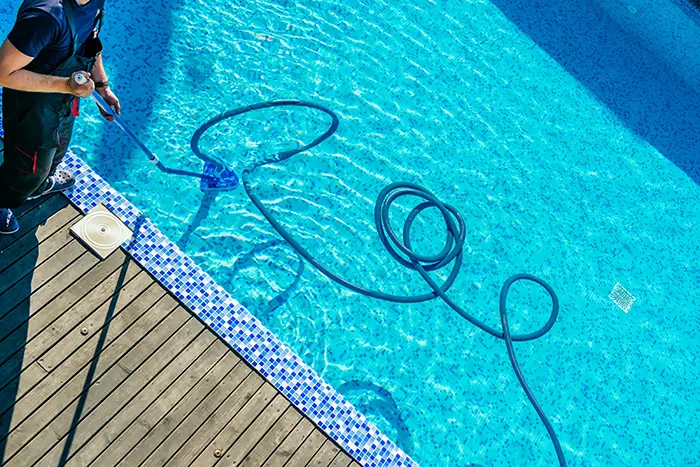
Your community pool must be regularly maintained. Proper pool maintenance is essential, especially in a hot and humid state like Florida. Having a well-kept pool helps prevent the spread of diseases and costly repairs. On top of that, you get to swim in crystal clear waters.
For pool maintenance, your board should work with a licensed pool contractor or service provider to do the following:
- Daily pH and chlorine tests
- Regular cleaning of the pool (including skimmer baskets)
- Weekly inspections of insect pumps, filters, and heaters
- Regular inspections for pool deck and tile damage or wear and tear
If your HOA fails to maintain the pool, you may be faced with unsafe swimming conditions. This can lead to resident complaints and, in the worst-case scenario, legal disputes.
Maintaining Proper Pool Equipment
Emergency equipment is a requirement for any HOA swimming pool. The board should ensure the pool area has the following:
- Life rings and reaching poles
- Stocked and up-to-date first aid kits
- An automated external defibrillator (AED), if possible
- Clear signage with emergency contact information
Regular checks are necessary to confirm that all equipment is in good working condition. Don’t wait for an emergency to find out something is missing or broken.
Enforcing Access Control and Perimeter Safety
One of the most important aspects safety in common areas, including pool and playground safety, is controlling who can enter the area. Pools need to be equipped with self-closing and self-latching gates. Having fobs, entry cards, or keypad systems can also help prevent unauthorized access to the HOA pool.
Of course, all these will need to be up to code.
Additionally, installing security cameras can be beneficial. They add an extra layer of protection, especially for pools located in quieter parts of the neighborhood.
Lifeguard or No Lifeguard?
It would be best practice for an HOA to have a lifeguard on duty. However, they have the option to hire them or operate on the principle of “swim at your own risk.”
If they decide to do the latter and go self-monitored, HOA pool rules must be clearly stated and visible. It should also be outlined among the residents’ responsibilities.
HOAs that employ lifeguards, on the other hand, must make sure the people they hire are properly certified and trained in CPR and first aid.
Conducting Safety Inspections
Routine safety inspections help catch small issues before they become major problems. Walk through the pool area regularly to check for:
- Broken tiles or deck damage
- Worn-out pool covers
- Faulty lighting
- Malfunctioning drain covers
To make inspections and monitoring easier, keep a log of all inspections and repairs. This helps document compliance with safety standards.
Preparing for Emergencies
Being prepared for worst-case scenarios is part of responsible HOA pool management. To ensure this, the HOA must hold safety drills with staff or board members at least once per season. There also needs to be procedures for:
- Handling medical emergencies
- Responding to chemical spills
- Shutting down the pool quickly if needed
Preparedness helps reduce panic during real incidents.
Teaching Pool Etiquette to Residents
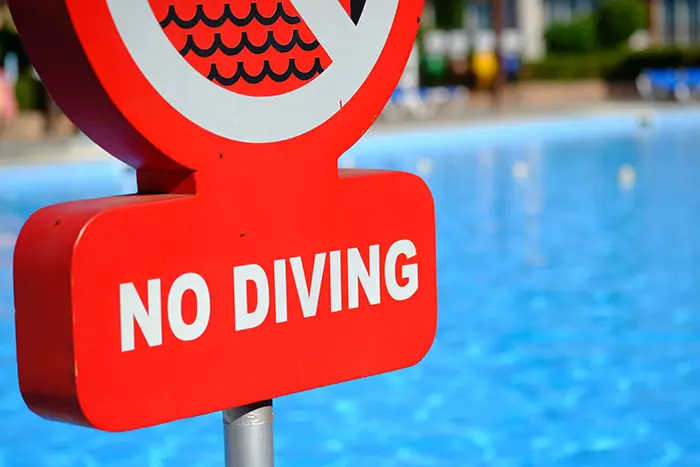
Encouraging homeowners to take responsibility for their actions at the HOA pool is one of the best ways to keep it safe. For this, your association can consider hosting a seasonal orientation session or sending out friendly reminders about pool etiquette.
For the session, you should cover topics such as:
- No roughhousing in or around the pool
- Proper disposal of trash
- Showering before swimming to reduce contamination
- Respecting pool furniture and shared spaces
These small actions make a big difference in keeping the HOA swimming pool clean and enjoyable for everyone.
Promoting Healthy Pool Habits
Health and hygiene go hand-in-hand with pool safety. Remind residents to avoid swimming when ill, especially with stomach bugs or contagious skin conditions. Provide hand sanitizing stations near the pool entrance and encourage regular breaks during busy swim times.
Additionally, establish clear policies regarding food and drink near the pool to minimize messes and prevent attracting pests.
Planning for Seasonal Maintenance
When summer winds down, it’s time to think about off-season maintenance. In Florida, many HOA pools operate year-round, but reduced use during the cooler months offers a good time to:
- Deep clean pool tiles and decks
- Schedule professional inspections of mechanical systems
- Make repairs before the next busy season
A solid maintenance plan protects the HOA’s investment and keeps the pool in great shape for years to come.
Having a Safe Summer
A community pool is one of the best amenities an HOA can offer, but it comes with responsibilities. With clear rules, proper maintenance, and a focus on safety, your HOA pool can be a summer highlight for residents of all ages.
Do you need professional support with the upkeep of your common areas? Freedom Community Management provides HOA management services in Florida. Call us at 904-490-8191 or contact us online to learn more!
Related Articles