

A board can feel stretched thin, especially when several projects hit at the same time. That is where HOA special committees can make life easier, without changing who holds the final authority. In the right setup, a small group handles the homework so the board can focus on decisions.
What Are HOA Special Committees?
In simple terms, a special committee is a temporary team formed for a specific task. Most communities use it for a single clear goal, then wrap it up once that goal is achieved. A helpful picture is a focused work group that exists for a season, not forever.
Standing committees handle ongoing work that recurs each year, such as oversight of finance or landscaping. A special committee, by contrast, is built for a single assignment that needs extra attention right now. Clear language matters here because the fastest way to create frustration is to form a committee with a vague mission.
By design, HOA special committees support the board rather than replace it. Research is conducted, options are compared, and a recommendation is prepared. The board still votes, signs contracts, and sets policy.
When a Special Committee Makes Sense

Some topics belong with a standing group. Other topics arise suddenly and require a short burst of time, energy, and follow-through. Special committees are most effective when a project has a deadline, a budget impact, or many moving parts.
A good example is a capital project that involves multiple owners, such as a roof replacement, gate upgrade, or pool renovation. Another common trigger is a one-time review, such as updating rules language, gathering vendor bids, or planning a major community event. In each case, HOA special committees keep the board from handling every detail in the middle of regular meetings.
Many boards also use a temporary team in response to an unexpected situation, such as storm damage or a sudden safety concern. With the right guardrails, the committee can gather facts quickly and bring back a clear path forward.
What HOA Special Committees Usually Work On
Most communities use special committees for practical work that benefits from teamwork and a little extra time. The goal is progress, not perfection. A short list of common assignments shows how wide the range can be:
- Capital projects and vendor bid reviews
- Amenity refreshes and improvement planning
- Community surveys and feedback collection
- Rules cleanup and document recommendations
- Social events tied to a specific season or milestone
- Problem-solving around a one-off issue, such as parking strain during construction
In many cases, the best work happens before a single vote is taken. Pricing comparisons, site walks, and basic pros and cons can be prepared outside the boardroom. That kind of prep is why HOA special committees can feel like a relief.
A Short Charter Keeps Things Calm
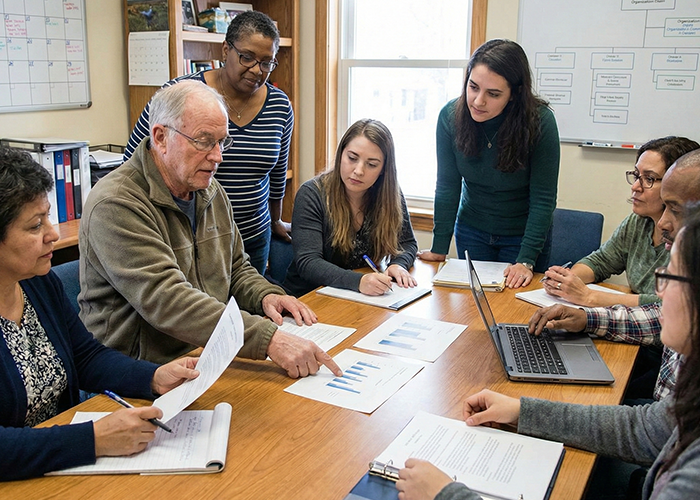
A special committee runs more smoothly when the rules are simple and written down. Most boards put those basics in a short charter or resolution. A clear scope protects everyone, including volunteers who do not want to guess what success looks like.
The charter usually spells out the purpose, the end result, and the deadline. A timeline keeps the work from stretching out for months. A reporting rhythm also helps, as the board should never be surprised at meetings.
Limits deserve just as much attention as goals. Spending authority, contract signing, and final approvals should stay with the board unless your documents say otherwise. For many associations, committees recommend, and the board decides, keeping responsibility where it belongs.
A few guardrails tend to prevent headaches:
- One chairperson as the point of contact
- A simple budget range or spending cap for quotes and research costs
- A clear rule about conflicts of interest and vendor relationships
- A requirement to bring major options back to the board before momentum becomes a commitment
Picking the Right People
The people on the committee can make or break the experience. The best committee members bring calm energy, show up consistently, and stay curious instead of defensive. Skills help, but reliability matters more.
A chair should be selected carefully. Good communication and basic organization go a long way, especially when volunteers have busy schedules. On the flip side, a strong personality with a personal agenda can pull the whole group off track.
Fairness also matters. A simple application process, a short interview, or a quick board vote keeps the selection from feeling like a private club. That extra transparency can reduce complaints later.
Reporting Back Without Confusion

A committee does not need to meet every week to be useful. For many projects, one kickoff meeting and a few short check-ins are enough. A clear agenda keeps those meetings from turning into long debates.
Notes should be kept, even if they are informal. Key decisions, next steps, and action items deserve a written record. That habit helps the board understand the work and protects volunteers if questions come up later.
Updates land best when they are consistent and brief. A short report at each board meeting, plus a simple email summary, often keeps everyone aligned. In that way, HOA special committees add momentum without adding noise.
Where Committees go Sideways
Scope creep is the classic problem. A committee starts with one task, then starts chasing side issues because they are interesting or annoying. A written scope and a firm deadline usually solve that, especially when the chair reminds the group what the board asked for.
Overlap can also cause friction. Two groups may end up calling the same vendors, gathering the same quotes, or giving conflicting advice. A quick check at the start, plus one board point person, helps prevent duplicate work.
Tension can rise when a committee feels ignored. That situation often comes from unclear authority. When the board explains how recommendations will be reviewed and final decisions made, expectations remain realistic.
Working With a Management Partner

Professional management can support the process without taking it over. Vendor lists, document templates, and meeting support can be provided so volunteers are not starting from zero. The board still sets direction, while the committee focuses on the research and legwork.
Most of all, a manager can help keep timelines realistic. Calendars, notice requirements, and contract steps can be tracked so that nothing gets missed. With that support, HOA special committees can stay focused and productive.
A Clean Finish Matters
A committee should end the same way it started: with clarity. A short final report helps the board see what was learned, what was recommended, and what still needs a decision. That wrap-up also keeps the record tidy for future boards.
After the vote, a wrap-up is worth doing. Thanks to volunteers, documents can be stored in one place, and a simple motion or board action can dissolve the committee. In that moment, owners see that HOA special committees exist to solve problems, then step aside.
Extra Help, Real Results
A well-run special committee can turn a stressful project into a manageable one. Better information reaches the board, and neighbors see progress without constant drama. With clear roles and a clean finish line, the whole community benefits.
Need professional support in establishing and handling HOA special committees? Freedom Community Management provides HOA management services in Florida. Call us at 904-490-8191 or contact us online to learn more!
Related Articles: