Why a Meeting Management Feature Is Essential for Modern HOA Operations

Board meetings are where decisions happen, trust is built, and communities move forward. For HOA boards and management teams, keeping those meetings organized and productive is not always easy. A strong meeting management feature helps bring structure, clarity, and consistency to a process that often feels overwhelming.

As communities grow and expectations rise, relying on emails, spreadsheets, or paper agendas can slow everything down. A meeting management feature gives HOAs a better way to plan, run, and document meetings without unnecessary friction.

Understanding the Meeting Management Feature in HOA Software

A meeting management feature is designed to centralize everything related to board and committee meetings. It typically covers scheduling, agendas, minutes, voting, and follow-up tasks in one shared system. Instead of chasing documents, everyone knows where to look.

This feature matters because meetings are not just formalities. They shape budgets, policies, and community standards. When meetings run smoothly, boards make better decisions and residents feel more confident in leadership.

How Meeting Management Feature Tools Improve Preparation

Preparation sets the tone for any successful meeting. With a meeting management feature, agendas can be created and shared well in advance. Board members arrive informed, which leads to focused discussions rather than confusion.

Supporting documents are stored alongside the agenda, so there is no need to dig through inboxes. Time is used more efficiently, and meetings feel purposeful instead of rushed. Over time, this consistency builds better habits across the board.

Creating Clear and Consistent Agendas

Board meeting tools

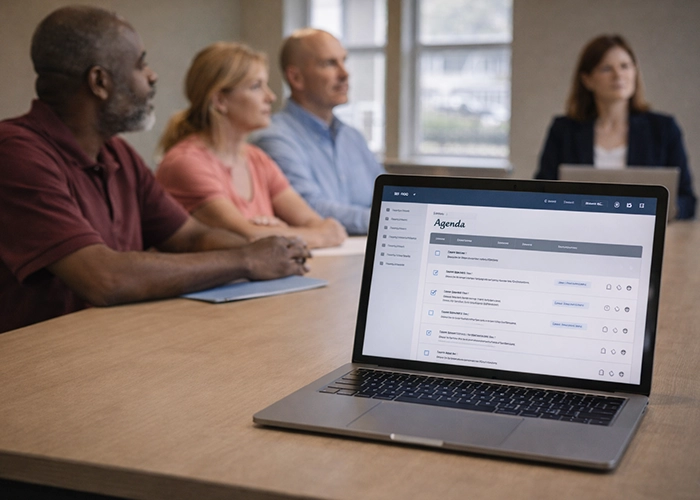
Clear agendas help meetings stay on track. A meeting management feature allows managers to reuse templates, ensuring nothing important is missed. Financial reviews, old business, and new items all have a predictable place.

This structure reduces side conversations and keeps meetings aligned with their goals. Residents who attend or review meeting records can also follow along more easily. Transparency improves when information is presented in a clear and familiar format.

Simplifying Communication Before and After Meetings

Communication often breaks down around meetings. Notices go out late, documents are missing, or follow-up actions are unclear. A meeting management feature helps prevent those issues by centralizing communication.

Automatic notifications remind board members of upcoming meetings and deadlines. After the meeting, decisions and tasks can be shared quickly. Everyone stays on the same page without extra emails or phone calls.

Improving Accuracy and Accountability With Digital Minutes

Meeting minutes software

Meeting minutes are official records, and accuracy matters. A meeting management feature supports real-time note-taking and standardized formats. Important motions, votes, and approvals are easier to capture correctly.

Once approved, minutes are stored securely and can be accessed later without searching through files. Accountability improves because decisions are clearly documented. This protects both the board and the association over time.

Supporting Better Decision-Making During Meetings

Meetings run better when information is accessible. A meeting management feature allows board members to review reports, contracts, and proposals during the meeting itself. Decisions are based on facts rather than memory.

Voting tools, when included, help record outcomes quickly and clearly. This reduces confusion and speeds up the process. Meetings feel more productive, which respects everyone’s time.

Enhancing Transparency for Homeowners
Board meeting tools

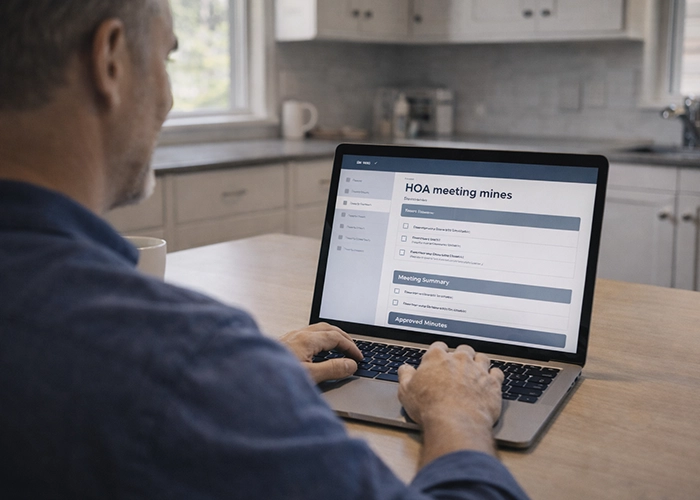
Homeowners want to know what is happening in their community. A meeting management feature helps boards share agendas, summaries, and approved minutes in a consistent way. This openness builds trust.

When residents can see how decisions are made, concerns tend to decrease. Clear communication reduces misunderstandings and rumors. Over time, transparency strengthens the relationship between the board and the community.

Supporting Compliance and Governance Requirements

HOAs must follow state laws and governing documents related to meetings. A meeting management feature helps ensure notices, records, and procedures are handled properly. Consistency reduces risk.

Digital records also make audits and reviews easier. When documentation is organized, compliance becomes less stressful. Boards can focus on leadership rather than paperwork.

Reducing Administrative Burden for Managers

Meeting minutes software

Property managers juggle many responsibilities. A meeting management feature reduces manual work by streamlining repetitive tasks. Scheduling, reminders, and documentation take less time.

This efficiency allows managers to focus on service and strategy. Burnout is reduced, and overall performance improves. Technology becomes a support system rather than another task.

Adapting to Virtual and Hybrid Meetings

Many HOAs now use virtual or hybrid meetings. A meeting management feature supports this shift by keeping everything organized regardless of format. Documents, attendance, and voting remain consistent.

This flexibility makes participation easier for board members and homeowners. Meetings become more accessible without losing structure. The association stays modern while maintaining order.

Choosing the Right Meeting Management Feature for Your HOA

Board meeting tools

Not all platforms are the same. A strong meeting management feature should be easy to use, reliable, and designed with HOA needs in mind. Training and support also matter.

Boards should look for tools that fit their size and complexity. The right solution feels intuitive rather than overwhelming. Adoption is smoother when the system works with existing processes.

Turning Meetings Into a Stronger HOA

A meeting management feature is more than a convenience. It is a practical tool that improves organization, communication, and trust within an HOA. For communities looking to operate more smoothly, it has become an essential part of modern management.

Running HOA meetings shouldn’t feel overwhelming. Freedom Community Management supports Florida communities with organized, professional HOA management. Call 904-490-8191 or contact us online to get started.

Related Articles:
Why an On-Site Manager Is Essential for Every HOA

A well-managed community thrives when residents feel supported and properties are well-maintained. An on-site manager plays a central role in ensuring both. Their presence can transform how a homeowners association operates, bringing both efficiency and peace of mind to the neighborhood.

Understanding the Role of an On-Site Manager

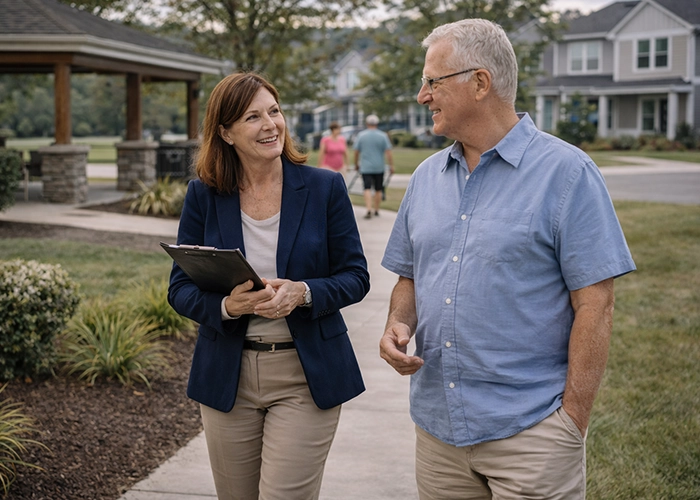
An on-site manager is more than just a point of contact,  they are the hub of community operations. They oversee daily activities, handle resident concerns, and ensure the association’s rules are applied fairly. Having someone physically present allows issues to be resolved quickly, which contributes to a smoother running community.

These professionals often coordinate maintenance schedules, supervise staff, and ensure that facilities remain in top condition. By being on-site, they can notice problems before they escalate. This proactive approach reduces long-term costs and minimizes disruptions for residents.

Moreover, an on-site manager serves as a bridge between the HOA board and the community. They provide real-time updates, gather feedback, and translate board policies into actionable steps. Without an on-site presence, communication can become delayed, leaving residents frustrated and boards overwhelmed.

Benefits of Having an On-Site Manager

HOA property manager

Having an on-site manager offers advantages that extend beyond basic administration. One of the most significant benefits is their ability to respond immediately to emergencies. Whether it’s a plumbing leak, a broken gate, or a neighborhood safety concern, immediate attention prevents minor issues from turning into costly repairs.

An on-site manager also enhances community engagement. Residents feel more connected when they have someone they can approach directly with questions or suggestions. This interaction encourages cooperation and builds a sense of trust that is essential for community cohesion.

Additionally, property values often benefit when a community is well-managed. Regular inspections, timely repairs, and consistent enforcement of guidelines create a neighborhood that looks attractive and well cared for. Prospective buyers are more likely to invest in communities with visible, hands-on management.

Skills That Make an On-Site Manager Effective

community manager

The most effective on-site managers combine organizational skills with interpersonal abilities. They must be detail-oriented, capable of managing multiple projects, and able to navigate the complexities of community living.

Strong communication skills are essential. Residents need clear explanations of policies, while board members require concise reports on operations and finances. An effective manager balances these interactions, ensuring transparency without overwhelming anyone with information.

Problem-solving is another critical skill. On-site managers must handle complaints and conflicts with tact, often mediating between residents to reach fair solutions. Their ability to remain calm under pressure can make a significant difference in community morale.

Day-to-Day Responsibilities of an On-Site Manager

HOA property manager

An on-site manager’s schedule can vary, but there are several core responsibilities they typically manage. They oversee maintenance staff, ensuring that landscaping, cleaning, and repair work meet the community’s standards. Routine inspections of common areas prevent small issues from escalating into major problems.

They also handle administrative tasks, from collecting fees and processing work orders to maintaining accurate records. These responsibilities require meticulous attention to detail, as errors can lead to financial or legal complications.

Another key responsibility is fostering positive resident relations. An on-site manager addresses questions, facilitates meetings, and often organizes community events. By creating a friendly and approachable presence, they encourage a cooperative and harmonious environment.

Why an On-Site Manager Is a Worthwhile Investment

community manager

Some HOA boards may question whether an on-site manager is necessary, especially when costs are a concern. However, the value they provide often outweighs the expense. Immediate attention to maintenance, proactive communication, and conflict resolution save time and money in the long run.

Furthermore, communities with on-site management tend to experience fewer violations, faster problem resolution, and higher resident satisfaction. These factors contribute to overall property value and a more pleasant living experience for everyone.

Investing in a skilled on-site manager is, in essence, an investment in the community’s stability and growth. The presence of a professional on-site ensures that day-to-day operations run smoothly and that long-term goals are achieved efficiently.

A Well-Managed HOA Starts With a Strong On-Site Presence

An on-site manager is the cornerstone of a well-functioning HOA, combining oversight, communication, and problem-solving into one essential role. Their presence ensures that both residents and boards experience fewer disruptions and greater satisfaction. Communities that prioritize on-site management are not just well-maintained; they are thriving, connected, and valued places to live.

Need reliable on-site support for your HOA community in Florida? Freedom Community Management provides professional HOA management services designed to keep communities running smoothly. Call us at 904-490-8191 or contact us online to learn more!

Related Articles:

Sports in HOAs: Balancing Recreation, Rules, and Community Harmony

Sports in HOAs can be a great way to bring neighbors together, encourage healthy lifestyles, and make shared spaces feel more alive. At the same time, these activities can create challenges when expectations are unclear or rules are not consistently applied. Finding the right balance is key for boards and residents alike.

Understanding Sports in HOAs and Why They Matter

Sports in HOAs often reflect the character of the community itself. A neighborhood with families may naturally see more pickup games, youth practices, and casual recreation in common areas. These activities can help residents connect and foster a sense of belonging that goes beyond property lines.

At their best, recreational sports support wellness and social interaction. When neighbors know each other, communication improves and conflicts tend to be easier to resolve. This is one reason many HOA boards recognize the value of allowing reasonable sports activities within the community.

Problems usually arise when expectations are not clearly defined. Without guidance, residents may disagree on what activities are appropriate, where they should take place, and how often shared spaces can be used.

Common Types of Sports Activities in HOA Communities

HOA recreation

The types of sports seen in HOA communities vary widely based on location, amenities, and demographics. Some associations are built around active lifestyles, while others prioritize quiet enjoyment of common areas.

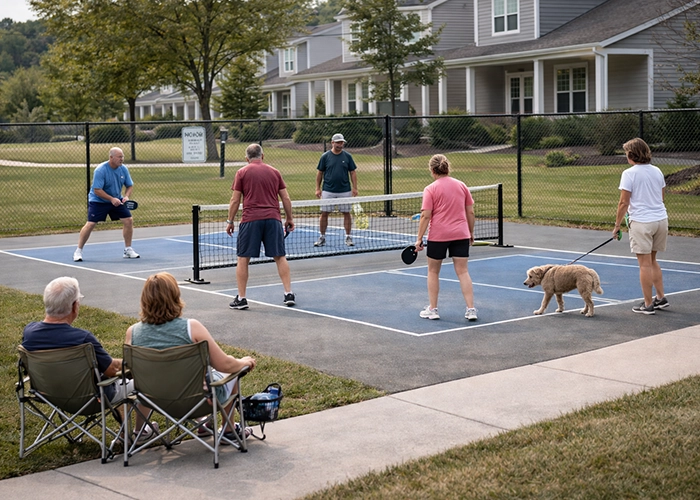
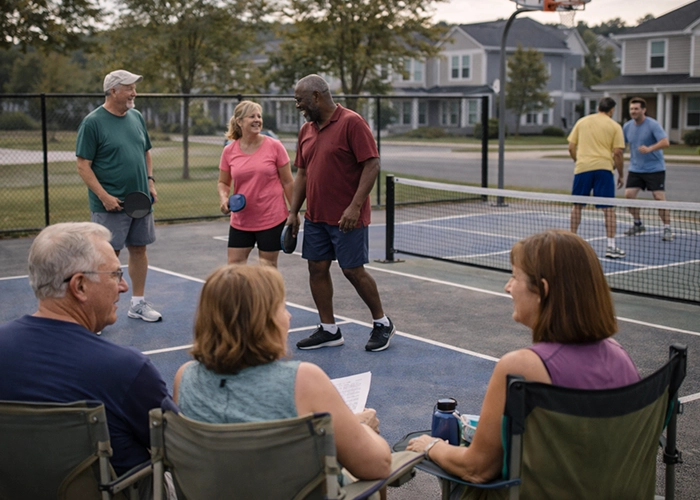
In many communities, informal sports like basketball, soccer, pickleball, and tennis are the most common. These activities often take place on existing courts, streets, or open green spaces. Swimming is also popular in associations with pool amenities, especially during warmer months.

More structured activities can develop over time. Community leagues, fitness classes, or seasonal tournaments are sometimes organized by residents or supported by the board. When planned thoughtfully, these programs can strengthen engagement without disrupting daily life.

How Governing Documents Shape Sports in HOAs

Every HOA approaches sports differently, and much of that guidance comes from its governing documents. The declaration, bylaws, and rules and regulations typically outline how common areas may be used. These documents are the first place boards should look when questions arise.

Some associations include specific language about sports equipment, hours of use, or noise restrictions. Others rely on broader provisions related to nuisance behavior or safety. In either case, interpretation matters, and consistency is critical.

Boards that regularly review and update their rules are often better equipped to manage recreational issues. Clear language reduces confusion and helps residents understand what is allowed before problems develop.

Balancing Recreation and Resident Concerns

HOA sports rules

Allowing sports in HOAs requires a careful balance between recreation and the rights of all residents. Noise, safety, and property damage are the most common concerns raised by homeowners. These issues tend to escalate when people feel their concerns are being ignored.

Timing is one area where balance can often be achieved. Reasonable hours for sports activities help protect quiet enjoyment while still allowing ample time for recreation. Location also matters, especially when activities occur near homes or limited parking areas.

Open communication plays a major role here. When residents understand why certain rules exist, they are more likely to follow them. Boards that listen and respond thoughtfully tend to earn more cooperation over time.

Safety and Liability Considerations for HOAs

Safety should always be part of the conversation around sports in HOAs. Common areas are shared spaces, and injuries can happen if activities are not properly managed. This is especially true when children and guests are involved.

HOAs are often responsible for maintaining amenities used for sports. Courts, fields, and playgrounds should be inspected regularly to reduce hazards. When equipment is provided, it should meet basic safety standards and be well maintained.

Liability concerns are sometimes overlooked until an incident occurs. Many associations rely on waivers, posted rules, and adequate insurance coverage to reduce risk. Professional guidance can help boards understand their responsibilities without becoming overly restrictive.

The Role of HOA Boards and Management Companies

HOA amenities usage

HOA boards are responsible for setting expectations and enforcing rules related to sports activities. This role requires fairness, patience, and a willingness to adapt as the community evolves. What worked years ago may not fit current needs.

Management companies often provide valuable support in this area. They help interpret governing documents, communicate with residents, and document issues when conflicts arise. Their experience with similar communities can also offer practical insight.

Consistency is essential. When rules are enforced unevenly, frustration grows and trust declines. Clear procedures help boards address concerns before they become larger disputes.

Creating Clear and Reasonable Sports Policies

Well written policies can prevent many of the common conflicts related to sports in HOAs. These policies should focus on behavior rather than targeting specific groups or activities. Flexibility allows boards to address new trends without constant revisions.

Policies often address noise levels, time restrictions, equipment storage, and use of common areas. They may also clarify whether streets can be used for play and under what conditions. Simple language makes these rules easier to understand and follow.

Resident input can be valuable during policy development. When homeowners feel included in the process, they are more likely to respect the outcome. This collaborative approach often leads to better long term compliance.

Encouraging Positive Community Engagement Through Sports

HOA recreation

When managed well, sports can be a powerful tool for community building. Organized events, casual leagues, or wellness programs give residents a shared experience. These activities can improve communication and reduce the sense of isolation some homeowners feel.

Boards that support positive engagement often see fewer complaints overall. Residents who feel connected to their community are more willing to compromise and resolve issues respectfully. This can ease the workload for boards and managers alike.

Even small efforts can make a difference. Clear signage, shared calendars, or designated recreation times help set expectations and reduce friction.

Adapting to Changing Trends in HOA Recreation

Recreational trends continue to change, and HOAs are no exception. Pickleball, outdoor fitness classes, and multi use courts have become more common in recent years. These shifts can create excitement as well as tension.

Boards that stay informed are better prepared to respond. Monitoring resident feedback and usage patterns helps identify when adjustments are needed. Sometimes a small rule change or schedule update can resolve ongoing issues.

Flexibility does not mean abandoning standards. It means recognizing that communities evolve and that rules should support, not hinder, healthy interaction.

Keeping Sports a Positive Part of Community Life

Sports in HOAs can enrich community life when they are managed with care and clarity. By setting clear expectations, prioritizing safety, and encouraging open communication, associations can support recreation while respecting all residents. With thoughtful oversight, sports can remain a positive and unifying part of HOA living.

Related Articles: