Fire Hydrants in HOA Communities: Maintenance, Compliance, and Safety Best Practices

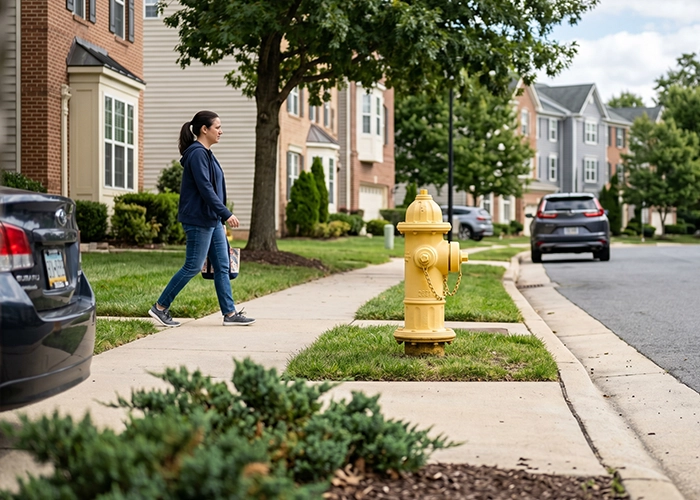
Fire hydrants HOA communities rely on are often overlooked until an emergency happens. These systems play a direct role in protecting homes, property, and lives, which makes proper planning and maintenance essential.


Why Fire Hydrants HOA Communities Depend on Matter

Fire hydrants HOA communities maintain are not just part of the landscape. They are a critical part of the community’s fire protection system and often serve as the first line of defense in an emergency.

When a fire breaks out, response time matters. Firefighters depend on hydrants that are easy to locate, fully operational, and properly maintained. If a hydrant is blocked or not working, it can delay response efforts and increase damage.

For HOA boards, this responsibility goes beyond appearance. It connects directly to safety, liability, and compliance with local fire codes. Communities that stay proactive reduce risk and show a clear commitment to resident well-being.

Understanding Ownership and Responsibility
fire hydrant maintenance HOA

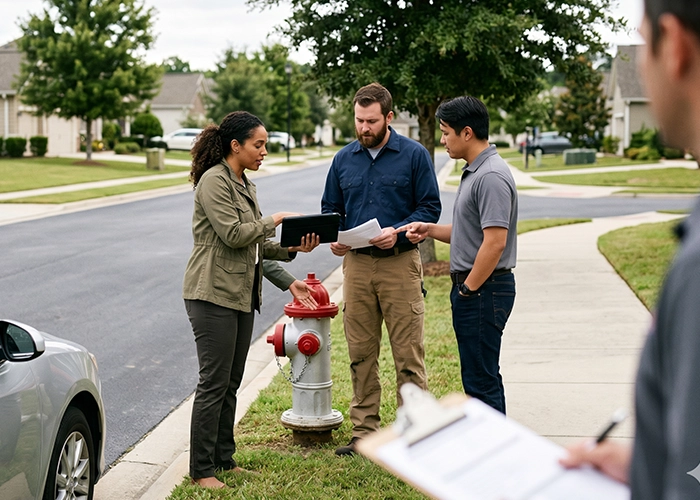
One of the most common areas of confusion is who actually owns and maintains the hydrants within a community. The answer can vary depending on the development and local regulations.

In some communities, hydrants are owned and maintained by the municipality. In others, especially private developments, the HOA may be responsible for inspections, repairs, and ongoing upkeep.

To avoid confusion, boards should:

  • Review governing documents and plats
  • Confirm responsibility with the local water authority
  • Understand maintenance obligations outlined by local fire codes

Clarifying ownership early helps prevent gaps in maintenance and ensures accountability is clear.

Key Components of a Fire Hydrant System

While hydrants may look simple, they are part of a larger system that includes underground piping, valves, and water supply connections. Each piece plays a role in ensuring the hydrant functions properly when needed.

A typical hydrant system includes:

  1. Main Valve Assembly
    Controls water flow from the underground main line. If this fails, the hydrant becomes unusable.
  2. Barrel and Outlet Nozzles
    These are the visible parts firefighters connect to. They must remain clean and unobstructed.
  3. Drain Valve System
    Prevents water from freezing inside the hydrant after use. This is especially important in colder climates.
  4. Water Supply Line
    Connects the hydrant to the community’s water system. Pressure and flow must meet local standards.

Each component requires periodic checks to ensure reliability during emergencies.

Routine Maintenance Requirements
fire hydrant maintenance HOA

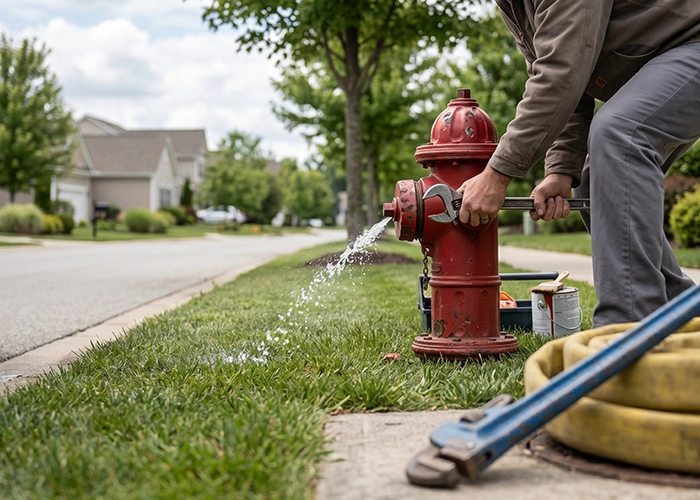
Routine maintenance is not optional. It is a necessary part of keeping hydrants ready for use at any time.

Most communities follow a maintenance schedule that includes inspections, testing, and servicing. While requirements vary by location, there are common practices most HOAs should follow.

Typical maintenance tasks include:

  • Visual Inspections
    Checking for damage, leaks, rust, or obstructions around the hydrant.
  • Flow Testing
    Ensuring water pressure and flow meet required standards.
  • Lubrication and Operation Checks
    Verifying that caps and valves open and close smoothly.
  • Painting and Marking
    Keeping hydrants visible and color-coded according to local guidelines.
  • Clearing Surrounding Area
    Maintaining at least a 3-foot clearance around each hydrant.

Consistent maintenance reduces the risk of failure and helps communities stay compliant with local regulations.

Inspection Schedules and Compliance

Most jurisdictions require regular inspections of fire hydrants. These inspections may be conducted annually or semi-annually depending on local codes.

During inspections, professionals evaluate:

  • Water pressure and flow rate
  • Mechanical condition of valves and caps
  • Accessibility and visibility
  • Signs of leaks or corrosion

Documentation is just as important as the inspection itself. Records should be maintained and readily available in case of audits or emergencies.

Failure to comply with inspection requirements can lead to fines or increased liability. It can also impact insurance coverage, which makes compliance even more important.

Common Issues Found in HOA Communities
fire hydrant maintenance HOA

Even well-managed communities can run into problems with fire hydrants. These issues are often preventable with proper planning and routine oversight.

Some of the most common issues include:

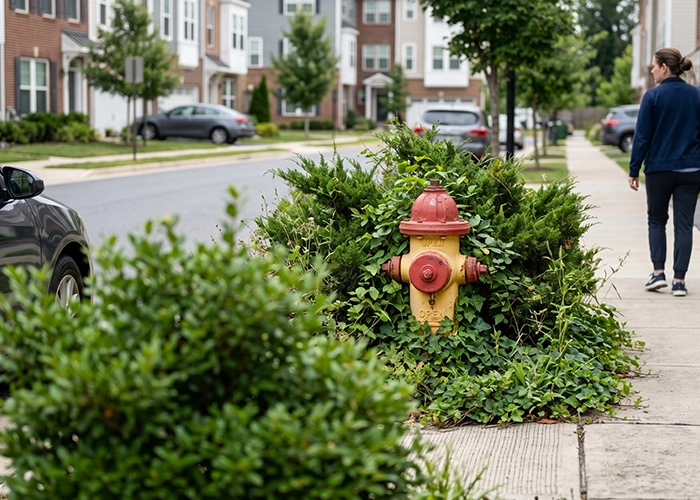
  • Blocked Hydrants
    Landscaping, parked vehicles, or debris can restrict access.
  • Corrosion or Rust
    Over time, exposure to weather can weaken components.
  • Low Water Pressure
    This can result from issues within the water supply system.
  • Damaged Caps or Valves
    These can make the hydrant difficult or impossible to use.
  • Poor Visibility
    Faded paint or overgrown vegetation can make hydrants hard to locate.

Addressing these issues early helps prevent larger problems during an emergency.

Best Practices for HOA Boards

HOA boards play a central role in ensuring hydrants remain functional and compliant. While vendors often handle inspections and maintenance, oversight still falls on the board.

To stay on track, boards should consider the following best practices:

  1. Partner With Qualified Vendors
    Work with licensed professionals who specialize in fire protection systems.
  2. Create a Maintenance Calendar
    Schedule inspections and servicing well in advance to avoid missed deadlines.
  3. Maintain Accurate Records
    Keep documentation of all inspections, repairs, and tests.
  4. Conduct Periodic Walkthroughs
    Visual checks between formal inspections can catch issues early.
  5. Educate Residents
    Inform residents about keeping hydrants clear and accessible.

These steps help create a consistent approach to hydrant management.

Budgeting for Fire Hydrant Maintenance

fire hydrant maintenance HOA

Maintenance costs can vary depending on the size of the community and the number of hydrants. Planning ahead helps avoid unexpected expenses and ensures funds are available when needed.

Common cost considerations include:

  • Routine inspections and testing
  • Repairs or part replacements
  • Painting and visibility improvements
  • Emergency repairs

HOAs should include these costs in their annual budget and reserve planning. It is better to plan for maintenance than to deal with costly repairs after a failure.

The Role of Local Fire Departments

Local fire departments are valuable partners in maintaining hydrant readiness. Many departments offer guidance on placement, accessibility, and maintenance standards.

In some cases, fire departments may also:

  • Conduct inspections or flow tests
  • Provide recommendations for improvements
  • Assist with emergency planning

Building a relationship with the local fire department helps ensure the community is aligned with safety expectations.

Legal and Liability Considerations

fire hydrant maintenance HOA

Fire hydrants HOA communities manage can carry legal implications if they are not properly maintained. If a hydrant fails during an emergency and contributes to property damage, the association may face liability.

Insurance providers may also review maintenance records when evaluating claims. A lack of documentation can complicate coverage and increase risk.

To reduce liability, boards should:

  • Follow local codes and regulations
  • Maintain consistent inspection records
  • Address issues promptly
  • Work with qualified professionals

Taking these steps demonstrates due diligence and helps protect the association.

Seasonal Considerations for Hydrant Care

Different seasons bring different challenges for hydrant maintenance. Planning for these changes helps keep systems in working condition year-round.

In colder regions, freezing temperatures can damage hydrants if they are not properly drained. In warmer climates, vegetation growth can block access or visibility.

Seasonal tasks may include:

  • Clearing snow or ice during winter
  • Trimming vegetation during spring and summer
  • Checking for heat-related wear in warmer months

Adjusting maintenance practices based on the season helps prevent avoidable issues.

Planning for Emergency Readiness

Maintenance alone is not enough. Communities should also think about how hydrants fit into their broader emergency preparedness plans.

This includes ensuring that:

  • Hydrant locations are clearly mapped
  • Emergency access routes remain open
  • Residents understand basic safety protocols

Working these elements into a larger safety plan helps create a more prepared community.

Keeping Safety at the Center of Community Planning

Fire hydrants HOA communities depend on are a quiet but essential part of everyday safety. When properly maintained, they provide peace of mind and support faster emergency response.

Want to make sure your community is fully prepared and compliant? Contact us today  to review your community’s maintenance strategy and close any gaps before they become risks.


Related Articles:
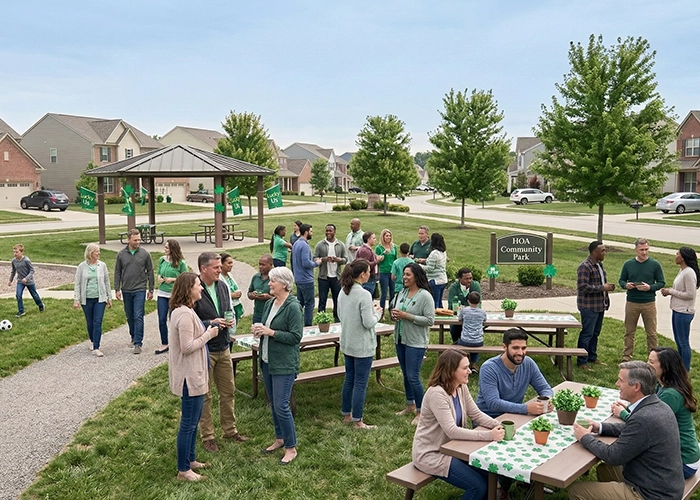
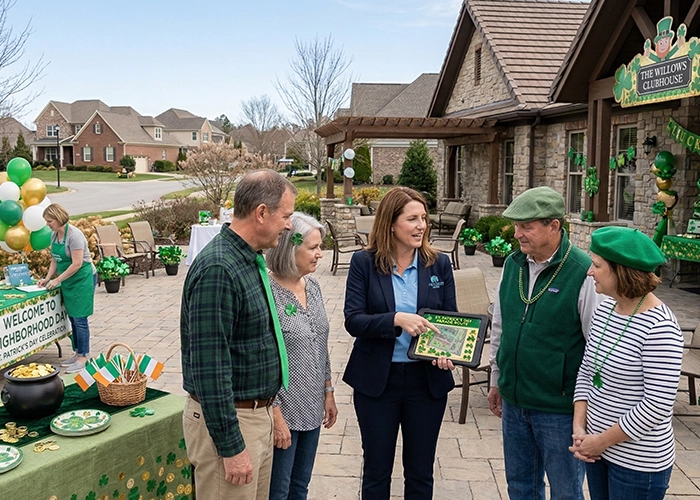
St. Patrick’s Day in HOA Communities: Fun and Responsible Ways to Celebrate Together

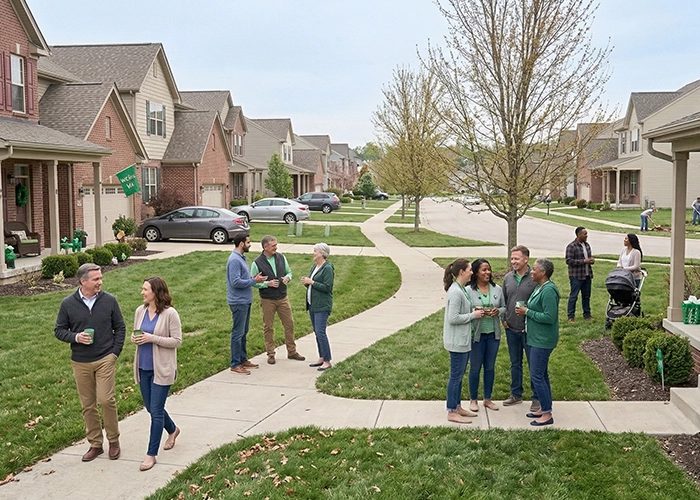
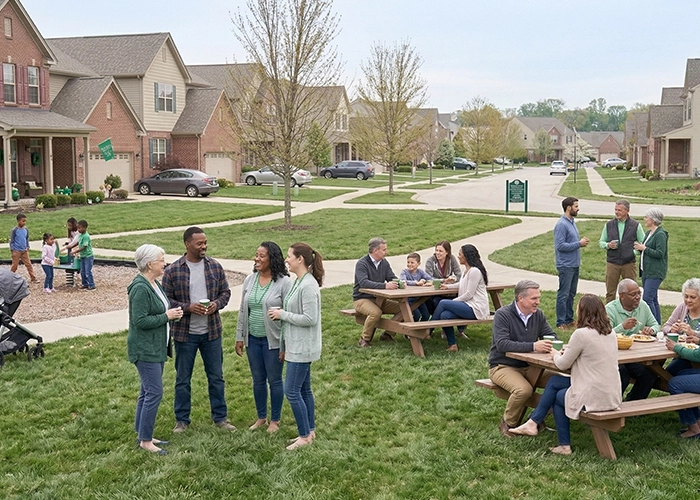
St. Patrick’s Day is known for bright green decorations, cheerful gatherings, and a spirit of celebration that spreads across neighborhoods throughout the United States. In many HOA communities, this holiday offers the perfect opportunity for neighbors to connect and enjoy time together.

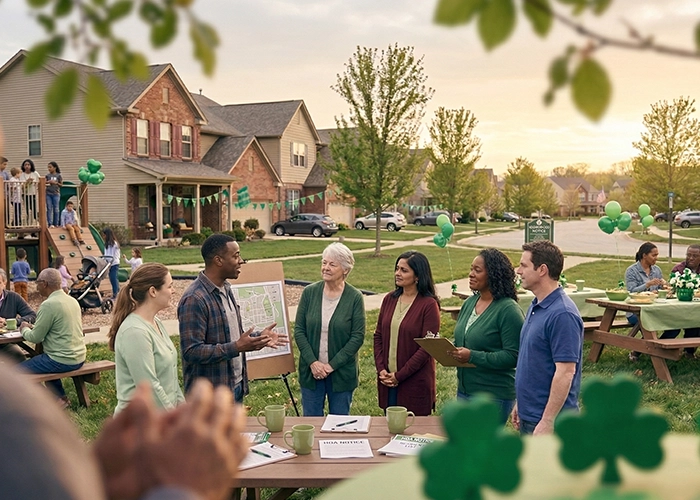
With a little planning, associations can turn St. Patrick’s Day into a memorable community event while still maintaining harmony and respect within the neighborhood.

Why St. Patrick’s Day Brings Communities Together

St. Patrick’s Day Community Events

St. Patrick’s Day has grown into a widely celebrated cultural holiday across the country. What began as a religious feast honoring Ireland’s patron saint has evolved into a day filled with traditions, food, music, and social gatherings.

In residential communities, holidays like this naturally encourage neighborly interaction. People step outside, decorate their homes, and attend local events that create a shared sense of celebration.

HOA communities are uniquely positioned to support these moments. When associations encourage responsible celebrations, they help residents build stronger relationships with the people living around them.

The History Behind St. Patrick’s Day

Understanding the background of St. Patrick’s Day adds meaning to the celebration. The holiday honors Saint Patrick, a missionary who is credited with bringing Christianity to Ireland during the fifth century.

Over time, Irish immigrants carried their traditions to the United States. Cities with large Irish populations began hosting parades and festivals that showcased Irish heritage and culture.

Today, the holiday is celebrated by millions of Americans regardless of heritage. Green clothing, shamrocks, and festive gatherings have become symbols of the day, making it one of the most recognizable celebrations in the country.

Community Benefits of Celebrating Holidays Together

St. Patrick’s Day Community Events

When residents come together for shared events, the atmosphere of the neighborhood changes. People who might otherwise remain strangers often discover common interests and friendships.

Community celebrations provide several meaningful benefits:

  1. Stronger Neighbor Relationships
    Casual conversations during events help residents become more familiar with one another.
  2. Increased Community Pride
    When homeowners participate in shared activities, they often develop a stronger sense of belonging.
  3. Better Communication Within the Community
    Social events create natural opportunities for residents to interact with board members and property managers.
  4. A More Welcoming Neighborhood Environment
    Visitors and new homeowners tend to notice when a community feels active and connected.

Even small celebrations can have a lasting effect on the overall atmosphere of the neighborhood.

Decorating Homes and Common Areas for St. Patrick’s Day

Decorations are often the easiest way to bring a festive mood to the community. Many homeowners enjoy adding seasonal touches to their front porches, lawns, or entryways.

Associations may also decorate shared spaces such as clubhouses, community entrances, or neighborhood signs. A few simple green accents or shamrock displays can make the neighborhood feel lively without requiring a large budget.

Before encouraging decorations, it is wise for boards to review community guidelines. This ensures that seasonal displays remain tasteful and temporary while still allowing residents to enjoy the holiday spirit.

Planning Family Friendly St. Patrick’s Day Events

St. Patrick’s Day Community Events

HOA communities often host events that allow neighbors to gather in a relaxed environment. St. Patrick’s Day provides a fun theme that can work for residents of all ages.

Popular community event ideas include:

  • Neighborhood potluck with Irish inspired dishes
  • Community picnic or cookout
  • St. Patrick’s Day craft activities for children
  • Small neighborhood parade or golf cart parade
  • Outdoor movie night featuring family friendly films

Events do not need to be large or elaborate. Even a simple gathering at the clubhouse or common green space can create meaningful interaction among neighbors.

When planning events, associations should keep safety and accessibility in mind. Clear communication about schedules, parking, and guidelines helps ensure everyone enjoys the celebration.

Encouraging Participation From Residents

One challenge many communities face is encouraging homeowners to take part in events. Busy schedules and personal commitments can make participation difficult.

Associations can improve attendance by promoting events in several ways:

  • Announcements through community newsletters
  • Email reminders sent a few weeks in advance
  • Posts on community portals or social media groups
  • Flyers placed at community entrances or mail kiosks

It also helps when events are simple and welcoming. Residents often feel more comfortable attending gatherings that focus on casual conversation rather than structured activities.

The goal is not perfection. It is simply creating an opportunity for neighbors to spend time together.

Maintaining HOA Guidelines During Holiday Celebrations

St. Patrick’s Day Community Events

While celebrations are encouraged, it is still important for communities to follow established rules. HOA boards must balance festive activities with the responsibility of maintaining order and safety.

Certain guidelines may apply during holiday gatherings:

  1. Noise Regulations
    Events should follow community quiet hours to avoid disturbing nearby homes.
  2. Parking Management
    Visitors should park in approved areas to prevent congestion.
  3. Alcohol Policies
    If alcohol is served during events, associations should follow local laws and community rules.
  4. Common Area Usage
    Shared spaces should be cleaned and restored after gatherings.

By communicating these expectations early, boards help prevent misunderstandings while still supporting community fun.

Creating Lasting Traditions in Your HOA

Over time, seasonal celebrations can grow into cherished community traditions. Residents begin to look forward to familiar events each year, and new homeowners quickly become part of the culture.

Traditions also help strengthen community identity. A neighborhood known for friendly gatherings and welcoming events often experiences higher resident satisfaction.

Board members may find that once a tradition is established, volunteers naturally step forward to help organize future celebrations. This shared involvement reduces the burden on any single group while encouraging broader participation

The Role of HOA Management in Community Events

St. Patrick’s Day Community Events

Professional HOA management companies often assist boards in coordinating community activities. Managers can help with event planning, communication, and vendor coordination when necessary.

Their experience can be especially helpful when managing larger gatherings. From scheduling common area reservations to sending reminders to residents, management teams help keep events organized and enjoyable.

When boards and management companies work together, community celebrations often run more smoothly.

Celebrating St. Patrick’s Day With Community Spirit

St. Patrick’s Day offers more than festive decorations and themed events. It creates a chance for neighbors to slow down, share conversations, and strengthen the sense of community within their neighborhood.

With thoughtful planning and open communication, HOA communities can turn this holiday into a welcoming tradition that residents look forward to year after year.

If your HOA is looking for guidance on community engagement and neighborhood management.  Freedom Community Management can help bring residents together while keeping operations running smoothly.

Related Articles

HOA Software Features: Must-Have Tools

Managing a community association today involves far more than collecting dues and scheduling meetings. The right HOA software features help boards and managers stay organized, communicate clearly, and handle finances with confidence.

When the right tools are in place, everyday operations become easier for both board members and homeowners. Good software removes unnecessary stress and allows the community to run smoothly.

HOA Software Features That Simplify Everyday Community Management

The most valuable HOA software features are the ones that quietly remove friction from daily operations. Community associations manage a wide range of responsibilities, and the right platform helps bring those moving parts together in one place.

Without the right tools, board members often rely on spreadsheets, long email chains, and manual processes that waste time. These methods might work for small communities at first, but they often become difficult to maintain as the association grows.

A modern HOA management platform provides structure. It allows board members, property managers, and homeowners to access important information quickly while reducing the risk of errors or miscommunication.

Online Payment Processing for HOA Dues

HOA Management Software

Collecting assessments is one of the most critical responsibilities for any association. Reliable payment tools allow homeowners to pay their dues online using secure and convenient methods.

When digital payment options are available, residents are more likely to pay on time. Many systems also allow homeowners to set up automatic payments, which reduces the number of late accounts and reminders that board members must manage.

Online payments also simplify accounting for the association. Transactions are recorded automatically, and financial reports can be generated without manually tracking every payment.

Financial Management and Accounting Tools

Financial transparency is essential for any homeowners association. Software with built-in accounting tools helps maintain accurate records while giving board members a clear view of the community’s financial health.

Key financial features typically include:

  • Budget creation and tracking
  • Automated assessment billing
  • Expense tracking and categorization
  • Financial reports for board meetings
  • Delinquency tracking and reminders

These tools allow board members to review financial data quickly without needing advanced accounting knowledge. The association stays organized while maintaining clear documentation for audits or financial reviews.

Homeowner and Board Communication Tools

HOA Management Software

Communication problems often cause frustration within HOA communities. Many misunderstandings occur simply because residents do not receive information in a clear or timely way.

Modern HOA platforms solve this issue by offering built-in communication tools. Messages can be sent through email, community portals, or mobile apps, allowing residents to stay informed about updates and announcements.

Helpful communication features often include:

  • Community announcements
  • Email notifications
  • Document sharing
  • Event reminders
  • Community discussion boards

These tools help reduce confusion while building stronger relationships between homeowners and the board.

Document Storage and Secure Record Keeping

Associations handle a large number of documents. Governing documents, financial reports, meeting minutes, and vendor contracts must all be stored safely and remain easy to access.

Digital document storage is one of the most valuable HOA software features. Instead of searching through physical files or old email threads, board members can locate important records in seconds.

Homeowners also benefit from this feature. Many systems allow residents to access documents like CC&Rs, bylaws, and community rules directly through the portal.

This level of transparency builds trust while ensuring everyone has access to the same information.

Maintenance Requests and Work Order Tracking

HOA Management Software

Maintenance is a constant part of community management. Whether it involves landscaping, repairs, or common area upkeep, requests must be handled efficiently.

HOA software often includes tools that allow homeowners to submit maintenance requests directly through the system. These requests are then tracked until the issue is resolved.

Typical maintenance tools include:

  • Online service request forms
  • Work order tracking
  • Vendor assignment and updates
  • Status notifications for residents

When maintenance tasks are tracked digitally, nothing falls through the cracks. Residents receive updates, and managers can monitor progress without juggling multiple communication channels.

Community Calendar and Event Management

Community events and meetings play an important role in keeping residents engaged. A shared calendar helps ensure everyone knows when important activities are scheduled.

Many HOA platforms include a built-in calendar that displays upcoming meetings, maintenance schedules, and social events. Residents can view the calendar through the community portal or receive reminders.

This feature encourages participation while reducing the number of emails or notices that board members must send manually.

Violation Tracking and Compliance Management

HOA Management Software

Enforcing community rules can be a sensitive responsibility. Clear documentation helps ensure that the process remains fair and consistent.

HOA software often includes compliance tools that track violations, send notices, and document communication with homeowners. This organized system protects the association while maintaining transparency.

Common compliance tools include:

  • Violation reporting and tracking
  • Automated warning notices
  • Documentation of communication
  • Status updates on enforcement actions

By keeping everything documented in one system, boards can address issues confidently while avoiding confusion or disputes.

Resident Portals for Community Access

One of the most appreciated HOA software features is the resident portal. This online space allows homeowners to access important community information whenever they need it.

Instead of contacting the board for simple questions, residents can log in and find answers on their own. This reduces administrative workload while giving homeowners a sense of involvement in their community.

Resident portals often provide access to:

  • Account balances and payment history
  • Community documents
  • Maintenance request forms
  • Announcements and updates
  • Community calendars

When residents can access information easily, communication improves and frustrations tend to decrease.

Reporting and Data Insights for Board Decisions

HOA Management Software

Board members often need reliable information when making decisions about budgets, projects, and policies. HOA software helps provide this insight through built-in reporting tools.

These reports allow leaders to review financial trends, track delinquency rates, and monitor maintenance costs. With accurate data available, board members can plan for the future more effectively.

Clear reporting also improves transparency during board meetings and annual community updates.

Choosing the Right HOA Software for Your Community

Not every HOA has the same needs. Smaller communities may only require basic tools, while larger associations often benefit from more advanced features and automation.

When evaluating software options, boards should consider the following factors:

  1. Ease of use for both board members and residents
  2. Financial management capabilities
  3. Communication and document sharing tools
  4. Security and data protection
  5. Customer support and training resources

The goal is to choose a system that simplifies operations rather than adding complexity.

The Bottom Line on HOA Software Features

Technology has transformed the way community associations operate. The right HOA software features allow boards to stay organized, improve communication, and manage finances with greater accuracy.

When communities invest in the right tools, board members spend less time on administrative tasks and more time focusing on what truly matters: maintaining a thriving neighborhood.

If your association wants to streamline operations and improve communication, partnering with Freedom Community Management can make all the difference.

Related Articles

Self Managed HOA vs HOA Management: Which Is Better?

Choosing between a self managed HOA vs HOA management approach is one of the most important decisions a community association can make. The choice affects how smoothly the neighborhood operates, how finances are handled, and how well residents are supported.

Some communities prefer to manage everything internally, while others rely on professional guidance. Understanding how each option works will help board members make a thoughtful and informed decision.

Understanding Self Managed HOA vs HOA Management

When communities explore the question of self managed HOA vs HOA management, they are really deciding how their association will be operated on a daily basis. Both options can work well, but they require different levels of time, expertise, and structure.

A self managed HOA operates without a professional management company. Instead, volunteer board members and sometimes homeowners handle administrative tasks, finances, and community maintenance coordination. This approach gives the board direct control over decisions and operations.

On the other hand, HOA management companies are professional organizations that assist associations with daily operations. These companies typically provide administrative support, financial management, vendor coordination, and compliance guidance. Their goal is to help boards run the community more efficiently while reducing the workload placed on volunteers.

Neither approach is automatically better than the other. The best choice depends on the size of the community, the experience of the board, and the amount of time available for managing association responsibilities.

What It Means to Run a Self Managed HOA

Professional HOA management company

A self managed HOA places the responsibility of running the association entirely on the board of directors. Board members take on duties that might otherwise be handled by professionals.

In smaller communities, this arrangement can work well. Many homeowners enjoy being closely involved in decisions that affect their neighborhood. With a dedicated board and cooperative residents, self management can foster a strong sense of community.

However, board members must be prepared to handle a wide range of responsibilities. These often include:

  • Collecting dues and managing budgets
  • Enforcing community rules and policies
  • Coordinating repairs and maintenance
  • Responding to homeowner questions or disputes
  • Maintaining records and legal documents

While these tasks may seem manageable at first, they can become more complex as the community grows. Financial reporting requirements, vendor contracts, and legal compliance often demand careful attention.

For volunteer board members who already have careers and family obligations, managing these responsibilities can sometimes feel overwhelming.

The Role of a Professional HOA Management Company

Professional HOA management company

A professional HOA management company supports the board by handling many of the administrative and operational tasks required to run the association. The board still makes the decisions, but the management team provides the structure and expertise needed to carry them out.

Management companies typically offer a wide range of services that help keep communities organized and functioning smoothly.

Common services often include:

  • Financial management and accounting
    Budget preparation, financial reporting, and collection of association dues.
  • Vendor coordination
    Scheduling landscaping, maintenance, and repair services.
  • Administrative support
    Record keeping, meeting preparation, and document management.
  • Homeowner communication
    Responding to questions and providing updates to residents.
  • Compliance guidance
    Helping the board follow governing documents and applicable laws.

Because these companies specialize in community management, they often bring valuable experience to the table. They understand industry standards and can help boards avoid common mistakes.

This support allows board members to focus on long-term planning rather than day-to-day administrative work.

Advantages of a Self Managed HOA

Professional HOA management company

Self management can offer several benefits, especially for smaller associations with limited budgets. Many communities appreciate the sense of independence that comes with managing their own operations.

Some of the most common advantages include:

Lower Operating Costs

Professional management services require a monthly fee. Communities that manage themselves can avoid this expense and allocate funds toward maintenance projects or reserves.

For small neighborhoods with simple operations, the financial savings may be significant.

Greater Control Over Decisions

Self managed associations often feel they have more direct control over policies and priorities. Board members can respond quickly to issues without coordinating with an outside company.

This approach can work particularly well when the board is highly organized and engaged.

Strong Community Involvement

When homeowners participate in the management of their neighborhood, it often encourages stronger connections between residents.

People tend to feel more invested in their community when they contribute to its operations.

Challenges of Self Management

Professional HOA management company

Although self management can work well in certain situations, it also comes with challenges that boards must consider carefully.

Limited Expertise

Volunteer board members may not have experience with accounting, legal compliance, or property management. Without proper knowledge, mistakes can occur that create financial or legal risks for the association.

For example, incorrect financial reporting or poorly written vendor contracts can lead to serious complications.

Time Demands on Volunteers

Managing a community requires consistent effort throughout the year. Board members may need to respond to homeowner concerns, coordinate maintenance projects, and review financial reports regularly.

Over time, these responsibilities can place a heavy burden on volunteers.

Potential for Conflict

When neighbors manage their own community, disputes can sometimes become personal. Enforcement of rules or financial decisions may create tension among residents.

Professional management companies often help maintain a neutral and professional approach to these situations.

Benefits of Hiring a Professional HOA Management Company

Professional HOA management company

Professional management companies bring structure and experience that many associations find extremely valuable. Their involvement can transform how efficiently a community operates.

Professional Expertise

Management professionals understand the complexities of running a community association. They often have experience with financial reporting, legal requirements, and vendor negotiations.

This expertise helps protect the association from costly mistakes.

Improved Efficiency

A management company typically has established systems for handling administrative tasks. These processes streamline communication, financial tracking, and maintenance coordination.

As a result, operations often become more organized and predictable.

Reduced Workload for Board Members

One of the biggest advantages of professional management is the relief it provides to volunteer board members.

Instead of handling every detail themselves, board members can focus on strategic decisions that shape the future of the community.

Situations Where Self Management Works Best

Self management tends to work best in communities that meet certain conditions. When these factors are present, associations may find it easier to operate without professional assistance.

Self management often succeeds when:

  • The community is small, typically fewer than 25 to 30 homes
  • The board includes members with relevant professional experience
  • Maintenance needs are relatively simple
  • Homeowners are actively involved and cooperative

In these situations, the workload may remain manageable for volunteer leaders.

However, as communities grow or operations become more complex, boards may begin to reconsider whether professional management would provide better support.

When an HOA Management Company Is the Better Option

Many associations eventually decide that professional management offers the stability and expertise they need.

Certain circumstances make professional management particularly beneficial.

Larger Communities

Associations with hundreds of homes often face complex operational demands. Managing finances, maintenance, and communication for a large population requires consistent oversight.

A professional management team can help maintain order and efficiency.

Complex Amenities and Services

Communities that include pools, clubhouses, fitness centers, or private roads require more extensive maintenance planning.

Professional managers are experienced in coordinating vendors and maintaining these amenities properly.

Boards With Limited Time

Many board members volunteer while balancing full-time jobs and family commitments. When responsibilities begin to feel overwhelming, professional support can make a significant difference.

Management companies allow boards to lead the community without becoming consumed by administrative work.

Factors Boards Should Consider Before Making a Decision

Before choosing between self management and professional management, boards should take time to evaluate their community’s needs carefully.

Several important factors should guide the decision.

  1. Community Size and Complexity
    Larger communities generally require more structured management systems.
  2. Board Experience
    Boards with strong financial or legal expertise may feel comfortable managing operations internally.
  3. Budget Considerations
    Management services require financial investment, but they may also prevent costly mistakes.
  4. Long-Term Growth Plans
    Communities planning expansions or major improvements may benefit from professional oversight.

Taking these elements into account helps ensure the decision aligns with the association’s long-term goals.

Finding the Right Balance for Your Community

The discussion around self managed HOA vs HOA management ultimately comes down to balance. Some communities operate successfully with volunteer leadership, while others thrive with professional guidance.

In many cases, the board’s responsibilities become easier when experienced professionals handle administrative tasks. This allows community leaders to focus on building a welcoming and well-maintained neighborhood.

Each association should evaluate its unique needs and resources before making a final decision.

Building a Stronger Community for the Future

Choosing between a self managed HOA vs HOA management approach can shape the future of your community. The right structure helps ensure smooth operations, financial stability, and positive homeowner relationships.

If your board is exploring ways to simplify operations and strengthen community management, professional guidance can make a meaningful difference.

A well-managed HOA creates a stronger and more enjoyable community for everyone. If your board is considering professional support, the right management partner can help simplify operations and protect your association’s future.

Contact our team today to learn how expert HOA management services can support your community’s success.

Related Articles

Why a Meeting Management Feature Is Essential for Modern HOA Operations

Board meetings are where decisions happen, trust is built, and communities move forward. For HOA boards and management teams, keeping those meetings organized and productive is not always easy. A strong meeting management feature helps bring structure, clarity, and consistency to a process that often feels overwhelming.

As communities grow and expectations rise, relying on emails, spreadsheets, or paper agendas can slow everything down. A meeting management feature gives HOAs a better way to plan, run, and document meetings without unnecessary friction.

Understanding the Meeting Management Feature in HOA Software

A meeting management feature is designed to centralize everything related to board and committee meetings. It typically covers scheduling, agendas, minutes, voting, and follow-up tasks in one shared system. Instead of chasing documents, everyone knows where to look.

This feature matters because meetings are not just formalities. They shape budgets, policies, and community standards. When meetings run smoothly, boards make better decisions and residents feel more confident in leadership.

How Meeting Management Feature Tools Improve Preparation

Preparation sets the tone for any successful meeting. With a meeting management feature, agendas can be created and shared well in advance. Board members arrive informed, which leads to focused discussions rather than confusion.

Supporting documents are stored alongside the agenda, so there is no need to dig through inboxes. Time is used more efficiently, and meetings feel purposeful instead of rushed. Over time, this consistency builds better habits across the board.

Creating Clear and Consistent Agendas

Board meeting tools

Clear agendas help meetings stay on track. A meeting management feature allows managers to reuse templates, ensuring nothing important is missed. Financial reviews, old business, and new items all have a predictable place.

This structure reduces side conversations and keeps meetings aligned with their goals. Residents who attend or review meeting records can also follow along more easily. Transparency improves when information is presented in a clear and familiar format.

Simplifying Communication Before and After Meetings

Communication often breaks down around meetings. Notices go out late, documents are missing, or follow-up actions are unclear. A meeting management feature helps prevent those issues by centralizing communication.

Automatic notifications remind board members of upcoming meetings and deadlines. After the meeting, decisions and tasks can be shared quickly. Everyone stays on the same page without extra emails or phone calls.

Improving Accuracy and Accountability With Digital Minutes

Meeting minutes software

Meeting minutes are official records, and accuracy matters. A meeting management feature supports real-time note-taking and standardized formats. Important motions, votes, and approvals are easier to capture correctly.

Once approved, minutes are stored securely and can be accessed later without searching through files. Accountability improves because decisions are clearly documented. This protects both the board and the association over time.

Supporting Better Decision-Making During Meetings

Meetings run better when information is accessible. A meeting management feature allows board members to review reports, contracts, and proposals during the meeting itself. Decisions are based on facts rather than memory.

Voting tools, when included, help record outcomes quickly and clearly. This reduces confusion and speeds up the process. Meetings feel more productive, which respects everyone’s time.

Enhancing Transparency for Homeowners

Board meeting tools

Homeowners want to know what is happening in their community. A meeting management feature helps boards share agendas, summaries, and approved minutes in a consistent way. This openness builds trust.

When residents can see how decisions are made, concerns tend to decrease. Clear communication reduces misunderstandings and rumors. Over time, transparency strengthens the relationship between the board and the community.

Supporting Compliance and Governance Requirements

HOAs must follow state laws and governing documents related to meetings. A meeting management feature helps ensure notices, records, and procedures are handled properly. Consistency reduces risk.

Digital records also make audits and reviews easier. When documentation is organized, compliance becomes less stressful. Boards can focus on leadership rather than paperwork.

Reducing Administrative Burden for Managers

Meeting minutes software

Property managers juggle many responsibilities. A meeting management feature reduces manual work by streamlining repetitive tasks. Scheduling, reminders, and documentation take less time.

This efficiency allows managers to focus on service and strategy. Burnout is reduced, and overall performance improves. Technology becomes a support system rather than another task.

Adapting to Virtual and Hybrid Meetings

Many HOAs now use virtual or hybrid meetings. A meeting management feature supports this shift by keeping everything organized regardless of format. Documents, attendance, and voting remain consistent.

This flexibility makes participation easier for board members and homeowners. Meetings become more accessible without losing structure. The association stays modern while maintaining order.

Choosing the Right Meeting Management Feature for Your HOA

Board meeting tools

Not all platforms are the same. A strong meeting management feature should be easy to use, reliable, and designed with HOA needs in mind. Training and support also matter.

Boards should look for tools that fit their size and complexity. The right solution feels intuitive rather than overwhelming. Adoption is smoother when the system works with existing processes.

Turning Meetings Into a Stronger HOA

A meeting management feature is more than a convenience. It is a practical tool that improves organization, communication, and trust within an HOA. For communities looking to operate more smoothly, it has become an essential part of modern management.

Running HOA meetings shouldn’t feel overwhelming. Freedom Community Management supports Florida communities with organized, professional HOA management. Call 904-490-8191 or contact us online to get started.

Related Articles:

Why an On-Site Manager Is Essential for Every HOA

A well-managed community thrives when residents feel supported and properties are well-maintained. An on-site manager plays a central role in ensuring both. Their presence can transform how a homeowners association operates, bringing both efficiency and peace of mind to the neighborhood.

Understanding the Role of an On-Site Manager

An on-site manager is more than just a point of contact,  they are the hub of community operations. They oversee daily activities, handle resident concerns, and ensure the association’s rules are applied fairly. Having someone physically present allows issues to be resolved quickly, which contributes to a smoother running community.

These professionals often coordinate maintenance schedules, supervise staff, and ensure that facilities remain in top condition. By being on-site, they can notice problems before they escalate. This proactive approach reduces long-term costs and minimizes disruptions for residents.

Moreover, an on-site manager serves as a bridge between the HOA board and the community. They provide real-time updates, gather feedback, and translate board policies into actionable steps. Without an on-site presence, communication can become delayed, leaving residents frustrated and boards overwhelmed.

Benefits of Having an On-Site Manager

HOA property manager

Having an on-site manager offers advantages that extend beyond basic administration. One of the most significant benefits is their ability to respond immediately to emergencies. Whether it’s a plumbing leak, a broken gate, or a neighborhood safety concern, immediate attention prevents minor issues from turning into costly repairs.

An on-site manager also enhances community engagement. Residents feel more connected when they have someone they can approach directly with questions or suggestions. This interaction encourages cooperation and builds a sense of trust that is essential for community cohesion.

Additionally, property values often benefit when a community is well-managed. Regular inspections, timely repairs, and consistent enforcement of guidelines create a neighborhood that looks attractive and well cared for. Prospective buyers are more likely to invest in communities with visible, hands-on management.

Skills That Make an On-Site Manager Effective

community manager

The most effective on-site managers combine organizational skills with interpersonal abilities. They must be detail-oriented, capable of managing multiple projects, and able to navigate the complexities of community living.

Strong communication skills are essential. Residents need clear explanations of policies, while board members require concise reports on operations and finances. An effective manager balances these interactions, ensuring transparency without overwhelming anyone with information.

Problem-solving is another critical skill. On-site managers must handle complaints and conflicts with tact, often mediating between residents to reach fair solutions. Their ability to remain calm under pressure can make a significant difference in community morale.

Day-to-Day Responsibilities of an On-Site Manager

HOA property manager

An on-site manager’s schedule can vary, but there are several core responsibilities they typically manage. They oversee maintenance staff, ensuring that landscaping, cleaning, and repair work meet the community’s standards. Routine inspections of common areas prevent small issues from escalating into major problems.

They also handle administrative tasks, from collecting fees and processing work orders to maintaining accurate records. These responsibilities require meticulous attention to detail, as errors can lead to financial or legal complications.

Another key responsibility is fostering positive resident relations. An on-site manager addresses questions, facilitates meetings, and often organizes community events. By creating a friendly and approachable presence, they encourage a cooperative and harmonious environment.

Why an On-Site Manager Is a Worthwhile Investment

community manager

Some HOA boards may question whether an on-site manager is necessary, especially when costs are a concern. However, the value they provide often outweighs the expense. Immediate attention to maintenance, proactive communication, and conflict resolution save time and money in the long run.

Furthermore, communities with on-site management tend to experience fewer violations, faster problem resolution, and higher resident satisfaction. These factors contribute to overall property value and a more pleasant living experience for everyone.

Investing in a skilled on-site manager is, in essence, an investment in the community’s stability and growth. The presence of a professional on-site ensures that day-to-day operations run smoothly and that long-term goals are achieved efficiently.

A Well-Managed HOA Starts With a Strong On-Site Presence

An on-site manager is the cornerstone of a well-functioning HOA, combining oversight, communication, and problem-solving into one essential role. Their presence ensures that both residents and boards experience fewer disruptions and greater satisfaction. Communities that prioritize on-site management are not just well-maintained; they are thriving, connected, and valued places to live.

Need reliable on-site support for your HOA community in Florida? Freedom Community Management provides professional HOA management services designed to keep communities running smoothly. Call us at 904-490-8191 or contact us online to learn more!

Related Articles:
Sports in HOAs: Balancing Recreation, Rules, and Community Harmony

Sports in HOAs can be a great way to bring neighbors together, encourage healthy lifestyles, and make shared spaces feel more alive. At the same time, these activities can create challenges when expectations are unclear or rules are not consistently applied. Finding the right balance is key for boards and residents alike.

Understanding Sports in HOAs and Why They Matter

Sports in HOAs often reflect the character of the community itself. A neighborhood with families may naturally see more pickup games, youth practices, and casual recreation in common areas. These activities can help residents connect and foster a sense of belonging that goes beyond property lines.

At their best, recreational sports support wellness and social interaction. When neighbors know each other, communication improves and conflicts tend to be easier to resolve. This is one reason many HOA boards recognize the value of allowing reasonable sports activities within the community.

Problems usually arise when expectations are not clearly defined. Without guidance, residents may disagree on what activities are appropriate, where they should take place, and how often shared spaces can be used.

Common Types of Sports Activities in HOA Communities

HOA recreation

The types of sports seen in HOA communities vary widely based on location, amenities, and demographics. Some associations are built around active lifestyles, while others prioritize quiet enjoyment of common areas.

In many communities, informal sports like basketball, soccer, pickleball, and tennis are the most common. These activities often take place on existing courts, streets, or open green spaces. Swimming is also popular in associations with pool amenities, especially during warmer months.

More structured activities can develop over time. Community leagues, fitness classes, or seasonal tournaments are sometimes organized by residents or supported by the board. When planned thoughtfully, these programs can strengthen engagement without disrupting daily life.

How Governing Documents Shape Sports in HOAs

Every HOA approaches sports differently, and much of that guidance comes from its governing documents. The declaration, bylaws, and rules and regulations typically outline how common areas may be used. These documents are the first place boards should look when questions arise.

Some associations include specific language about sports equipment, hours of use, or noise restrictions. Others rely on broader provisions related to nuisance behavior or safety. In either case, interpretation matters, and consistency is critical.

Boards that regularly review and update their rules are often better equipped to manage recreational issues. Clear language reduces confusion and helps residents understand what is allowed before problems develop.

Balancing Recreation and Resident Concerns

HOA sports rules

Allowing sports in HOAs requires a careful balance between recreation and the rights of all residents. Noise, safety, and property damage are the most common concerns raised by homeowners. These issues tend to escalate when people feel their concerns are being ignored.

Timing is one area where balance can often be achieved. Reasonable hours for sports activities help protect quiet enjoyment while still allowing ample time for recreation. Location also matters, especially when activities occur near homes or limited parking areas.

Open communication plays a major role here. When residents understand why certain rules exist, they are more likely to follow them. Boards that listen and respond thoughtfully tend to earn more cooperation over time.

Safety and Liability Considerations for HOAs

Safety should always be part of the conversation around sports in HOAs. Common areas are shared spaces, and injuries can happen if activities are not properly managed. This is especially true when children and guests are involved.

HOAs are often responsible for maintaining amenities used for sports. Courts, fields, and playgrounds should be inspected regularly to reduce hazards. When equipment is provided, it should meet basic safety standards and be well maintained.

Liability concerns are sometimes overlooked until an incident occurs. Many associations rely on waivers, posted rules, and adequate insurance coverage to reduce risk. Professional guidance can help boards understand their responsibilities without becoming overly restrictive.

The Role of HOA Boards and Management Companies

HOA amenities usage

HOA boards are responsible for setting expectations and enforcing rules related to sports activities. This role requires fairness, patience, and a willingness to adapt as the community evolves. What worked years ago may not fit current needs.

Management companies often provide valuable support in this area. They help interpret governing documents, communicate with residents, and document issues when conflicts arise. Their experience with similar communities can also offer practical insight.

Consistency is essential. When rules are enforced unevenly, frustration grows and trust declines. Clear procedures help boards address concerns before they become larger disputes.

Creating Clear and Reasonable Sports Policies

Well written policies can prevent many of the common conflicts related to sports in HOAs. These policies should focus on behavior rather than targeting specific groups or activities. Flexibility allows boards to address new trends without constant revisions.

Policies often address noise levels, time restrictions, equipment storage, and use of common areas. They may also clarify whether streets can be used for play and under what conditions. Simple language makes these rules easier to understand and follow.

Resident input can be valuable during policy development. When homeowners feel included in the process, they are more likely to respect the outcome. This collaborative approach often leads to better long term compliance.

Encouraging Positive Community Engagement Through Sports

HOA recreation

When managed well, sports can be a powerful tool for community building. Organized events, casual leagues, or wellness programs give residents a shared experience. These activities can improve communication and reduce the sense of isolation some homeowners feel.

Boards that support positive engagement often see fewer complaints overall. Residents who feel connected to their community are more willing to compromise and resolve issues respectfully. This can ease the workload for boards and managers alike.

Even small efforts can make a difference. Clear signage, shared calendars, or designated recreation times help set expectations and reduce friction.

Adapting to Changing Trends in HOA Recreation

Recreational trends continue to change, and HOAs are no exception. Pickleball, outdoor fitness classes, and multi use courts have become more common in recent years. These shifts can create excitement as well as tension.

Boards that stay informed are better prepared to respond. Monitoring resident feedback and usage patterns helps identify when adjustments are needed. Sometimes a small rule change or schedule update can resolve ongoing issues.

Flexibility does not mean abandoning standards. It means recognizing that communities evolve and that rules should support, not hinder, healthy interaction.

Keeping Sports a Positive Part of Community Life

Sports in HOAs can enrich community life when they are managed with care and clarity. By setting clear expectations, prioritizing safety, and encouraging open communication, associations can support recreation while respecting all residents. With thoughtful oversight, sports can remain a positive and unifying part of HOA living.

Related Articles: