Sports in HOAs: Balancing Recreation, Rules, and Community Harmony

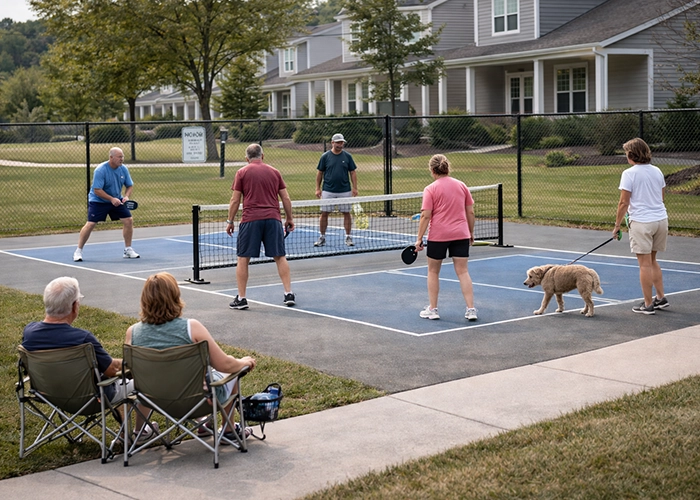
Sports in HOAs can be a great way to bring neighbors together, encourage healthy lifestyles, and make shared spaces feel more alive. At the same time, these activities can create challenges when expectations are unclear or rules are not consistently applied. Finding the right balance is key for boards and residents alike.
Understanding Sports in HOAs and Why They Matter
Sports in HOAs often reflect the character of the community itself. A neighborhood with families may naturally see more pickup games, youth practices, and casual recreation in common areas. These activities can help residents connect and foster a sense of belonging that goes beyond property lines.
At their best, recreational sports support wellness and social interaction. When neighbors know each other, communication improves and conflicts tend to be easier to resolve. This is one reason many HOA boards recognize the value of allowing reasonable sports activities within the community.
Problems usually arise when expectations are not clearly defined. Without guidance, residents may disagree on what activities are appropriate, where they should take place, and how often shared spaces can be used.
Common Types of Sports Activities in HOA Communities

The types of sports seen in HOA communities vary widely based on location, amenities, and demographics. Some associations are built around active lifestyles, while others prioritize quiet enjoyment of common areas.
In many communities, informal sports like basketball, soccer, pickleball, and tennis are the most common. These activities often take place on existing courts, streets, or open green spaces. Swimming is also popular in associations with pool amenities, especially during warmer months.
More structured activities can develop over time. Community leagues, fitness classes, or seasonal tournaments are sometimes organized by residents or supported by the board. When planned thoughtfully, these programs can strengthen engagement without disrupting daily life.
How Governing Documents Shape Sports in HOAs
Every HOA approaches sports differently, and much of that guidance comes from its governing documents. The declaration, bylaws, and rules and regulations typically outline how common areas may be used. These documents are the first place boards should look when questions arise.
Some associations include specific language about sports equipment, hours of use, or noise restrictions. Others rely on broader provisions related to nuisance behavior or safety. In either case, interpretation matters, and consistency is critical.
Boards that regularly review and update their rules are often better equipped to manage recreational issues. Clear language reduces confusion and helps residents understand what is allowed before problems develop.
Balancing Recreation and Resident Concerns

Allowing sports in HOAs requires a careful balance between recreation and the rights of all residents. Noise, safety, and property damage are the most common concerns raised by homeowners. These issues tend to escalate when people feel their concerns are being ignored.
Timing is one area where balance can often be achieved. Reasonable hours for sports activities help protect quiet enjoyment while still allowing ample time for recreation. Location also matters, especially when activities occur near homes or limited parking areas.
Open communication plays a major role here. When residents understand why certain rules exist, they are more likely to follow them. Boards that listen and respond thoughtfully tend to earn more cooperation over time.
Safety and Liability Considerations for HOAs
Safety should always be part of the conversation around sports in HOAs. Common areas are shared spaces, and injuries can happen if activities are not properly managed. This is especially true when children and guests are involved.
HOAs are often responsible for maintaining amenities used for sports. Courts, fields, and playgrounds should be inspected regularly to reduce hazards. When equipment is provided, it should meet basic safety standards and be well maintained.
Liability concerns are sometimes overlooked until an incident occurs. Many associations rely on waivers, posted rules, and adequate insurance coverage to reduce risk. Professional guidance can help boards understand their responsibilities without becoming overly restrictive.
The Role of HOA Boards and Management Companies
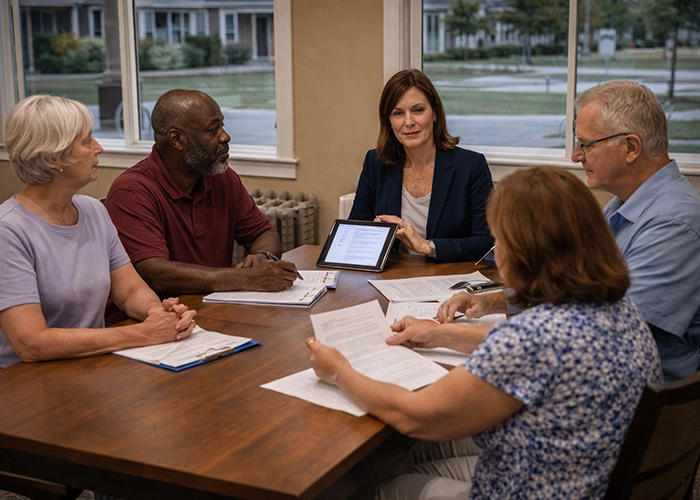
HOA boards are responsible for setting expectations and enforcing rules related to sports activities. This role requires fairness, patience, and a willingness to adapt as the community evolves. What worked years ago may not fit current needs.
Management companies often provide valuable support in this area. They help interpret governing documents, communicate with residents, and document issues when conflicts arise. Their experience with similar communities can also offer practical insight.
Consistency is essential. When rules are enforced unevenly, frustration grows and trust declines. Clear procedures help boards address concerns before they become larger disputes.
Creating Clear and Reasonable Sports Policies
Well written policies can prevent many of the common conflicts related to sports in HOAs. These policies should focus on behavior rather than targeting specific groups or activities. Flexibility allows boards to address new trends without constant revisions.
Policies often address noise levels, time restrictions, equipment storage, and use of common areas. They may also clarify whether streets can be used for play and under what conditions. Simple language makes these rules easier to understand and follow.
Resident input can be valuable during policy development. When homeowners feel included in the process, they are more likely to respect the outcome. This collaborative approach often leads to better long term compliance.
Encouraging Positive Community Engagement Through Sports
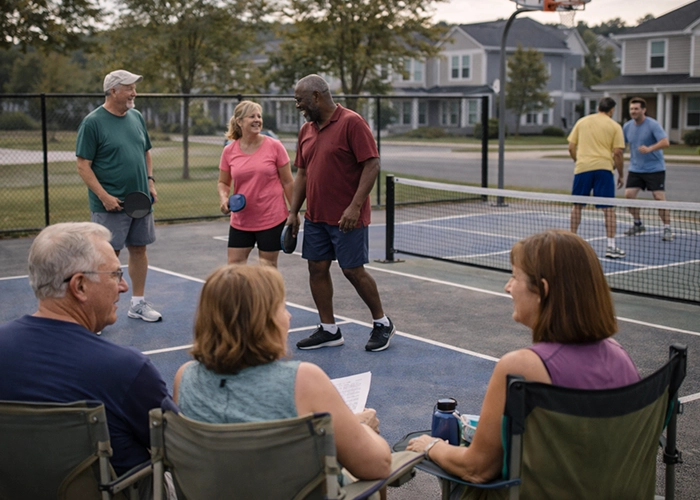
When managed well, sports can be a powerful tool for community building. Organized events, casual leagues, or wellness programs give residents a shared experience. These activities can improve communication and reduce the sense of isolation some homeowners feel.
Boards that support positive engagement often see fewer complaints overall. Residents who feel connected to their community are more willing to compromise and resolve issues respectfully. This can ease the workload for boards and managers alike.
Even small efforts can make a difference. Clear signage, shared calendars, or designated recreation times help set expectations and reduce friction.
Adapting to Changing Trends in HOA Recreation
Recreational trends continue to change, and HOAs are no exception. Pickleball, outdoor fitness classes, and multi use courts have become more common in recent years. These shifts can create excitement as well as tension.
Boards that stay informed are better prepared to respond. Monitoring resident feedback and usage patterns helps identify when adjustments are needed. Sometimes a small rule change or schedule update can resolve ongoing issues.
Flexibility does not mean abandoning standards. It means recognizing that communities evolve and that rules should support, not hinder, healthy interaction.
Keeping Sports a Positive Part of Community Life
Sports in HOAs can enrich community life when they are managed with care and clarity. By setting clear expectations, prioritizing safety, and encouraging open communication, associations can support recreation while respecting all residents. With thoughtful oversight, sports can remain a positive and unifying part of HOA living.
Related Articles: