
Got A Delinquent Owner In An HOA? Here’s What To Do

Having a delinquent owner in HOA communities can be a big headache for the board. Not only are they failing to pay their fees but also imposing a financial burden on the rest of the residents. What should the board do when there’s a delinquent homeowner?

Why are Delinquencies a Problem?

Unfortunately, delinquent HOA dues are quite common in planned communities. They happen for all sorts of reasons. Some homeowners may not be able to pay their dues because of financial hardship. The homeowner might have lost a job or gotten into other debt.

Meanwhile, other homeowners may simply refuse to pay the HOA. They might disagree with the board’s methods and not understand why the fees are so high. Regardless, delinquencies can have several consequences for planned communities, including:

  • Lack of Maintenance. The HOA must pay vendors and staff to clean and maintain the common areas. Delinquencies might prevent the HOA from paying for these services, resulting in a lack of maintenance. 
  • No Services. The HOA may fail to provide usual services, such as garbage collection and snow removal.
  • Amenity Closure. HOA amenities that cannot be maintained may be closed so the HOA can focus on paying for the necessities like water, sewage, and electricity.
  • Decline in Property Values. HOAs with poor upkeep and services may face lower property values. Home prices will lower, so homeowners cannot rent or sell their properties for higher prices.
  • Special Assessments. The HOA may levy special assessments to cover the cost of delinquencies, burdening other homeowners.
  • Increased Assessments. HOAs may try to cover the delinquent assessments by raising the fees overall for each community member. 
  • Homeowner Exodus. Some homeowners might find it too inconvenient or expensive to live in an HOA with many delinquent residents. As a result, many residents might move to other communities, leaving the HOA with fewer members. 
  • Buyer Discouragement. Potential buyers will be discouraged by the lack of maintenance and excessive fees in the community, and they will be less likely to purchase a home there.
  • Dissolution. HOAs that cannot pay for upkeep and other services may become insolvent, abandoned, and eventually dissolved. 

What to do About Delinquent Owners in HOA

A delinquent owner in HOA communities is certainly a problem. It causes a lot of physical, financial, and mental harm to the rest of the residents. What can the HOA do to resolve the issue? Here are some potential solutions.

1. Notify the Homeowner

shocked girl | delinquent owner in HOA

The first thing an HOA can do is to send a notice to the delinquent resident. A formal letter is sometimes enough to remind them that paying dues is important — and that nonpayment can lead to certain consequences. 

2. Impose Fines and Charges

Homeowners associations may issue interest, fines, and other charges for fee nonpayment. Often, the governing documents allow this as an enforcement measure against violating homeowners. Homeowners will be less likely to pay their dues late if they know it will result in monetary penalties.

3. Consider a Payment Plan

Sometimes, the delinquent homeowner may simply struggle financially due to their circumstances. HOAs may consider giving grace to the homeowner by offering a payment plan. The payment plan gives them breathing room and allows them to pay their fees in installments.

4. Report to the Credit Bureau

Homeowners associations can encourage residents to pay on time by reporting delinquencies to credit bureaus and credit reporting agencies. Delinquencies can jeopardize their credit scores and affect other aspects of life. Homeowners may be more likely to pay on time if they know their credit scores are on the line. 

5. Suspend Rights and Privileges

HOAs provide various amenities like pools and fitness centers. The board can exploit these by suspending a delinquent owner’s right to use the facilities. However, remember to check the governing documents before doing this. Some provisions may prohibit the HOA from suspending privileges due to certain violations. 

6. Turn to a Collection Agency

HOAs may have hundreds — or even thousands — of homeowners. In these cases, hiring a collection agency to oversee delinquent assessments may be best. The collection agency will use tried-and-tested methods to collect delinquent dues. Moreover, 

7. Take it to Small Claims Court

Can an HOA in Florida sue a homeowner? Yes, they may be able to do so under certain circumstances. Homeowners associations may force residents to settle their accounts by taking them to a small claims court. The HOA can then resolve the issue legally. On the other hand, remember that small claims courts have dollar limits. 

8. Place a Lien on the Property

Can an HOA in Florida take your house? Yes, they can. Florida homeowners associations are typically allowed to place liens on properties with delinquent accounts. As a result, the homeowner may have difficulty selling the home to someone else.

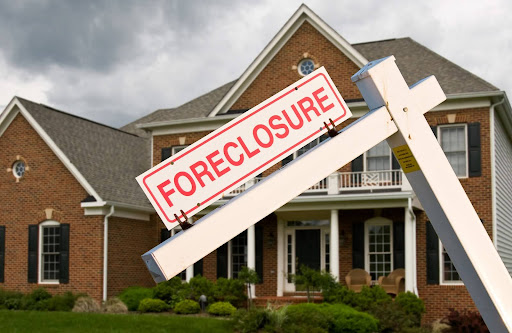
9. Foreclosure
foreclosure house | delinquent owner in HOA

Homeowners associations can foreclose a home in the community that already has a lien. Initiating foreclosure action allows the HOA to collect the unpaid balance through the sale of the home. Whoever becomes the new owner (usually the bank) will be responsible for paying off the delinquent assessments.

However, keep in mind that this should be a last-resort option. Foreclosures are often tiresome, lengthy, and costly. Once they occur within the community, they may also affect the HOA’s reputation. 

How to Prevent Delinquencies in HOAs

What actions should HOAs take to prevent people from turning into delinquent owners in HOA communities? Here are some possible avenues to pursue. 

  • Create a Collection or Delinquency Policy. HOAs should create a clear policy outlining the consequences of late or nonpayment and the escalating steps the HOA will take when these happen. The policy will discourage residents from forgetting or neglecting to pay their dues. 
  • Invest in Technology. If the HOA has an online platform, homeowners may be more able to pay their assessments on time. The residents can set up automatic payments, allowing the HOA to collect dues on time each month. 
  • Consider Payment Plans. Payment plans allow the HOA to collect late payments at a much slower rate. Nevertheless, it’s better than letting fees remain unpaid. 
  • Outsource Collections. HOAs can hire HOA management companies to create collection policies, assist with financial management, and collect dues. The HOA will no longer have trouble collecting dues individually, reducing accidental delinquencies.

An Important Part of HOA Management

Homeowners associations often have trouble when a delinquent owner is involved. Nevertheless, collecting the unpaid dues is important. Doing so keeps the HOA financially healthy and keeps property values high.

Freedom Community Management offers astounding HOA management services, including fee collection, to neighborhoods in Florida. Contact us online or call us at 904-490-8191 for more details!


What Is An HOA Architectural Review?

Homeowners associations exist to preserve property values by providing maintenance and enhancing curb appeal. How does an HOA achieve this? One of the main ways to keep the community’s frontage presentable is through an HOA architectural review committee. 

What is an HOA Architectural Review Committee (ARC)?

Most homeowners associations will have architectural guidelines within the Declaration of Covenants, Conditions, and Restrictions (CC&Rs). These guidelines dictate what the homeowners can and cannot do with their property. For example, the architectural guidelines might limit fence heights or regulate exterior paint colors.

The architectural review committee HOA communities have is in charge of reviewing architectural applications. Afterward, the board usually reviews the final proposal and revisions and decides whether to reject or accept the request. 

The HOA ARC also interprets and enforces the guidelines when someone violates them. In some communities, the ARC exists within the board of directors. Meanwhile, other HOAs recruit volunteers from the community.

HOA Architectural Review Committee Responsibilities

The HOA architectural committee charter typically includes the following responsibilities:

  • Application Review. The ARC is responsible for reviewing architectural change requests made by homeowners to ensure that all the modifications comply with the CC&Rs. They may deny, approve, or suggest changes to the proposal. 
  • Violation Monitoring. The ARC must inspect the community periodically for architectural violations or inconsistencies with the CC&Rs. 
  • Architectural Guideline Enforcement. The ARC must enforce the architectural review committee guidelines and ensure every property within the neighborhood follows the rules. 
  • Board Action Recommendation. After reviewing a proposal, the ARC may recommend certain actions to the board. Afterward, the board often has the final say as to whether or not to approve or reject an application.
  • Policy Review. The ARC must periodically review existing policies and suggest necessary changes to the board. 
  • Homeowner Education. In some communities, the ARC is responsible for educating the homeowners about the community’s architectural review guidelines. 

Why is the Architectural Committee Important?

The architectural review board HOA communities have might seem annoying for many homeowners. After all, people usually want to be able to do whatever they desire with their homes and properties. However, the HOA architectural review committee is essential for several reasons. 

1. Curb Appeal

great house design | hoa architectural review

The architectural review committee is at the forefront of the community’s efforts to preserve curb appeal. What they do will significantly impact how the community looks from the outside. Therefore, their decisions can make or break a potential buyer’s first impression.

In addition, some communities have stunning mountain or seaside views. The ARC may also be in charge of preventing modifications from blocking those views for the residents. One homeowner may want an extension that allows them to see the ocean better. However, doing so may block the view for another homeowner. 

2. Rule Enforcement

Almost every CC&R will include architectural guidelines. The ARC plays an important role in monitoring the community for potential violations and enforcing those rules. Neglecting to enforce the guidelines may lead to unenforceable rules. Moreover, the board may be held accountable for not fulfilling its duties to the community.

3. Property Values

HOAs exist to preserve property values. While HOAs can do this by maintaining the common areas, preserving curb appeal is as essential to maintaining property values as proper upkeep. After all, aesthetic appeal significantly impacts how others perceive a planned neighborhood. Uniform exterior aesthetics can enhance the community’s reputation and ensure that property values remain high

4. Board Assistance

The HOA board has many responsibilities. It can be difficult to balance community operations with architectural application reviews. A dedicated committee can reduce the board’s workload while allowing it to enforce the rules consistently. 

HOA Architectural Review Process

How should your community review architectural changes and proposals? Here are the typical steps involved in the review process.

1. Application Submission

HOAs should provide a transparent process for architectural applications. Consider creating a physical or electronic form everyone can use to submit their requests. Moreover, it’s important to establish how they should submit their requests and the timeline for the approval process.

Regardless, the application should include essential information such as the property address, start and end dates for the project, the contractor’s name, and the proposed changes. The procedure should be distributed to the homeowners either digitally or physically. You can also include it on your HOA website. 

2. Application Review

Once the homeowners have submitted their proposal, the ARC should examine the request and compare it with the CC&Rs. If there are questions or missing details, the ARC can ask the homeowner for clarification. 

3. Deliberation and Decision

The ARC should deliberate and decide whether to propose modifications or approve or reject the request. The ARC needs to be consistent and not show favoritism when making their decision. Otherwise, they could be held liable for selective enforcement. 

That said, the ARC should approve requests that do not violate the CC&Rs. They should also have reasonable grounds for their denials. If a proposal could be adjusted, they should also recommend changes to the homeowners so they can submit a revised application.

4. Written Notification

The ARC must send the homeowner a written notification of their decision, either in physical or electronic form. Often, the homeowners should expect a waiting period of 30-60 days.

5. Appeal

discussing plan | hoa architectural review

If their request is denied, homeowners may appeal the ARC’s decision. Sometimes, they may only need to apply the ARC’s suggested changes to approve their project. However, they should resubmit the application and not assume that making changes leads to automatic approval.

On the other hand, homeowners should also review state law and the governing documents. Depending on their provisions, the homeowners may not need to submit a reapplication to appeal the decision. When in doubt, talk to the board of directors. 

An Indispensable Committee

The HOA architectural review committee (ARC) is essential for planned communities. It oversees applications and ensures that homeowners don’t violate the architectural guidelines. With an efficient ARC, the HOA can better preserve curb appeal and enhance property values.

Freedom Community Management offers industry-leading HOA management services to communities around Florida. Contact us online or call us today at 904-490-8191 for more details!

HOA Documents That Govern A Community

A homeowners association must follow its HOA documents, which govern the operations and rules of a community. Understanding these documents, what they contain, and where they fall in the hierarchy is essential to successful management.

What are HOA Documents?

Homeowners association documents, also known as governing documents or HOA docs, are a set of documents that govern the operations, rules, and rights of an HOA community. These documents establish the HOA’s creation and powers and set forth the rights and obligations of both the HOA and the homeowners.

Hierarchy of HOA Governing Documents

Each governing document plays a vital role in a homeowners association. As with many things, these documents follow a hierarchy, wherein one document takes precedence over another.

Here is the hierarchy of HOA documents.

1. Federal, State, and Local Laws

Federal, state, and local laws are at the top of the hierarchy. These laws supersede all other governing documents of an HOA. 

Federal laws, such as the Fair Housing Act, dictate non-discrimination policies that every HOA must follow. State laws provide the framework within which HOAs must operate, outlining the association’s and homeowners’ rights and responsibilities. In Florida, these come from the Condominiums Act and the Homeowners Associations Act

Associations that are organized as nonprofits also follow the Nonprofit Corporation Act. Lastly, local laws usually cover zoning ordinances and building codes, which vary by area. 

No HOA governing document can contradict these laws. For instance, if an HOA rule conflicts with a state law, the state law will prevail. Therefore, the HOA will be required to amend its rules accordingly.

2. Community Plat

The community plat is a detailed map or plan that includes the location of lots, common areas, easements, and other critical features. It is recorded with the local government, is legally binding, and provides the spatial blueprint of the community. It defines the boundaries of individual lots and common areas, which is essential in determining ownership and maintenance responsibilities.

The community plat serves as a foundational document, laying out the physical structure and division of the community. All other governing documents must align with the information and layout provided in the community plat.

3. Declaration of Covenants, Conditions, and Restrictions

The CC&Rs are the primary governing document of an HOA. The CC&Rs outline the rights and obligations of homeowners and the association. These include architectural guidelines, maintenance responsibilities, and rules regarding the use of properties within the community. This document is recorded with the county and is legally binding.

The HOA CCRs take precedence over all other HOA documents, except for federal, state, and local laws, and the community plat. If any conflicts arise between the CC&Rs and other HOA documents, the CC&Rs will typically govern. Homeowners must adhere to the CC&Rs, and the HOA is responsible for enforcing them.

4. Articles of Incorporation

The Articles of Incorporation are the documents that legally establish the HOA as a corporation, usually a nonprofit. Filed with the state, these articles define the HOA’s structure, including its purpose, membership, and the powers of the board of directors. The Articles of Incorporation are more focused on the HOA’s organizational and administrative aspects rather than the community’s day-to-day rules.

While the Articles of Incorporation are essential for the legal formation and operation of the HOA, they do not typically override the CC&Rs or the community plat. They supplement these documents, ensuring that the HOA operates as a legitimate corporate entity.

5. HOA Bylaws

Homeowners association bylaws are the rules that govern how the HOA is run. They include the election of board members, the conduct of meetings, voting procedures, and the board’s responsibilities. The bylaws provide the operational framework for the HOA and ensure that the association functions smoothly and effectively.

While the bylaws are crucial for the HOA’s internal governance, they must align with the CC&Rs, Articles of Incorporation, and all higher-level laws. If there is a conflict between the bylaws and any of these documents, the bylaws will need to be amended to comply.

6. HOA Rules and Regulations

clean community streets | hoa documents

At the base of the hierarchy are the homeowners association rules. These are also known as operating rules. 

The HOA rules are specific guidelines that govern the day-to-day living in the community. These include parking rules, pet policies, and use of common areas. The rules and regulations are typically more flexible and expound on the CC&Rs. The board can usually update or amend the rules without requiring a vote from the entire community.

Though important for maintaining order and harmony within the community, the rules and regulations must always conform to the CC&Rs, bylaws, and all other higher-ranking documents.

How to Get HOA Documents

Homeowners should understand the contents of their governing documents. Before that can happen, though, they must secure a copy of them first.

Here is how to find HOA documents.

Public Records

Most of the time, an HOA’s governing documents are a matter of public record. An HOA files these documents with the state or the county recorder’s office. Homeowners can proceed to these agencies to secure a copy of the documents.

New Homeowner or Buyer Packet

Typically, an HOA provides every new homeowner or potential buyer with a copy of the governing documents. Potential buyers receive these documents to decide if the community is in good standing and a good fit for them, and new homeowners receive these documents to familiarize themselves with the community’s guidelines.

Community Website

Homeowners can usually find the governing documents if an HOA has a website. Publishing and storing the HOA’s CC&Rs, bylaws, and operating rules on the website allows for easy access to these documents anytime. Digital documents also eliminate the need to provide owners with printed copies, thereby saving printing costs.

HOA Records Request

If the above methods don’t work, homeowners can request a copy of the documents from their HOA board or community manager. Florida law covers homeowners’ rights to inspect and copy HOA records, including the association’s governing documents (Sections 720.303 and 718.111).

Can an HOA Charge for HOA Documents?

Whether or not an HOA can charge a fee to produce a copy of the HOA documents depends on state laws and the governing documents themselves. In Florida, Section 720.303 allows HOAs to charge fees to cover the costs of providing copies, though it places a dollar limit. Section 718.111 also allows for charges that cover actual costs.

The Bottom Line

Every homeowners association has a set of HOA documents to follow. Homeowners and board members should familiarize themselves with the contents of these documents to understand their rights, obligations, and responsibilities. 

Freedom Community Management provides HOA management services in Florida. Call us at 904-490-8191 or contact us online to learn more!