

HOA tasks often land in the gaps between work, family, and a volunteer schedule. The right tech in HOA can shrink those gaps by keeping info easy to find and easy to share. Less chasing usually means a calmer week for the board and for residents.
Why Tech in HOA Feels Worth It
Board turnover happens, yet the community still needs bills paid and vendors approved. A basic system keeps files, notes, and key dates in one place. The next person is not stuck digging through old emails.
Everyday wins are where the value shows up. A notice stays posted, and a resident finds the pool rules without sending three messages during a busy week. Over time, tech in HOA feels less like a project and more like a routine.
Clear steps shape expectations. A clear path comes from technology in HOA work, with documents stored in one spot and requests sent through a set form. Response times can be posted up front, so fewer follow-ups land in someone’s inbox.
A Portal That Cuts the Back-and-Forth

A shared online hub can fix the “where is that form” problem fast. Meeting packets, rules, and common forms belong in one spot. The newest version should be easy to spot.
Communication improves when updates follow a pattern. A news feed, a calendar, and simple alerts can keep residents in the loop. For many boards, tech in HOA communication works best when messages stay short and the next step is obvious.
Access needs to be part of the plan, especially for residents who avoid apps. Mobile-friendly pages, plain wording, and clear labels help more households take part. A tool that feels hard to use will create more work than it saves.
Payments and Records That Stay Clean

Dues can become tense when the process feels unclear. Online payments, auto-pay, and instant receipts can make assessments feel normal. Fewer late fees often follow, along with fewer awkward calls.
Record keeping gets easier when reports live in the same system. Bank files, budgets, reserve items, and vendor invoices can be stored with clear names and dates, with older versions saved in a folder. Board members can then review what they need without hunting in long threads.
Strong records support good choices. Approvals, changes, and notes stay easy to trace if a dispute comes up. In many communities, tech in HOA finance is less about fancy tools and more about clean proof.
Maintenance Requests That do not get Lost
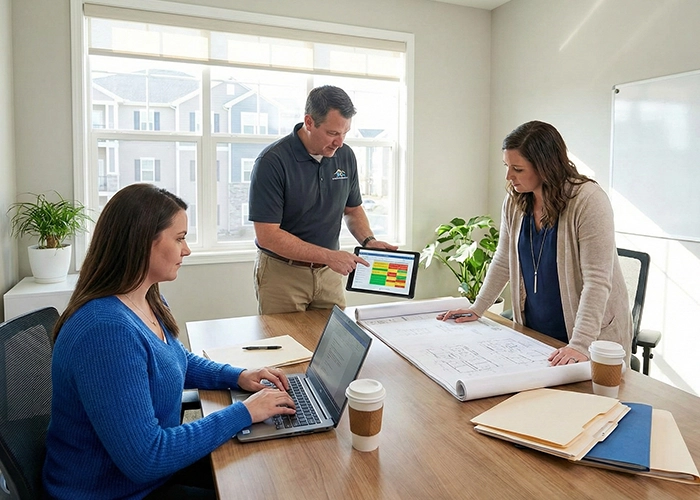
Common area repairs move quickly. A simple request form keeps details in one place, along with photos, unit numbers, and dates. A clear queue also helps a manager see what is open and what is done.
Vendor work stays smoother with shared files. Bids, insurance papers, and schedules can sit beside the work order, so the scope stays clear. Updates can then be shared with the board in plain language.
Trends show up faster when everything is logged. Repeat gate issues, roof leaks in one building, or rising landscape costs become easier to spot. That clear view can make tech in HOA useful for planning, not just fixing.
Rules and Requests Made Clear

Architectural requests and rule questions can take up more time than most boards expect. Online forms guide owners to share the right details, like paint colors, dates, and photos. A clear workflow also keeps the review fair.
Status updates reduce the “did you get my message” loop. A resident can see that a request was received and reviewed. That simple track record can cut tension during busy seasons.
Violation tracking benefits from the same approach. A short log with dates, notes, and photos keeps the process consistent if a hearing is needed. Tech in HOA does not replace judgment, yet it can keep the record clear and the tone respectful.
Meetings That Reach More Neighbors

Meetings go better when paperwork arrives early. Digital packets, agenda reminders, and a simple place for minutes can raise turnout and cut down on side conversations. Remote options can also help residents who travel or work late.
Online voting and quick polls can help in some places, yet local rules still matter. State laws and governing documents should be checked before any voting change. Some notices may need owner consent.
Follow-through matters after the meeting ends. Action items can be assigned and tracked, with deadlines easy to see. In that rhythm, tech in HOA board work supports accountability without extra stress.
Smarter Safety for Data and Money
Each new tool adds a new door, so basic security should stay front and center. Two-step sign-in, strong passwords, and limited admin access can block many common attacks. Backups and clear account ownership also protect the HOA when a volunteer steps down.
Vendor security questions should feel normal. Data storage, support access, and breach plans belong in the talk before a contract is signed. A short written note helps the board remember what was promised.
Good habits keep mistakes small. HOA technology should not mean shared logins, and each person needs their own account. Access should match the role, with private files limited to the right people.
Picking Tools Without Regret
A good tool fits the community, not the other way around. Size, budget, and comfort level should guide the choice. Staff time and pain points matter too.
Training works best when it stays simple. A one-page guide can cover most needs, and a brief demo at a meeting helps too. A clear help email address keeps questions in one place.
A few checks can protect the budget and the board’s time.
- Support speed: What happens when a login fails on a weekend?
- Role control: Can access be limited by job, without extra fees?
- Exports: Can records be downloaded in a common file type?
- Costs: Do add-ons raise the price in year two?
A Smooth Rollout
Most boards see pushback when a new login shows up. A soft launch keeps stress down. One feature, like online payments, can go first.
Short guides help people feel confident. Paper options can stay for a while, so no one feels left out. A few minutes of live help at a meeting can clear up the common issues.
Tech That Sticks
Real progress does not require the newest platform. A steady rollout and clear steps can make tech in HOA feel natural instead of stressful. More time can then go toward the community itself, not the paperwork.
Related Articles: