11 Ways To Improve Curb Appeal In Your HOA Neighborhood

The overall appearance of the neighborhood can influence a lot of things. From property values to creating a welcoming environment, HOAs have many reasons to improve curb appeal. However, how can you do this effectively?

Curb Appeal: Its Importance to an HOA

Maintaining or improving curb appeal is usually a priority for HOAs.

One of the main reasons is property values. A community’s curb appeal can significantly impact home values. If your property is situated in a clean and well-maintained neighborhood, more people, especially potential buyers, will find it desirable.  This benefits everyone in the HOA community, not just those selling their homes.

Curb appeal also helps in shaping the community’s identity. When a neighborhood is well-maintained and visually appealing, residents tend to feel a stronger sense of pride in their surroundings. 

A beautiful environment often encourages homeowners to take care of their properties. This creates a more welcoming atmosphere, making people more likely to participate in community activities or connect with other residents.

How to Improve Curb Appeal in Your HOA Neighborhood

Your HOA doesn’t need to have constant large-scale renovations or projects to boost curb appeal. Small and consistent efforts prove to be more effective.

Here are some things you can do to improve curb appeal:

1. Maintaining Neat Landscaping

Simple landscaping maintenance can do wonders for your neighborhood’s curb appeal, so it is neat and tidy. Regular maintenance is the easiest way to enhance curb appeal. 

When doing maintenance work, always include trimming hedges, mowing lawns, and weeding flower beds. The HOA board should also ensure that the common areas are kept tidy at all times.

2. Having Proper Lawn Care

Having a lush, green lawn creates a welcoming feel for your neighborhood. However, in Florida, this may be not easy to maintain due to the climate. This means your HOA needs to be on top of caring for green spaces in the community. Ensure that you hire reputable contractors and schedule regular lawn inspections to identify and promptly address any brown patches.

3. Freshen Up Paint and Siding

If the paint in your community is peeling or if the siding in buildings is dirty, these can easily make your neighborhood’s overall appearance look bad. 

As such, the HOA should communicate and work with residents to prevent this. Remind residents that they should repaint their homes when needed and clean siding once it’s dirty.

In the case of common areas, the HOA can hire professional cleaners and painters to freshen them up and boost curb appeal.

4. Maintain Entryways And Front Doors

nice house | improve curb appeal

Front doors are focal points of every home. A faded or damaged door can significantly impact the overall appearance of the entire property. Encourage residents to repaint their front doors or replace outdated hardware. Simple changes like this can substantially enhance curb appeal with minimal effort.

For HOA-managed common spaces, make sure gates, entrance signs, and community clubhouses are also in top shape. These areas are often the first thing visitors see.

5. Enforce Consistent Design Standards

Many homeowners opt for an HOA community because they desire a neighborhood with consistent design standards. Most, if not all, HOAs have a specific aesthetic that they need to maintain for uniformity. This is why residents usually submit an architectural review request before doing any external renovation or home improvements.

As part of the board, officers need to enforce this regularly. They will need to review the HOA’s architectural guidelines and ensure that all residents are following them. Some elements they would need to look out for are exterior paint color, fencing, roof repairs, and other visible elements. 

6. Install Attractive Community Signage

Many HOAs take community signs for granted, so they’re often overlooked. However, they have a significant role in both community safety and improving the curb appeal of HOA communities.

If you find a sign that is faded or outdated, replace it with a new one that is both accurate and that matches the community aesthetic. Always use a clear and easy-to-read font to boost their appeal.

7. Update Lighting Fixtures

Another element in a community that improves both safety and aesthetics is lighting.

For this, the HOA should encourage homeowners to replace any broken lighting fixtures. In the case of shared spaces, the HOA itself should regularly inspect and replace any broken fixtures. 

Good lighting not only enhances curb appeal but also reduces the risk of accidents.

8. Power Wash Sidewalks And Driveways

Sidewalks and driveways collect dirt, mildew, and stains over time, especially in humid states like Florida. Luckily, regular power washing can restore these surfaces to their pristine condition, instantly boosting curb appeal.

9. Add Seasonal Flowers And Plants

Beyond simple cleaning, your HOA should also add some color to its surroundings. 

For this, you can plant seasonal flowers in the entryways and other green spaces in common areas. If possible, consider collaborating with your local landscaping contractors to select flowering plants that thrive in your neighborhood. 

10. Keep Mailboxes And Street Furniture Clean

Mailboxes, benches, and other communal fixtures will also need regular care. If you leave them with faded paint, rust, or broken parts, it can easily make your community look neglected. 

HOAs should inspect these items regularly and replace or repair them as needed. Additionally, it is best to set guidelines for homeowner mailboxes as well. Consistent styles and maintenance can help improve HOA curb appeal across the board.

11. Remove Clutter and Junk

Garbage everywhere quickly ruins an HOA’s curb appeal. Items like broken lawn furniture, unused vehicles, and other carelessly left items will create eyesores.

For this, the HOA board needs to remind residents to keep their yards clear of unnecessary items. The HOA board should remind residents to keep yards clear of unnecessary items. If violations continue, boards may need to enforce rules through formal notices or fines.

Keeping streets and yards free from clutter not only improves curb appeal but also promotes safety and prevents pest problems.

Improving Curb Appeal: Who’s Responsible?

Curb appeal is a shared responsibility in every HOA neighborhood. It takes cooperation from everyone in the community, not just the board.

Residents are responsible for maintaining the cleanliness and upkeep of their properties. They should prioritize regular lawn care, exterior maintenance, and yard clutter removal. If each homeowner does their part, the whole community will benefit. 

Meanwhile, the HOA board is responsible for the common areas’ maintenance. They should handle landscaping, maintaining shared amenities, and repairing any common elements in the community. They also need to enforce the rules and guidelines involving property appearance fairly and consistently.

When both homeowners and the HOA work together, it becomes much easier to enhance the community’s curb appeal and maintain its appearance.

A Welcoming Neighborhood

happy community | improve curb appeal

When your HOA prioritizes curb appeal, it shows. Neighbors feel more connected, the community feels more inviting, and property values stay strong. It’s a team effort, but it pays off for everyone.

Looking for guidance and support in keeping your HOA’s curb appeal? Freedom Community Management provides HOA management services in Florida. Call us at 904-490-8191 or contact us online to learn more!

Related Articles

Inside The HOA Meeting: Agenda, Members, And Results

Issues and decisions are made during HOA meetings. It’s where you get your information and contribute to matters at hand. Although what goes into conducting a successful one every time?

What Is an HOA Meeting?

An HOA meeting serves as the venue for board members and residents to talk about relevant and pressing community matters. They typically cover topics such as the HOA budget, major projects, rule enforcement, and plans. It’s also a platform where residents can voice out concerns and ask questions.

There are several types of HOA meetings. They vary in terms of frequency, attendance eligibility, and the topics discussed.

The Ins and Outs of HOA Meetings

Official meetings have a proper structure to them, guiding the meeting and keeping it focused on relevant talking points.

Here’s what that structure typically looks like:

Call to Order and Roll Call

You need to set the stage properly to start a productive meeting. The call to order and roll call marks the official start of the meeting.

During this part, the board will need to confirm attendance and if a quorum has been reached. Without a quorum, the board will be unable to make official decisions.

Approval of Previous Meeting Minutes

The board reviews the minutes from the last HOA meeting for accuracy. This step allows members to correct errors before the notes are permanently recorded. It also helps with continuity.

Once approved, the minutes are filed for community reference.

Treasurer’s Report

In this part, the treasurer updates the community regarding the HOA’s finances. This report usually includes current balances, budget status, and any financial challenges the community may face. Homeowners can learn whether the community is on track with expenses and reserves.

Committee Reports

Each committee shares updates on its projects and plans. Some common reports include landscaping plans and schedules, any architectural requests made, or even upcoming events. Having them helps the board and homeowners stay informed on community initiatives.

Old Business

Old business covers topics that were previously discussed but not resolved. These could include ongoing contract negotiations or pending repairs. It ensures that nothing falls through the cracks.

New Business

This section introduces new topics for the board’s consideration. Proposals might involve new rules, maintenance projects, or insurance renewals. Homeowners can listen in to understand what changes may be on the way.

Homeowner Open Forum

neighbor discussion | hoa meeting

During this part of the HOA meeting, homeowners are allowed to share their concerns. This is when they can raise issues that might not be part of the current agenda. It’s an opportunity that lets residents have their voice heard and lets the board stay connected to the community’s needs.

Executive Session (if needed)

There are times when sensitive matters need to be on the agenda. For this, the board may hold a private session for confidential matters. Here, legal issues, delinquent accounts, or personnel decisions are likely discussed. Homeowners are usually excused during this part of the meeting.

Adjournment

The meeting ends officially once the board votes to adjourn. Following the vote, the date and time for the next meeting will be announced. It lets residents know when they should expect new updates or when new decisions will be made.

Who Sits Around the Table? HOA Meeting Members

A homeowners association meeting usually includes the following:

  • Board members
  • Property manager or management company representative
  • Committee Chairs or Liaisons (if presenting reports)
  • Homeowners (especially during a homeowners association meeting or HOA annual meeting)
  • Guests, such as vendors, legal counsel, or other experts, are invited for specific agenda items.

HOA Annual Meeting vs. Regular HOA Board Meeting

A HOA board meeting is held periodically to oversee governance, operations, and budgets. These are usually open to homeowners, though attendance may vary. Topics are often housekeeping, contract reviews, or maintenance updates.

By contrast, the HOA must have an annual meeting once a year, which includes specific business, such as board elections, budget approval, and reserve funding. Notice must be given in advance, and homeowners often receive ballots.

Decisions made during the HOA annual meeting shape the year ahead, report on financials, and sometimes include amendments to bylaws. Attendance tends to be higher, as these meetings involve legal obligations and voting power.

How HOA Meeting Minutes Keep Communities Organized

neighborhood meeting | hoa meeting

One of the most important documents produced at such a gathering is the HOA meeting minutes. These official notes include:

  • Date, time, and location of the meeting
  • Names of board members present (attendance list)
  • Approval or amendments to prior minutes
  • Detailed summaries of discussions, motions, votes, and results
  • Reports from committees, the treasurer, and management
  • Decisions made and actions assigned (who does what, by when)
  • Date of next meeting and time of adjournment

The secretary (or manager) prepares the minutes, which the board will review and approve at the next meeting. They also serve as a permanent record, which is useful for accountability, legal compliance, and helping new board members catch up.

Homeowners often request minutes to understand decisions, ensuring your meeting remains transparent and fair.

How Results from an HOA Meeting Shape Your Neighborhood

Outcomes from an HOA meeting impact your community in tangible ways:

  • Budgets and Dues: The board might approve annual HOA fees, allocate funds to reserves, or adjust fees for amenities.
  • Contracts and Vendors: Decisions on landscaping, pool services, pest control—these affect property value and quality of life.
  • Policy Changes: Updates to pet rules, parking, or architectural guidelines maintain community standards.
  • Reserves and Capital Improvements: Projects such as painting buildings or resurfacing roads require board approval.
  • Compliance and Enforcement: Decisions to issue violations or fines help maintain public rules.
  • Elections and Leadership: New board members bring fresh perspectives and influence future planning.

Every homeowner is affected, whether through monthly dues or the community’s overall appearance. That’s why a well-run HOA meeting is essential: it turns plans into action, votes into results.

Productivity Matters

A productive HOA meeting balances transparency, accountability, and community input. From the initial agenda and member participation to approved minutes and actionable results, every part helps your community thrive.

Need help in managing your HOA meetings? Freedom Community Management provides HOA management services in Florida. Call us at 904-490-8191 or contact us online to learn more!

Related Articles

Would HOA Apps Be Helpful To Your Community Or Just An Added Expense?

Some HOA board members swear by them. Others aren’t so sure whether HOA apps are a smart investment or just another tech tool that collects dust after a few months.

The Promise of HOA Apps

At their best, HOA apps promise smoother communication, fewer missed dues, and more engaged communities. They can act like a central nervous system for your HOA—tracking maintenance requests, pushing out emergency alerts, and letting residents pay assessments from their phones in less time than it takes to microwave popcorn.

They’re not just digital gimmicks. Many HOA management apps combine tools that used to require three different platforms and a part-time manager juggling spreadsheets. From architectural review requests to document storage to real-time voting, apps like TownSq, AppFolio, or Buildium have become cornerstones for tech-savvy communities.

Communication: Where It All Starts

If you’ve ever tried to get 87 homeowners to read a bulletin board notice, you know that communication is the hill most board members silently die on. HOA communication apps promise to fix this.

They centralize updates, allow instant push notifications, and give residents a space to ask questions or raise concerns without needing to corner you in the clubhouse parking lot. Some apps even let you control who sees what—perfect for separating resident news from vendor chats or board discussions.

But there’s a caveat: if residents don’t download the HOA mobile app or engage with it, it becomes another silent tool. It’s well-intentioned, but underused.

So, before signing any contract, boards should ask: Do our homeowners prefer digital tools? Are they likely to use an app over email or a physical notice? If your community skews older or less tech-inclined, a mobile app may end up like the treadmill in your guest room: nice in theory, mostly gathering dust.

Transparency Without the Headache

One underrated perk of HOA management software? It helps with trust. With all the talk around assessments, budgets, and enforcement actions, transparency can either be your ally or your biggest pain point.

Apps like Condo Control or CINC Systems allow homeowners to access governing documents, meeting minutes, or budget breakdowns anytime they want—no need to email the board or chase down a manager. That kind of access helps curb suspicion, reduces repeated questions, and builds a sense of accountability.

You’d be surprised how much frustration fades when people can find answers themselves. But here’s the kicker: those documents still need to be uploaded and maintained. If no one on the board—or your management team—is regularly updating the platform, it quickly becomes outdated, and your homeowners will stop trusting it.

Maintenance Requests: No More Sticky Notes

lady using stickly notes | hoa apps

In older communities or those run by more traditional boards, work orders can get lost. Residents slip notes under clubhouse doors, call the board president directly, or scribble on clipboards in the gym. No judgment—we’ve all been there.

Community management apps take that chaos and put it in one place. A resident reports a broken gate? It’s logged, timestamped, assigned, and tracked. No more miscommunication, and no more pretending you didn’t get the message.

Many HOA apps even let you upload before-and-after photos or comment on job progress. It’s like turning your community’s repairs into an efficient mini helpdesk—and it keeps vendors accountable, too.

Are the Costs Justified?

Most HOA apps are priced per unit or tiered based on the features they offer. A small community might pay $50–$150/month; larger ones can pay thousands annually, depending on complexity. That cost can feel steep, especially if assessments are tight or residents are wary of fee hikes.

But here’s a way to reframe it: how much are you spending on manual processes, printing notices, or managing complaints that spiral because of missed communication? Often, the app’s cost is lower than the cumulative drain on your board’s time. However, time is a resource many HOAs undervalue until it’s gone.

Still, cost-benefit only works if the board (and the residents) commit to using the platform. That means onboarding, regular updates, and encouraging homeowners to engage. Without adoption, even the most powerful tool can fall flat.

Not One-Size-Fits-All

This is where nuance comes in. Not every HOA needs a full-featured HOA management app loaded with financial tools, architectural reviews, and live chat options. Some communities thrive with simpler platforms like HOA Express or Google Workspace, plus a mass texting service. Others, especially those with hundreds of homes or amenities like tennis courts, elevators, or security gates, might need something more robust.

There’s no shame in starting small and scaling up. It’s smarter than overcommitting to a system that overwhelms your board and confuses your community.

What About Security?

phone security | hoa apps

With apps storing sensitive data, such as resident addresses, banking information, and possibly even gate codes, security is a legitimate concern.

Reputable HOA management apps typically encrypt data, offer secure logins, and comply with housing and data privacy laws. Still, boards should ask detailed questions during onboarding: Where is the data stored? Who has access? What happens if we leave the service? A little paranoia isn’t a bad thing when you’re protecting community trust.

The Human Element

Here’s where most articles skip ahead. Fancy tools don’t make apathetic communities more involved. No matter how sleek the platform, HOA apps won’t magically fix fractured trust or disengagement.

They help, streamline, and offer structure. However, relationships between the board, residents, and management continue to drive everything.

Before you buy anything, ask yourself: What are we hoping this app will solve? If the answer is poor communication, slow maintenance response, or document accessibility, then an app could be the step forward your board needs. However, if the problem is deeper—such as a lack of cohesion, broken trust, or absentee leadership—no app can cover that up.

Modern Solutions for Modern Communities

HOA apps can absolutely help communities run more efficiently, save time, and reduce headaches, but only if they’re well-suited to your needs and widely adopted by the people who use them. Technology should serve the community, not confuse it or quietly bleed the budget.

Looking to handle your HOA operations more efficiently with apps? Freedom Community Management provides HOA management services in Florida. Call us at 904-490-8191 or contact us online to learn more!

Related Articles:

Are Slush Funds In HOA Legal Or Just Overlooked?

Some things hide in plain sight. Slush funds in HOA communities might be one of them—and the legality of it all isn’t as cut-and-dried as you’d expect.

What is a Slush Fund?

The phrase “slush fund” tends to carry a strong sense of misconduct. Its connotations aren’t flattering: secret reserves, discretionary spending, and off-the-books maneuvering. Before jumping to conclusions, it helps to understand the basics.

What exactly is a slush fund? In the most neutral sense, it refers to money set aside for unallocated or flexible use. For corporate or political circles, that often spells trouble. In HOAs, though, it may simply refer to funds outside of the regular operating budget or reserves. That might sound harmless, but it all depends on how it’s handled.

Slush Funds in HOA Communities: Convenience or Compliance Risk?

HOA board members play many roles: budget steward, rules enforcer, community diplomat. With all those duties, it’s tempting to create a little cushion. Some boards keep a small reserve for landscaping upgrades. Others stash a little money away for quick vendor payments when approval delays get in the way.

This is where slush funds in HOA governance become murky. Is that discretionary pool legal? Is it documented in the financials? Are homeowners aware of its existence? A “no” to any of those questions may signal a deeper issue.

Most HOA board members aren’t trying to deceive anyone. Good intentions, however, don’t negate the need for transparency or compliance. Residents’ dues demand accountability. 

What Florida Law Says

Florida’s HOA laws, primarily Chapter 720 of the Florida Statutes, don’t mention slush funds by name. That’s not surprising since “slush fund” isn’t a formal financial term. Even without direct language, the statutes convey a great deal about financial conduct.

Here’s a quick summary:

  • 720.303(6) requires a clearly defined annual budget with itemized expense categories.
  • 720.303(4) mandates the maintenance of accurate accounting records that are open to resident inspection.
  • 720.303(13) outlines bidding and procurement requirements for expenses over a certain threshold.

These statutes mean that while HOA slush funds aren’t explicitly prohibited, any off-the-books account or discretionary pool lacking proper documentation and approval could violate the law. Boards can easily land in legal trouble if they treat these funds too casually.

The Flexibility Argument

A familiar phrase pops up during budget discussions: “We need some flexibility.” Unexpected expenses happen. Storm damage, plumbing failures, or last-minute repairs can’t always wait for formal board meetings or reserve fund reallocations.

Florida law allows for this, both legally and transparently. HOAs can (and should) create reserve funds for future repair or replacement needs. The annual budget can also include a modest miscellaneous or contingency line item for small, unexpected costs.

Flexibility isn’t the issue; hidden funds are. If a discretionary amount exists, it needs to be tracked, reported, and approved. Homeowners won’t object to careful spending. They will object to secrecy.

When Does It Cross the Line?

audit planning | slush funds in hoa

Consider this scenario: A homeowner asks where a small landscaping upgrade was funded. If the answer includes phrases like, “It came from our side fund, not in the regular budget,” or, “We’ve always had a little extra in an account only board members know about,” then that’s a red flag.

Any funds collected from dues belong to the association as a whole. Even small, informal practices around slush funds in HOA communities can lead to violations, especially if spending lacks documentation, budget approval, or transparency.

Boards that sidestep procedure risk serious consequences:

  • Member lawsuits or formal complaints
  • State-imposed civil penalties
  • Board members are losing liability protections under Florida law

Those are steep consequences for what often starts as a shortcut.

Why Intent Doesn’t Always Matter

Plenty of boards inherit practices they never thought to question. Some treasurers keep an envelope of petty cash to buy meeting snacks. Others maintain a quiet “board fund” passed down from the last group of volunteers. These aren’t always nefarious acts, as they’re born from tradition or convenience.

Unspoken traditions become entrenched quickly. That doesn’t make them defensible. A well-meaning misstep is still a governance issue when it lacks transparency and proper authorization.

Education and correction go a long way beyond blame. In most cases, boards need better process, not punishment.

Replacing Slush Funds with Transparent Discretion

There’s a better way to meet unexpected needs without crossing lines. A few smart financial strategies can eliminate the temptation to use informal funds while providing boards with the flexibility they desire.

Try the following:

  • Add a clear miscellaneous line in the annual budget. Label it and cap it.
  • Document all transactions, no matter how minor.
  • Define a policy that outlines approval procedures for discretionary expenses.
  • Avoid cash spending. Instead, use digital payments or checks for a paper trail.
  • Include the item in financial statements, so it’s visible to residents.

This approach provides boards with the flexibility to act swiftly when necessary, while maintaining legitimacy, clarity, and the support of their governing documents.

What If You Inherit a Slush Fund?

Sometimes, new board members discover strange practices buried in the books or outside of them entirely. A separate account, an informal pool, or a longtime board member’s “emergency stash” might come to light.

Here’s how to handle that situation responsibly:

  1. Freeze further use of the fund until its purpose and origin are clear.
  2. Bring it to the board’s attention at a public meeting and note it in the minutes.
  3. Absorb it into the HOA’s financial framework, such as reserves or an appropriate budget line.
  4. Inform the community that going forward, all association funds will be centralized and tracked.

Handling inherited slush funds transparently sends a powerful message: financial accountability is not negotiable.

When Trust Wears Thin

stack of coins | slush funds in hoa

The bigger issue here isn’t money but trust. Homeowners expect their dues to be managed responsibly and openly. Discovering that funds have been moved, used, or stashed without notice can permanently damage that trust.

Once suspicion takes root, it spreads fast. Board meetings become battlegrounds. Social media channels fill with accusations. Your board ends up defending every decision, regardless of merit.

Florida HOA governance is already complex. Between legal compliance, rising maintenance costs, and increasing scrutiny, boards can’t afford avoidable missteps. A questionable fund, even if well-intentioned, can ignite friction that lasts for years.

Transparency Beats Tradition

HOA boards don’t need to fear flexibility. Secrecy, however, invites trouble. Florida law might not use the term “slush fund,” but it addresses the behaviors and risks associated with them. The real win? Building trust through open communication and transparency.

Freedom Community Management provides HOA management services in Florida. Call us at 904-490-8191 or contact us online to learn more!

Related Articles:

Is A Florida HOA Audit Needed? What For?

It’s tempting to think of audits as something only big corporations worry about, but when you’re on an HOA board in Florida, the question of whether a Florida HOA audit is needed comes up more often than you’d expect. After all, accuracy, accountability, and confidence are cornerstones of good governance.

Why Would an HOA Even Need an Audit?

An HOA audit goes beyond a dry review of spreadsheets. It’s a formal, independent examination of a homeowners association’s financial records, conducted by licensed HOA auditors. Think of it like your community’s annual health check-up, but for finances. The auditor’s job is to review transactions, test balances, verify compliance, and ultimately, give the board (and homeowners) peace of mind that everything is in order.

And let’s be honest, if a resident challenges a dues increase or questions a major contract payment, having an audit report on hand can quickly diffuse tension. It adds a layer of credibility that internal reviews alone can’t always provide.

What Triggers an Audit Under Florida Law?

According to Florida HOA audit requirements under Chapter 720 of the Florida Statutes, whether your HOA must conduct an audit depends primarily on revenue. The thresholds are crystal clear:

  • Over $500,000 in total revenues? A full audit is legally required.
  • $300,000 to $500,000? A review is needed, which is less intensive than an audit but should still be done by professionals.
  • $150,000 to $300,000? A compilation is required. This still involves an outside CPA, but its scope is limited.
  • Below $150,000? There’s no audit requirement, unless your governing documents or members say otherwise.

But even when it’s not legally mandated, some HOAs voluntarily commission audits anyway. Why? Because reputation matters. If you’re managing reserves for roof replacements or storm recovery funds, members want reassurance that their money isn’t vanishing into thin air.

Are HOA Audits and Reviews the Same?

Not quite. It’s a bit like comparing a general check-up to an MRI.

An audit digs deep. It’s comprehensive and includes verification of documents, testing of transactions, and assessment of internal controls. HOA auditors may physically inspect bank statements, trace expenses to vendor invoices, and even verify dues payments.

A review, on the other hand, is more limited in scope. Auditors use analytical procedures to assess plausibility rather than scrutinising every ledger entry. You’ll still get a report, but with less detail.

So, what’s the smarter option? That depends on your HOA’s size, complexity, and risk appetite. If your community has large reserve accounts, a history of management turnover, or any indication of financial irregularity, consider opting for an audit every time.

What HOA Auditors Look For

financial planning | florida hoa audit

In addition to verifying that the numbers match, HOA auditors also need to read between the lines.

Here are some things auditors examine:

  • Income: Are assessments being appropriately collected?
  • Expenses: Do disbursements match approved budgets and contracts?
  • Reserves: Is the reserve account properly funded and utilized?
  • Compliance: Are financial practices in line with Florida statutes and governing documents?
  • Internal controls: Are there checks and balances in place to prevent errors or fraud?

And while no one likes the idea of “fraud,” it happens, even in small, quiet communities. Sometimes, it’s as mundane as double-billing. Other times, it’s more serious. A Florida HOA audit identifies problems and helps prevent them.

When Residents Start Asking Questions

The board may feel confident in its oversight, but what about the residents?

Transparency is a loaded word in HOA circles. When owners see rising HOA fees or special assessments, they want justification. An audit provides precisely that. It informs them that their money has been handled appropriately or flags issues before they become a problem.

Under Florida law, if 20% of the voting interests in a community request an audit, the board must arrange one, even if the community’s income doesn’t meet the typical thresholds. 

What Happens If You Skip It?

Ignoring audit requirements can bite back. If your HOA is legally required to conduct an audit and fails to do so, that could result in:

  • Legal consequences: Fines or penalties depending on how egregious the non-compliance is
  • Member lawsuits: Especially if funds go missing or records are mismanaged
  • Loss of confidence: Once trust is broken, good luck getting owners to approve the following special assessment

Even worse, some management companies don’t notify boards when audits are due. They’ll handle day-to-day bookkeeping but avoid raising the audit flag unless asked. That’s why boards must remain aware of their responsibilities, regardless of how hands-off management may be.

The Florida HOA Audit Process: What to Expect

Truthfully, a Florida HOA audit doesn’t have to be a hassle if your records are clean. The process typically unfolds like this:

  1. Engagement letter signed between the board and a CPA
  2. Document requests, such as bank statements, invoices, reserve studies, budgets, minutes, etc.
  3. Initial walkthrough of procedures and controls
  4. Testing and verification by the auditors
  5. Draft report issued, followed by any clarifications
  6. Final audit report delivered, usually within 30 to 60 days

The board doesn’t need to hover over the process, but it should stay engaged. Answer questions quickly. Make sure the manager provides complete records. If the auditor suggests changes to internal processes, take them seriously and implement them effectively. That’s where a lot of value hides—in the feedback.

Choosing the Right HOA Auditors

financial computation | florida hoa audit

When choosing HOA editors, you have to scrutinize all possible candidates. You should look for the following characteristics:

  • Specializing in community associations
  • Know Florida law and have experience with local HOA accounting quirks
  • Are licensed and insured
  • Provide sample reports or references from other communities

Ask about timing, cost, and communication style. Some CPAs are incredibly technical and hard to follow—others know how to break it down for regular people. You’ll want the latter.

Depending on the size of your HOA, the audit cost can range from $2,000 to $7,000 or more. Yes, that’s a significant amount of money. But so is a leaky roof—only audits protect something more fragile: your credibility.

A Needed Check

An audit won’t solve every problem in an HOA, but it clears the fog. When one’s done right, an audit clears the air and puts questions to rest. Sometimes, knowing where things stand is worth more than any line item in the budget.

Need professional help with your Florida HOA audits? Freedom Community Management provides HOA management services in Florida. Call us at 904-490-8191 or contact us online to learn more!

RELATED ARTICLE:

Florida Rules On HOA Fence Heights: Avoid Fines And Frustration

Fences may seem simple, but they can quickly become a headache if homeowners and HOA boards aren’t on the same page. In Florida, understanding the rules about fence heights can save residents from costly violations and help HOA boards enforce regulations fairly.

Let’s break down everything homeowners and HOA boards in Florida need to know about fence heights, from common standards to state laws and association-specific guidelines.

Why Fence Heights Matter in Florida HOAs

Fences serve multiple purposes: they add privacy, keep pets and children safe, and define property boundaries. However, in HOA communities, personal preferences about the height of the fence can’t always take priority.

Florida HOA boards are legally allowed to set rules governing fence construction, including specific limits on fence heights. These rules help preserve the look and feel of the neighborhood, maintain home values, and ensure that one homeowner’s fence doesn’t block a neighbor’s view or access to sunlight.

What Are Standard Fence Height Limits?

When talking about regular fence heights, it’s helpful to understand what’s considered typical in residential areas across Florida:

  • Front yard fences: Usually capped at 3 to 4 feet.
  • Backyard fences: Often allowed up to 6 feet.
  • Corner lots: May have stricter rules due to line-of-sight safety concerns for drivers.

These are general guidelines, not statewide mandates. The real rules governing fence heights in HOAs are found in the community’s governing documents and Florida HOA statutes.

Florida HOA Fence Laws: The Legal Foundation

Florida’s Homeowners’ Association Act (Chapter 720, Florida Statutes) allows HOAs to create and enforce rules about exterior modifications, including fences. However, the law also requires that:

  • HOA architectural review processes should be fair and consistent.
  • Homeowners will be given notice and an opportunity to appeal decisions.
  • Restrictions and rules should be documented clearly in the association’s governing documents.

While Florida law doesn’t set a standard fence height for all HOAs, it gives associations the authority to do so. Boards must strike a balance between enforcing uniformity and accommodating homeowner needs.

Common HOA Fence Height Rules

rules and regulations | fence heights

In practice, most Florida HOAs adopt specific fence height rules as part of their architectural guidelines or CC&Rs. Here are some common features:

  • Height limits: Many HOAs restrict fence heights to 6 feet in the backyard and 3–4 feet in the front yard.
  • Material and style requirements: Chain-link fences are often banned; wood, vinyl, or wrought iron may be required.
  • Approval process: Most associations require residents to submit plans to an architectural review board before installation.
  • Setbacks and property lines: Fences usually must be installed a certain distance from sidewalks, roads, or easements.

If these rules aren’t followed, a homeowner could face penalties, even if the fence height complies with city or county zoning laws.

Local Zoning vs. HOA Rules: Which Takes Priority?

This is where things can get confusing. Florida cities and counties set zoning regulations that include maximum fence heights based on land use and location. However, just because your city allows a 6-foot privacy fence doesn’t mean your HOA does.

Here’s how the relationship works:

  • Local zoning sets the legal ceiling: You can’t go above the city or county limit.
  • HOA rules can be stricter: Associations can impose tighter limits than the local government, but not looser ones.

So even if your city says 6 feet is fine, if your HOA’s rules say 5 feet, that’s the limit you’ll have to follow.

Enforcement and Violations: What Happens When Rules Are Ignored?

Violating HOA fence rules, especially those regarding fence heights, can lead to consequences ranging from fines to legal action. Here’s what usually happens:

  1. Violation notice: The HOA sends a formal letter informing the homeowner that their fence is out of compliance. This is often referred to as an HOA violation notice.
  2. Opportunity to correct: The homeowner is given time to remove, lower, or otherwise fix the fence.
  3. Fines and legal action: If the issue isn’t resolved, the HOA may impose fines (as allowed under Florida law), suspend use of amenities, or file a lawsuit.

Boards must follow proper procedures when issuing a fence violation, including notice requirements and an opportunity for the homeowner to request a hearing.

Architectural Review and Approval Process

To avoid frustration, the best approach for homeowners is to go through the HOA’s architectural review process before building or modifying a fence. This process usually involves:

  • Submitting a fence application detailing the proposed fence’s height, material, and location.
  • Providing drawings or schematics.
  • Waiting for approval before starting any work.

Many HOAs have architectural committees that meet monthly to review such requests. Homeowners should always check whether their planned fence complies with both the HOA fence restrictions and the local zoning code.

Exceptions and Special Circumstances

Sometimes, homeowners have legitimate reasons to request exceptions to standard fence height rules. Some of these reasons include keeping a large dog safely enclosed, addressing a security concern, or mitigating noise from a busy road.

HOA boards in Florida do have some flexibility to grant variances or exceptions, but they should be careful to:

  • Apply criteria consistently.
  • Document their decision-making process.
  • Avoid setting precedents that could open the door to disputes or accusations of unfair treatment.

Reasonable accommodations may also be required under the Fair Housing Act in cases involving disabilities.

Tips for HOA Boards on Managing Fence Height Issues

For HOA board members, managing disputes over fence heights and enforcing the rules fairly is part of the job. Here are a few best practices:

  • Keep rules clear and updated: Ensure your architectural guidelines clearly spell out the limits for fence heights in HOAs.
  • Educate homeowners: Include fence rules in welcome packets and post reminders on community websites or newsletters.
  • Document everything: Keep records of applications, approvals, violations, and communications in case disputes arise.
  • Be consistent: Apply the same rules and procedures to every homeowner to avoid the appearance of favoritism or bias.
  • Work with professionals: Consult your HOA attorney or manager when handling violations or potential legal issues.

Well-documented and consistently applied rules help avoid costly litigation and keep your community peaceful and visually appealing.

What Homeowners Should Know Before Installing a Fence

If you’re a Florida homeowner planning to install or replace a fence in an HOA community, here are a few steps to avoid issues:

  1. Review your HOA’s CC&Rs and architectural guidelines: Don’t assume that city code is enough.
  2. Check local zoning laws: Confirm what your county or municipality allows in terms of fence heights.
  3. Submit an application: Get approval from your HOA before spending money on materials or contractors.
  4. Work with a licensed contractor: They should be familiar with local and HOA requirements.
  5. Communicate: If you think your fence needs to be higher than allowed, talk to the HOA board early.

Being proactive can save time, money, and a lot of frustration down the road.

Changing the Rules: Can Fence Heights Be Amended?

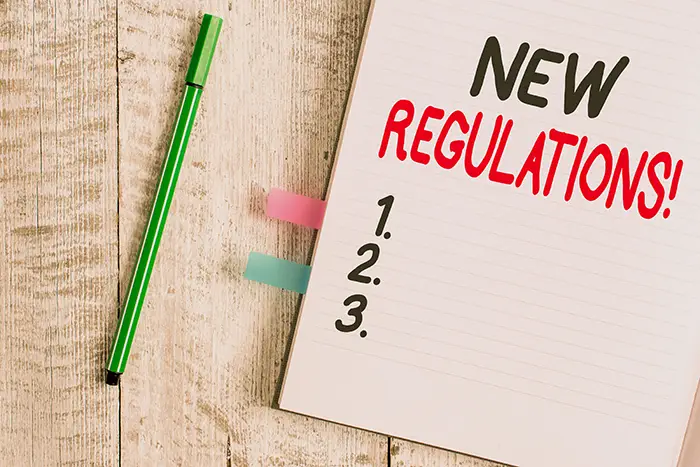
new regulations | fence heights

If enough residents feel the current fence height rules are too strict (or too loose), it is possible to push for a rule change. This typically involves:

  • Submitting a petition.
  • Holding a vote among HOA members.
  • Amending the governing documents if the vote passes.

The exact process depends on the HOA’s bylaws. Keep in mind that changing the rules usually requires a supermajority vote.

HOAs should only consider rule changes after community input, legal review, and consultation with their property management company to ensure the changes are enforceable and legally sound.

Following Fencing Rules

In Florida HOA communities, the rules on fence heights are enforceable standards that protect property values and neighbourhood aesthetics. By following HOA fence rules, seeking approval, and respecting both state and local laws, homeowners and board members can keep things running smoothly on both sides of the fence.

Need help with enforcing architectural guidelines in your Florida community? Freedom Community Management provides HOA management services in Florida. Call us at 904-490-8191 or contact us online to learn more!

Vacant Lots In HOAs: Legal, Financial, and Aesthetic Considerations

Many times, not all of the lots in HOA communities are occupied. And with more vacant lots in HOAs, the more complicated it is for the board to manage.

What are HOA Vacant Lots, Exactly?

When talking about vacant lots in HOAs, there are usually two types to consider.

First are unowned or unsold vacant parcels. These are pieces of land that were never sold during the development phase. They might have been reserved for future development, marked for everyday use, or left untouched.

Second are privately owned vacant lots. These have been purchased but not developed. The owner may be waiting to build, sell, or invest when the time is right.

Each type has different implications in terms of legal responsibility, financial contribution, and appearance.

Legal Considerations: Who’s Responsible for What?

Legal obligations depend on who owns the lot. HOA boards need to know where their authority begins and ends.

For privately owned vacant lots, the rules of the HOA still apply even if no home is built. That means the lot owner is still responsible for paying dues and maintaining the property to community standards.

This includes mowing the grass, removing debris, and addressing dead trees or overgrown areas. If the lot is neglected, the board can issue violation notices and may arrange maintenance at the owner’s expense, depending on the governing documents and state law.

If a lot is still under the developer’s name, the responsibility generally rests with the developer. However, if the ownership is unclear, the board may need legal advice to determine whether the land should be classified as common area or reassigned. Until then, the HOA may have limited power to enforce rules or require upkeep, even if the lot affects the community’s appearance or safety.

Financial Impacts of Vacant Lots in HOA

man using a calculator | vacant lots in hoa

Vacant land can affect the financial health of a community more than some might expect.

When a lot remains unsold, the HOA collects no assessments from it. This reduces revenue and shifts a greater portion of the financial burden onto other homeowners. In small communities, even a few missing lots can strain the budget.

In cases where the lot is owned but the owner delays or avoids paying dues, the association may face ongoing delinquencies. This can lead to increased legal costs and may impact the HOA’s ability to fund necessary maintenance, repairs, or amenities. Delinquencies also affect cash flow and can compel the board to increase dues for other members.

Maintenance is another concern. If the board chooses to maintain neglected vacant lots to protect curb appeal and safety, that cost may come from the HOA’s budget unless it can be recovered later. This might include mowing, clearing debris, or addressing tree hazards.

There is also the matter of liability. If someone gets injured on a vacant lot and there is any confusion about who owns it, the HOA could be pulled into a lawsuit. This risk is higher if residents commonly use the land for activities or parking.

Appearance and Curb Appeal

A vacant lot that is messy or overgrown can detract from the neighborhood’s appearance. In an HOA community where aesthetics play a significant role in attracting buyers and supporting property values, this can be a serious issue.

Boards should work with owners to make sure vacant lots are kept clean and tidy. That includes mowing, trimming vegetation, and keeping the area free of trash or old materials. If fencing is present, it should be in good repair. Empty lots should not become dumping grounds or storage sites.

Even lots that are not visibly neglected may need attention if erosion or invasive plants start to affect neighboring properties. Regular inspections and proactive communication help reduce these risks.

Can the Community use Vacant Lots in the HOA?

Homeowners sometimes see vacant lots as opportunities for practical or recreational use. This might include parking extra vehicles, setting up a garden, or creating a temporary play area. However, using private land this way can lead to problems.

If a vacant lot is privately owned, the board and residents cannot use it without the owner’s permission. Unauthorized use may lead to disputes, liability issues, or property damage. Even casual parking on an empty lot is risky if there is no agreement in place.

Using vacant land as a community garden or shared space may be possible, but only if ownership is clear and proper agreements are in place. For lots owned by the HOA or designated as common areas, the board can consider formal plans for community use. For other parcels, written agreements, legal review, and insurance considerations are all necessary.

Some lots might be suitable for future amenities, such as walking paths or green spaces, but any long-term plan should begin with confirming ownership and understanding the legal framework.

Strategies for Managing Vacant Lots in HOA

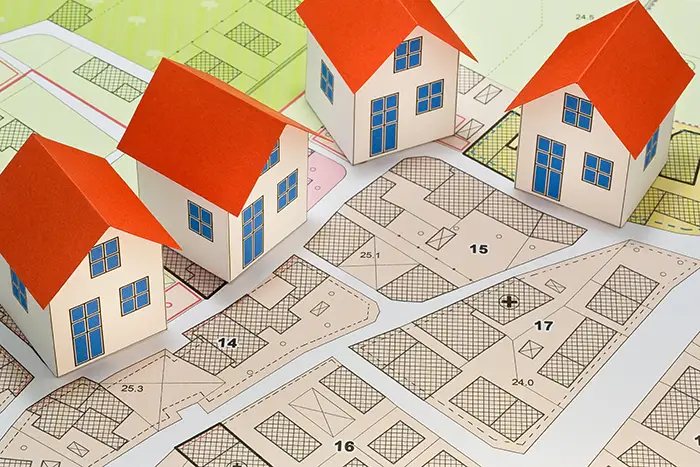
house blueprint | vacant lots in hoa

To handle vacant lots effectively, boards should stay organized and proactive. Here are some tips:

  1. Keep detailed records showing who owns each lot, when assessments are billed, and whether any payments are overdue.
  2. Maintain regular communication with the lot owners. Friendly reminders can go a long way toward encouraging upkeep and timely dues payments.
  3. Create clear standards for lot appearance. Apply the same enforcement process used for built properties, including written notices and fines if necessary.
  4. Review your governing documents. You should also make sure they allow the board to enforce standards on undeveloped lots. If not, consider proposing amendments.
  5. If the board plans to acquire or convert lots for shared use, work with legal counsel to ensure a smooth process.
  6. Monitor lots for safety concerns and document any actions taken by the board. This helps reduce liability in the event of disputes that may arise later.
  7. Additionally, consider partnering with landscape professionals for seasonal clean-ups or routine maintenance on neglected lots.

Turning Empty Lots Into Community Assets

Vacant lots in HOAs do not have to be a liability. With good records, fair enforcement, and a clear strategy, the board can minimize financial risk and maintain the neighborhood’s appearance. In some cases, those empty parcels could even become the foundation for future amenities that benefit the entire community.

Looking for help in managing vacant lots in your Florida community? Freedom Community Management provides HOA management services in Florida. Call us at 904-490-8191 or contact us online to learn more!

Board Basics: Managing HOA Violations Right

Homeowners associations exist to help protect property values and maintain an excellent quality of life in a community. But with shared rules come occasional HOA violations, the real challenge is how your board handles them.

Know the Rules Before You Enforce Them

Before enforcing any HOA violation, board members need to be familiar with the rules. Everything starts with your community’s governing documents.

These documents spell out what’s expected of residents and what counts as a violation. Florida’s HOAs also have to follow Chapter 720 of the Florida Statutes, which outlines how violations should be handled legally.

It’s also a good idea to review and update your rules now and then. Outdated or unclear rules can lead to misunderstandings or, in the worst cases, legal headaches.

How to Manage HOA Violations Properly

Managing HOA violations can be challenging at times. While you know what rules to enforce, you may find it hard to balance being fair, firm, or being too lenient in your decisions. Not quite sure if you’re enforcing rules the right way? Here are some steps that you can follow:

1. Spotting HOA Violations

Most homeowners association violations come to light through either resident reports or routine inspections. Some of the more common HOA violations include:

  • Parking in restricted areas
  • Not keeping up with landscaping
  • Making exterior changes without approval
  • Excessive noise
  • Running a business from home

When a potential violation is spotted, it’s important to stay neutral and fair. Take the time to document the issue and verify that it violates your rules. For minor infractions, some boards opt to begin with a friendly reminder before issuing a formal notice.

2. Send a Clear Notice for HOA Violations

If a rule is broken and it’s time to take action, the next step is to send an HOA violation notice. Florida law outlines specific guidelines for this process, and boards must follow them closely.

A proper notice should include:

  • What the violation is
  • Which rule does it violate
  • When it was observed
  • How long tdoes he homeowner have to fix it
  • How can they respond or ask questions
  • Contact information for the board or management

In Florida, most HOAs must give at least 14 days’ notice before imposing a fine or taking further action. The notice should be sent via mail or hand-delivered to the homeowner’s address on file.

Make sure the tone is respectful and transparent. A well-worded notice helps avoid confusion and shows homeowners that the board is being fair and professional.

3. Offer a Hearing Before Fines

judge and gavel | hoa violations

Florida law also requires that, before any fines or suspensions are enforced, homeowners must be given a chance to speak at a hearing. This hearing is held before an independent committee of non-board members who aren’t related to the board in any way.

Homeowners must be given at least 14 days’ written notice of the hearing. It’s their opportunity to:

  • Explain their side
  • Share any relevant info or context
  • Ask for more time to comply

This is an essential aspect of ensuring fair enforcement. If the committee doesn’t approve the fine or suspension, the board can’t go forward with it.

4. Follow Through with Fines or Other Actions

If the violation isn’t corrected and the hearing committee signs off, the board can move forward with enforcement. In many cases, that means HOA violation fines, which Florida law limits to $100 per violation or a total of $1,000 for ongoing issues.

However, keep in mind that these fines can’t be turned into a lien on the property. That only applies to unpaid assessments.

Beyond fines, the board may also suspend access to shared amenities and voting rights in elections. They may also pursue mediation or legal action if the issue continues.

Florida strongly encourages HOAs to use mediation or arbitration first before heading to court. Legal battles can drain time and money for both the board and the homeowner.

5. Keep Good Records and Stay Transparent

Everything related to a HOA violation should be well documented. You should always save different types of records that can help in decision-making. You can save things like:

  • Photos or inspection notes
  • Copies of the violation notice
  • Delivery receipts
  • Hearing details
  • Final decisions and fines

Having everything on file protects the board and ensures a clear record of how the issue was handled.

Transparency matters too. Make your enforcement process easy for residents to understand and follow. Post the procedures online, talk about them in meetings, and include reminders in newsletters. When residents know what to expect, they’re more likely to comply.

Mistakes to Avoid When Enforcing HOA Violations

Even well-meaning boards can make missteps. Here are a few to watch out for:

  • Being inconsistent Enforcing rules for some residents and not others can lead to serious complaints or lawsuits.
  • Not keeping records – If you can’t prove what happened, enforcement becomes difficult.
  • Poor communication – Harsh or unclear notices can create unnecessary conflict.
  • Skipping the hearing process – If a homeowner isn’t given a fair chance to respond, fines may be invalid.
  • Using outdated rules – Vague or old rules can lead to confusion and pushback.

If your board needs help managing violations the right way, a Florida HOA management company can be a huge asset.

Educate Residents

hoa meeting | hoa violations

The goal of addressing HOA violations goes beyond punishment. It also aims to help residents adhere to the community’s standards. Many boards have found that a preventive and educational approach is most effective.

Here are a few ideas:

  • New resident welcome packets: These can include a summary of the most common rules and how the violation process works.
  • Seasonal reminders: A brief community email or newsletter update about landscaping or decorations can go a long way.
  • Talk it out: For simple or first-time violations, a quick phone call or friendly chat might solve the issue right away.
  • Offer grace periods: Giving residents a little extra time to rectify an issue, especially if they’re cooperative, can prevent escalation.

When residents feel informed and respected, they’re more likely to follow the rules and less likely to push back.

When It’s Time to Call in the Pros

Dealing with HOA violations requires time, legal expertise, and considerable patience. If your board is overwhelmed or dealing with frequent infractions, consider working with a professional HOA management company.

They can help with:

  • Routine property inspections
  • Writing and sending formal notices
  • Organizing and staffing hearing committees
  • Tracking violations and fines
  • Referring complex cases to legal experts

An experienced team can also help train your board and streamline the entire process so you’re always in compliance and never caught off guard.

Stay Fair and Consistent

Ultimately, managing HOA violations helps maintain a smoothly running community. A thoughtful, consistent approach strengthens trust between the board and the community. And that’s what outstanding HOA leadership is all about.

Need help with HOA violations in your Florida community? Freedom Community Management provides HOA management services in Florida. Call us at 904-490-8191 or contact us online to learn more!

Is HOA Responsible For Water Damage?

Water damage can be one of the most frustrating and costly issues a homeowner faces. In HOA communities, determining responsibility for repairs isn’t always straightforward. Is HOA responsible for water damage? Who handles the damage can depend on several factors.

What are HOA Water Responsibilities?

When water damage strikes, the first thing to determine is where the issue originated. That often dictates whether the HOA or the homeowner is responsible for repairs. HOAs typically maintain common areas and shared structural elements.

These may include roofs, exterior walls, and shared plumbing in condominiums or townhomes. However, the definition of “shared” varies from one community to another, making it essential to consult your governing documents.

HOA water responsibilities usually include the maintenance and repair of pipes and water systems located in common areas or servicing multiple units. For instance, if a leak originates from a pipe that runs behind a shared wall or beneath a building’s slab and impacts multiple units, the HOA is likely on the hook for repairs.

But if the leak is confined to the plumbing inside your walls or under your sink, it’s probably your responsibility.

Is the HOA Responsible for Water Damage?

Well, it depends on two main things: where the water came from and what your governing documents say. Your HOA’s CC&Rs, along with bylaws and maintenance policies, spell out responsibilities in detail.

In many condo associations, for example, HOAs are responsible for damage that occurs to the building’s structure or common elements. That includes roofing failures, exterior pipe bursts, and leaks from walls shared by multiple units.

If water from the roof leaks into your unit due to poor maintenance, the HOA may be required to pay for repairs and even temporary relocation costs, depending on your policy and their negligence.

However, the HOA is typically not responsible for damage caused by something inside your unit, such as a leaking dishwasher or a broken washing machine hose. In those cases, it’s up to the homeowner to repair the damage and cover the costs.

Does HOA Cover Plumbing Issues?

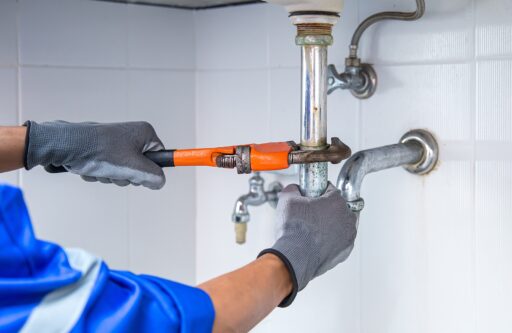
Technician plumber using a wrench to repair a water pipe under the sink | hoa responsible for water damage

This is one of the most frequently asked questions following a water-related incident. The answer again hinges on location. If the plumbing is part of a shared system—say, a stack that runs through several units in a condo building—it may fall under the HOA’s responsibility.

In contrast, plumbing lines that serve only one unit, particularly those within the walls or under the floor of your individual home, are usually the owner’s concern.

Some HOAs will cover plumbing repairs up to a certain point of demarcation, often where the system enters a private unit. Any plumbing downstream of that point is typically the owner’s job to maintain. It’s crucial to understand where this responsibility line is drawn in your community.

What Repairs are HOA Responsible For?

When it comes to what repairs are HOA responsible for, it’s best to break it down into structural vs. personal property categories. Most HOAs are responsible for:

  • Structural components of buildings (roofs, exterior walls, foundations)
  • Shared infrastructure (e.g., standard plumbing, electrical lines)
  • Exterior features (gutters, siding, stucco)
  • Landscaping and irrigation systems

On the flip side, they are not responsible for repairing individual appliances, interior flooring, drywall, cabinetry, or personal belongings inside your home unless the damage resulted directly from a failure in a system the HOA was supposed to maintain.

So, if a roof leak causes water to pour into your condo and damage your hardwood floors and furniture, the HOA may be responsible for fixing the roof and drying out the structure. However, your personal property and interior upgrades are likely your responsibility to replace.

Does HOA Cover Water Leaks?

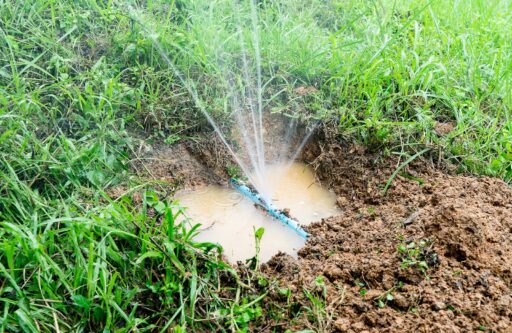
Water pipe break,leaking from hole in a hose | hoa responsible for water damage

Water leaks are tricky, especially when it’s not immediately clear where the water is coming from. To determine if your HOA covers the cost, the best approach is to identify the source of the leak first. If the leak is from a roof, a shared pipe, or a faulty gutter system, the HOA is probably responsible for the repair.

But leaks from windows, for instance, are often a grey area. Some HOAs cover window frames but not the glass. Others leave all window repairs to the homeowner. Internal leaks from things like hot water heaters or in-unit plumbing usually fall squarely on the owner’s shoulders.

To avoid confusion, file a report with your HOA as soon as you discover the leak. They’ll likely conduct an inspection to determine fault. Remember that some HOAs also carry master insurance policies, which may cover major structural repairs. However, these often come with high deductibles, and not all forms of water damage are covered.

When Homeowners Insurance Comes into Play

When do homeowners cover water damage? This depends on the type of damage. Most standard homeowners’ insurance policies cover sudden and accidental water damage. This includes burst pipes or overflows, but excludes flooding from outside sources or gradual leaks resulting from poor maintenance.

It’s important to note that even if the HOA is responsible for the damage, your insurance may be your only option for replacing your personal items or making certain repairs quickly. You may need to file a claim through your insurer first and then seek reimbursement through the HOA if they’re deemed at fault.

Homeowners in HOA communities should consider buying condo or HO-6 insurance policies that complement the association’s master policy. These policies typically cover items like interior walls, flooring, and contents that are not protected by the HOA’s policy.

Steps to Take When Water Damage Occurs

If water damage hits your home, take these actions right away:

  1. Stop the water source, if possible—turn off valves or shut off the water main.
  2. Document the damage with photos or videos before you start the cleanup.
  3. Contact the HOA to report the incident, especially if the source isn’t immediately apparent.
  4. Review your insurance policy and contact your provider to file a claim.
  5. Review your governing documents to determine your responsibilities and coverage limitations.

Don’t wait for the HOA to act if you know the damage could worsen. Start mitigation quickly to prevent mold, structural damage, and escalating repair costs.

Preventing Future Water Disputes

Neighbors discuss the news, standing at the fence. | HOA responsible for water damage

One of the most effective ways to avoid conflict is through proactive measures and clear communication.

Homeowners should routinely inspect appliances, shutoff valves, and interior plumbing. HOAs should conduct regular maintenance on common areas, roofs, and irrigation systems to ensure their optimal functioning. Both parties benefit when water systems are well-maintained and responsibilities are clearly outlined.

It’s also wise for HOAs to communicate their responsibilities to residents. Updating CC&Rs to reflect modern materials and community layouts, especially after renovations or infrastructure changes, helps avoid disputes later.

When the Water is Clear

Water damage can cause chaos, but with the proper knowledge and swift action, you can minimize the stress and associated costs. Knowing your responsibilities and coverage options can make all the difference.

Freedom Community Management provides HOA management services in Florida. Call us at 904-490-8191 or contact us online to learn more!

HOA ADA Compliance: What Boards Should Know

Understanding ADA compliance isn’t always easy for HOA boards. But if your community has shared spaces or receives accommodation requests from residents with disabilities, it’s something you can’t afford to overlook. Knowing when federal accessibility laws apply can help your board support residents fairly while staying in line with the law.

What Is the ADA and When Does It Apply to HOAs?

The Americans with Disabilities Act (ADA) is a federal law passed in 1990 to prevent discrimination against people with disabilities. It covers access to public spaces, employment, transportation, and services. But not every HOA facility falls under its scope.

The ADA generally applies when a part of your community is used by the public. For example, if your clubhouse or pool is rented to outside groups or used for events that are advertised publicly, those areas may need to meet ADA standards. This includes things like wheelchair-accessible entrances, ramps, restrooms, and parking.

Private areas, like residential sidewalks or parks that are only for residents and their guests, aren’t usually covered by the ADA. Instead, these spaces fall under the Fair Housing Act (FHA), which has its own set of accessibility rules focused on housing.

That said, the line between private and public can blur quickly. If your community center doubles as a polling place or hosts neighborhood events open to outsiders, parts of it may be legally required to meet ADA guidelines.

It’s smart to review how your shared spaces are used—not just by residents, but by the public, too. That can help you figure out where ADA compliance is necessary and where FHA rules apply instead.

Understanding Disability Accommodations Under the Fair Housing Act

Even if the ADA doesn’t fully apply to your HOA, you’re still responsible for complying with the FHA, which requires “reasonable accommodations” for residents with disabilities. This is where many boards run into confusion.

A resident might ask to install a wheelchair ramp, modify a walkway, or keep a service animal even though your rules don’t typically allow it. The law expects HOAs to consider these requests seriously and, in most cases, approve them—unless doing so would impose a major burden on the community or change the nature of the services offered.

That doesn’t mean HOAs must approve every request without limits. If a proposed modification would be prohibitively expensive or structurally impossible, the board can deny it, but not without documenting the reasons and ideally speaking with legal counsel.

The bottom line? Reasonable accommodations aren’t optional. They’re a legal obligation, and they help ensure every resident can use and enjoy their home just like anyone else.

Common Areas Where ADA Compliance Comes Into Play

Some parts of your HOA are more likely to raise accessibility concerns than others, especially if they’re used by both residents and guests. Below are some of the most common areas where compliance questions come up:.

HOA Wheelchair Ramps and Accessible Routes

Rear view woman using a wheelchair climbs up a ramp | HOA ADA compliance

Wheelchair ramps are one of the most frequently requested accommodations. If the ramp is for a private home, it’s generally up to the homeowner to install and maintain it. But the board can’t unreasonably deny permission, even if the ramp doesn’t match the neighborhood’s aesthetics.

For shared spaces like the clubhouse or pool, wheelchair ramps are often required under the ADA, especially if the facility is open to the public or used by residents with mobility issues.

Beyond ramps, your board should also be thinking about the condition of sidewalks, parking lots, doorways, and any other routes residents or guests might take. Cracked pavement, uneven bricks, or narrow hallways can all create barriers for people with mobility aids.

Pool Access and ADA Rules

Pools can get tricky. If your HOA pool is only for residents and their guests, you may not be legally required to comply with the ADA. But if you allow outside rentals or host community events that are open to the public, then things change.

In those situations, ADA regulations may require specific features. These include a pool lift or a sloped entry, making the area accessible and safe to people with physical disabilities.

Even when the ADA doesn’t strictly apply, installing these features can still be a wise move. Not only do they help create a more inclusive environment. But, they also future-proof your facilities in case regulations tighten later on.

Accessible Parking and Clear Signage

If your community includes a publicly accessible building, then ADA-compliant parking is a must. This includes van-accessible spaces with the right dimensions, as well as clear signage directing people to those spots and to the accessible entrance.

Parking compliance is one of the most commonly overlooked areas of concern. Signs fade, pavement markings wear out, or upgrades get delayed. These small issues can easily turn into violations if someone files a complaint or has trouble accessing a facility.

Make accessible parking a regular part of your inspection and maintenance routine. It’s one of the simplest ways to stay compliant and show that your board takes accessibility seriously.

Maintenance and Ongoing Accessibility

Professional technician fixing elevator doors | HOA ADA Compliance

ADA compliance isn’t a one-and-done checklist. Over time, features that were once compliant may become barriers. A ramp that’s cracked or slippery, a door opener that stops working, or a bathroom with a broken grab bar—all of these can create serious problems.

To stay ahead, include accessibility features in your regular maintenance planning. Inspect shared spaces with an eye toward usability for people with disabilities. Make repairs promptly. And if you’re planning renovations, keep ADA requirements in mind from the start.

Best Practices for HOA ADA and FHA Compliance

Managing compliance doesn’t have to be overwhelming. A few simple strategies can make a big difference:

  • Have a clear accommodation request process: Residents should know how to ask for disability-related accommodations, what’s required, and how long it will take to get a response.
  • Train board members and managers: Everyone involved in reviewing requests or managing facilities should have a basic understanding of ADA and FHA requirements.
  • Work with qualified professionals: Architects, contractors, and legal advisors who understand accessibility laws can help you avoid costly mistakes.
  • Review policies regularly: HOA rules that seem neutral on paper can sometimes have unintended discriminatory effects. Periodic reviews help identify and correct those issues.
  • Document everything. Keep detailed records of all requests, decisions, maintenance logs, and communications related to accessibility. This protects your board and provides clarity if disputes arise.

Avoiding Common Mistakes

Even well-meaning boards can make missteps. Here are a few that come up often:

  • Denying a ramp or modification based on aesthetics: Curb appeal matters, but it can’t override a resident’s right to accessibility.
  • Asking for too much personal information: If someone requests a service animal or a modification, you can ask for documentation of need, but not their medical records or diagnosis.
  • Dragging your feet: Delays in responding to accommodation requests, even accidental ones, are also seen as denials under the law. Quick, clear communication is key.

Building a More Inclusive Community

Meeting HOA ADA compliance requirements doesn’t need to be burdensome. With the right knowledge and a proactive approach, your board can stay ahead of legal requirements, avoid costly disputes, and ensure your community is welcoming to all. Whether it’s installing HOA wheelchair ramps, evaluating ADA compliance for HOA pools, or managing HOA disability accommodations fairly, your leadership makes a lasting impact.

Freedom Community Management provides HOA management services in Florida. Call us at 904-490-8191 or contact us online to learn more!