Can HOA Fine You Without Proof? HOA Boards Should Know This

Florida boards often ask a hard question: can HOA fine you without proof? In practice, fines should rest on clear evidence and proper procedure. That is how you keep enforcement fair, consistent, and defensible.

Can HOA Fine You Without Proof? Florida Basics

The safest answer to can HOA fine you without proof is no. Florida law sets a process that implies evidence will be presented and tested at a hearing. A fine is not imposed unless the owner gets at least 14 days’ written notice and a hearing before an independent fining committee that can confirm or reject the fine.

At a minimum, your notice should describe the alleged violation, explain how to cure it, and include the hearing information. The hearing should occur within 90 days after the notice is issued. If the committee does not approve the fine by majority vote, you cannot impose it.

What Counts as “Proof” in a Community Setting

what happens if you ignore hoa fines

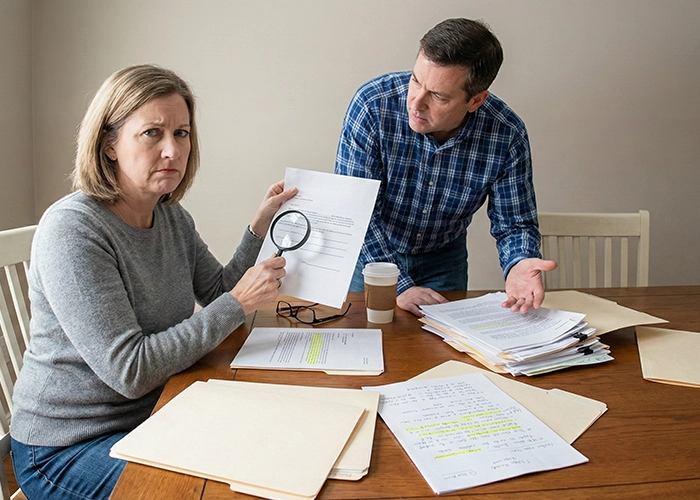
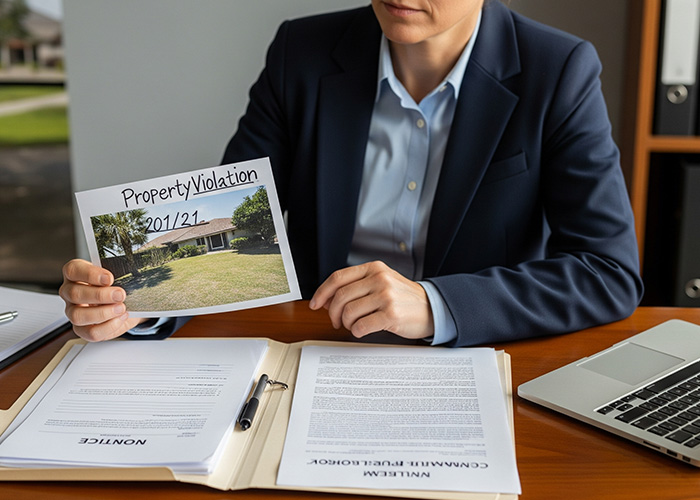
Proof in an HOA setting does not require a courtroom standard. It means clear, specific documentation that shows what happened, where, and when. Build a file that both the homeowner and the enforcement committee can understand, then use materials like:

  • Dated photos or short video clips showing the condition or act
  • Copies of prior courtesy notices and any cure deadlines
  • Security or gate logs, if relevant to the violation
  • Written statements from staff, vendors, or witnesses
  • Applicable rule or covenant excerpts attached to the file

These materials allow the owner to understand the case and give the committee a solid basis to decide. Keep them in the association’s official records file for the matter. Associations should maintain minutes and other written records related to operations, including notices, committee decisions, and documentation.

Due Process Checklist for Florida HOAs

what happens if you ignore hoa fines

Before you levy any fine, align your steps with Florida’s notice and hearing rules. A short, consistent workflow helps managers and volunteers keep compliance on track. Use this checklist each time to keep decisions fair and defensible:

  • Board action: The board decides to levy a proposed fine at a properly noticed meeting.
  • 14-day notice: Send written notice to the owner and any affected occupant, licensee, or invitee. Include the violation description, how to cure, and the hearing details. The hearing should be held within 90 days after issuing the notice. Owners may attend by phone or electronic means.
  • Independent committee: Hold the hearing before at least three committee members who are not officers, directors, employees, or close relatives of those individuals. The committee votes to confirm or reject the proposed fine.
  • Written outcome: Within 7 days after the hearing, the committee provides written notice of its findings, any fine approved or rejected, how to cure, or when payment is due.
  • Payment window: If a fine is approved, set a due date at least 30 days after delivery of the outcome notice. Avoid seeking attorney fees tied to board actions before that date.
  • Cure rule: If the violation is cured before the hearing or as specified in the notices, the association should not impose the fine.

Following this list keeps your process clean and makes your decision far more defensible.

Homeowner Rights to See the Evidence

Owners in Florida can inspect official records within a defined statutory window after the board or its designee receives a proper written request. This includes meeting minutes, committee findings, notices, and other written records related to operations. Failing to provide access can create a presumption of noncompliance and can lead to statutory damages.

Because owners can request records, your files should be organized, legible, and complete. Label exhibits, keep dates clear, and store everything in the same case folder. This protects the board and shows good faith.

What Happens If You Ignore HOA Fines? 

what happens if you ignore hoa fines

When homeowners fail to pay, boards require a measured response that adheres to the statute and the governing documents. Acting too quickly can backfire and invite claims of unequal treatment. 

Here is what you can do in Florida, and what you cannot:

  • Use-right suspensions: You can suspend common area use rights for violations, but never block vehicle or pedestrian access to the home or parking.
  • Delinquency suspensions: If an owner is more than 90 days delinquent in any monetary obligation, you may suspend use rights and voting rights until paid. The 14-day hearing process is not required for these delinquency suspensions.
  • Lien rules for fines: A fine under $1,000 cannot become a lien against a parcel. Your governing documents may allow fines to exceed $1,000 in the aggregate, at which point a lien may be possible. Always confirm the language in your documents.

If you anticipate nonpayment, focus on timely notices, accurate accounting, and consistent follow-through. That record will matter if a dispute escalates. Boards also often field the question what happens if you ignore HOA fines, so keeping a standard response on file helps maintain consistency.

Five Evidence Habits Every Florida Board Should Adopt

Strong files start long before the hearing. These habits make it clear to everyone that an HOA can fine you without proof and reduce disputes later. Build them into your routine so each case file tells a clean, complete story:

  1. Time-stamp everything. Photos, letters, and staff notes need dates and names.
  2. Tie each exhibit to a rule. Mark the section number of the covenant or rule on the document.
  3. Show cure options. Each notice should state what the owner can do and by when.
  4. Document the hearing. Keep attendance, a brief summary of testimony, the committee vote, and the decision letter.
  5. File it in the records. Store the whole packet with minutes and related correspondence so it is ready if requested.

Common Mistakes That Undercut Enforcement

what happens if you ignore hoa fines

Small procedural slips can undo a solid violation case. They also weaken trust with homeowners who expect a fair and transparent process. Avoid these missteps to keep enforcement consistent and defensible:

  • Missing the 14-day notice or omitting the cure description in the notice.
  • Improper committee makeup, such as including a director, officer, employee, or a close relative of one.
  • No timely outcome letter. The committee should send its decision within 7 days after the hearing and set a payment date at least 30 days out.
  • Treating sub-$1,000 fines as liens. Florida statute bars that.
  • Blocking access or utilities. You cannot suspend ingress, egress, or parking.

Florida-Specific Fine Limits and Practical Notes

Florida caps most fines at $100 per violation, with up to $1,000 total unless your governing documents allow higher totals. For continuing violations, you may levy per day with a single notice and hearing opportunity, while still respecting any aggregate cap in your documents. These numbers set boundary lines for boards that ask, “can HOA fine you without proof?” but your evidence and process decide what happens inside those lines.

Quick Board Script for Hearings

what happens if you ignore hoa fines

Hearings run best when everyone knows the flow. A simple script keeps the meeting focused and respectful for both sides while protecting due process. Use a structure like this so each step is clear and repeatable:

  • Call the matter. Confirm notice and attendance.
  • Read the alleged violation and the rule section.
  • Admit exhibits into the record and give the owner a chance to respond.
  • Ask the committee for questions.
  • Close the record. Committee deliberates and votes to confirm or reject.
  • Send the written outcome within 7 days, including any cure steps and a payment date at least 30 days away.

Fair and Just Enforcement

When it comes to imposing fines, the most important considerations are fairness and the process. Evidence, along with Florida’s notice and hearing steps, protects both the community and the homeowner. 

Looking for professional support when it comes to HOA enforcement? Freedom Community Management provides HOA management services in Florida. Call us at 904-490-8191 or contact us online to learn more!

Related Articles:

Understanding HOA Backyard Rules And Restrictions

Backyards feel private, but they still sit inside a planned community. Clear hoa backyard rules help protect property values and keep peace between neighbors. This guide explains how these rules work in Florida and what to expect before you start a project.


What are HOA Backyard Rules?

HOA backyard rules are the standards your community sets for changes, upkeep, and use of the space behind your home. They sit alongside local codes and building permits. Your declaration, bylaws, and architectural guidelines spell them out in detail.

Most communities require written approval before you alter structures or add new features. That includes patios, decks, sheds, and pools. The review is not meant to slow you down. It checks whether your plans fit the community’s design and safety standards.


Florida HOA Backyard Rules

florida hoa backyard rules

Florida law gives HOAs a framework, and your documents fill in the details. In practice, Florida HOA backyard rules often address height limits, setbacks, materials, and drainage. They also touch on privacy issues, like fence style and placement, so neighbors keep sightlines and safety.

Florida communities also follow state procedures for notices, hearings, and fines. Boards must give proper notice and the chance to be heard before penalties can stick. Knowing this process reduces stress if a dispute comes up.


What Do HOA Backyard Rules Cover?

Backyard guidelines vary, but most communities regulate a few core items. Here are typical focus areas:

  • Fences and Hedges: Height, style, color, and placement near easements.
  • Sheds and Outbuildings: Size, materials, roof line, and location away from property lines.
  • Patios and Decks: Surface materials, elevation, railings, and drainage plans.
  • Pools, Spas, and Safety: Barriers, alarms, equipment screening, and water flow.
  • Lighting and Noise: Fixture brightness, direction, and quiet hours.
  • Trees and Landscaping: Removal, replacement, and species that affect drainage or roots.

These topics protect both curb appeal and safety. They also help prevent conflicts between neighbors.


Can HOA Enter Your Backyard?

can hoa fine you for backyard

This depends on your governing documents and the situation. Many declarations allow entry at reasonable times for maintenance of common areas, emergency repairs, or to fix a confirmed violation that the owner failed to address.

Routine inspections usually require notice. Emergencies may not. If the association plans to step inside a fenced yard, the board or manager should state the purpose, the authority in the documents, and the time frame. If you have questions, ask to see the specific clause that grants entry.


Can HOA Fine You for Backyard Issues?

A frequent concern is whether the HOA can fine you for backyard violations. Florida law allows fines when a rule is broken, but there are safeguards. The board must give you notice and a chance to appear before an independent committee. Daily fines can be applied for ongoing issues, but the total fine is capped unless your documents allow a higher amount. A fine under a set level cannot become a lien.

The simplest way to avoid fines is to communicate early. If a project is already underway and an issue pops up, pause and contact the manager. Many problems can be resolved with a revised plan.


What Happens If You Build a Patio Without HOA Approval?

what happens if you build a patio without hoa approval

Homeowners also ask, what happens if you build a patio without HOA approval. You could be asked to remove or alter the patio at your cost. The association may fine you until you fix the violation. You might also face trouble at resale if the buyer’s title company or lender spots an open violation or unpermitted work.

If you made an honest mistake, act fast. Submit an after-the-fact application with drawings, photos, and product sheets. Show that drainage, setbacks, and safety are addressed. The board may still require changes, but swift action shows good faith.


How to Get Backyard Projects Approved Faster

You can keep the process smooth with a few simple steps. Start by reading your architectural guidelines and any landscape rules. Note size limits, colors, and materials that are allowed. Then gather the right documents before you apply.

Helpful items include a site plan with measurements, product brochures, color samples, and a basic drainage note. If the project touches a utility easement, call the utility locator first. If a county or city permit is required, submit copies or show your plan to obtain one.


Drainage and Easements

can hoa fine you for backyard

Backyard work can change how water moves. That is why many HOA backyard rules focus on grading, downspouts, and permeable materials. Your association will ask where water flows and how you plan to avoid pooling on a neighbor’s lot.

Easements allow utilities or the association to access parts of your yard. Placing a shed or a large tree inside an easement may violate your documents or local rules. Check your survey and be sure your project sits outside restricted areas.


Privacy and Views

Homeowners want privacy, yet communities want a consistent look. Expect your guidelines to address fence styles, hedge heights, and screens around equipment. If you add a privacy screen, choose styles listed as acceptable in your documents. Keep tall plantings far enough from property lines so growth does not spill over onto a neighbor’s side.


Pets, Play, and Storage

florida hoa backyard rules

Many HOA backyard rules cover pet runs, playsets, and storage. Anchoring a swing set may require a permit or at least a safe setback. Visible storage of building materials or unused furniture is usually limited to short periods. Rules may also restrict outdoor kitchens or fire features based on fuel type and distance from structures.


Resolving Problems Without a Fight

Disagreements can happen even when you try to do things right. Stay calm and stick to the process. Ask for the exact section of the rule you are said to have broken. Request a meeting, present your plan, and bring evidence that your project meets code and the community standard.

If you receive a violation, respond within the deadline. You can request a hearing and propose a cure plan with dates. Boards often accept practical timelines, especially when a contractor’s schedule or weather plays a role.


Budgeting and Long-Term Care

florida hoa backyard rules

Backyard projects cost more than materials. Set aside funds for permits, review fees, and required inspections. Add a small reserve for changes the board might request. Once built, keep the area clean and in good repair. Quick maintenance prevents small issues from becoming violations.


Simple and Compliant

Following hoa backyard rules keeps projects smooth and protects your home’s value. Start with your documents, ask questions, and get approvals in writing. A little planning can turn a backyard idea into a finished space you can enjoy without headaches.

Looking for professional support in handling backyard rules? Freedom Community Management provides HOA management services in Florida. Call us at 904-490-8191 or contact us online to learn more!

 

Related Articles:

HOA Committees: What To Prioritize And What’s For Later?

Homeowners volunteer because they want a better community. The challenge is knowing where to start. This guide helps Florida boards set up HOA committees in a way that delivers quick wins now and sustainable results later.


What are HOA Committees?

HOA committees are small groups of volunteer homeowners who help the board research, plan, and carry out specific tasks. They do not replace the board’s authority. They help the board move faster, involve more voices, and improve follow-through.

Well-run homeowners association committees use written charters, clear scopes, and timelines. They report back to the board with recommendations or decisions, depending on the authority granted.


The Essentials: Committees to Prioritize

Begin with committees that reduce risk, protect property values, and support daily operations. These HOA committees create immediate impact and keep the community on firm footing.


Architectural Review Committee (ARC)

Design control affects curb appeal and resale value. The ARC reviews exterior changes, ensures consistency with the governing documents, and sets predictable timelines. In Florida, architectural decisions should follow recorded standards and be applied consistently.


Finance and Budget Committee

Money touches every agenda. A finance group reviews budgets, reserve contributions, and contracts, and it prepares recommendations for the board. The committee can also help translate numbers into simple updates for owners.


Maintenance and Landscaping Committee

Common areas need regular attention. This committee tracks vendor performance, collects homeowner input on trouble spots, and prioritizes repairs. It keeps a simple rolling log so nothing gets lost.


Compliance and Fining Committee

Rule enforcement should be fair and well-documented. In Florida, a separate, impartial fining or violations committee is required to approve fines and certain use suspensions before they take effect. Members cannot be board directors, and their role is to review the board’s proposed fine or suspension and accept or reject it.


Communications Committee

Clear communication reduces confusion and conflict. This group helps with newsletters, community notices, and meeting summaries. It keeps the tone factual and friendly, and it coordinates with the board before sending anything out.


Good to Have Next: Committees You Can Phase In

homeowners association committees

Once the essentials are in place, add committees that build community life and long-term plans. These HOA committees are valuable, but they work best after core operations are stable.

  • Safety and Security Committee: Coordinates with local law enforcement on crime-prevention talks and promotes basic safety steps like lighting checks and emergency contact lists.
  • Social and Events Committee: Plans low-cost, inclusive events, such as park clean-ups, holiday lights, and new-neighbor mixers.
  • Welcome and Orientation Committee: Greets new owners, shares a simple home and amenities guide, and highlights how to get involved.
  • Technology Committee: Reviews website tools, portals, and simple ways to collect maintenance requests or ARC submissions online.
  • Amenities Committee: Advises on pool, clubhouse, gym, or court policies, and tracks usage and maintenance needs.
  • Strategic Projects Committee: Tackles one-time projects, like entrance upgrades or pathway lighting plans, and sunsets once the project is done.


Types of HOA Committees: Permanent vs Ad Hoc

Understanding the types of HOA committees helps you match structure to the work. Permanent committees handle ongoing tasks such as ARC, finance, and maintenance. They work year-round with standing charters.

Ad hoc committees focus on a single project or a short time frame. They disband when the job is complete. This approach prevents volunteer fatigue and keeps the committee list from growing without purpose.


How to Set Up HOA Committees

types of hoa committees

Start with a simple board resolution that names the committee, states its purpose, and outlines its authority. Decide whether the group is advisory or has limited decision-making power. Keep the scope narrow, and set a sunset date for ad hoc work.

Pick a chair who listens well and follows process. Aim for three to five members so meetings stay focused. Use short agendas, take minutes, and track action items with clear owners and dates.

Train committee members on basic standards and board policies. Share examples of past decisions so volunteers know what “consistent” looks like. Encourage respectful debate and clear documentation.


Florida Considerations for Committees

Florida law sets rules for meetings, records, and architectural decisions. If a committee has final decision-making authority, meetings generally must be noticed and open to members, with minutes kept. Advisory committees without final authority may be treated differently, so confirm the setup with association counsel.

Fining and use suspensions have special steps in Florida communities. A separate violations or fining committee of at least three impartial owners must approve the board’s proposed fine or suspension for it to take effect. If the committee does not approve, the fine or suspension does not proceed.

Architectural review should follow the recorded covenants and any adopted standards. Decisions should be reasonable, consistent, and based on written criteria. Provide timelines for responses so owners know what to expect.


Guardrails That Keep Committees Effective

homeowners association committees

Good process protects the board and the volunteers. These practices keep HOA committees on track and reduce disputes.

  • Clear charters. State the scope, authority, and limits in writing.
  • Reporting rhythm. Add a short committee update to each regular board meeting.
  • Records and minutes. Keep brief minutes and file them with the association’s records.
  • Conflict of interest. Members should recuse themselves from matters that affect their own lots.
  • One voice. Committees speak through their chair and the board, not as independent authorities.
  • Sunset dates. Close ad hoc groups when the work is done, then thank the volunteers.


How to Prioritize When Everything Feels Urgent

Not everything is urgent, and not everything needs a committee. Use a simple filter when you assign work.

First, ask if the task protects safety, money, or required compliance. If yes, it belongs in an essential committee. If it improves community life but can wait, schedule it for phase two.

Second, consider the volunteer pool. Staff essential groups first. Do not launch a new committee until you have enough committed members and a chair.

Third, check the calendar. Avoid overloading volunteers during budget season, election season, or large repair projects. Stagger start dates so that leaders can focus.


Measuring Results Without Creating Extra Work

types of hoa committees

Boards need outcomes, not busywork. Keep metrics straightforward and tied to the charter.

The ARC can track average review times and percentage of complete applications at first submission. The maintenance group can log response times for common repairs and completion rates for vendor tasks. The finance committee can report reserve study alignment and variance to budget.

Share highlights with owners in plain language. Celebrate wins, like faster ARC turnaround or cleaner entrances after a new landscaping schedule. Small improvements reinforce trust.

Keeping Volunteers Engaged

Volunteers stay when they feel useful and respected. Give each member a role, set realistic meeting times, and avoid long sessions. Rotate the chair after a term so new voices rise.

Offer quick training and sample forms. Keep communication kind and clear. Thank your volunteers in visible ways, such as meeting notes, a year-end appreciation post, or a simple coffee meetup.

When to Press Pause or Restructure

Sometimes a committee stalls or drifts from its scope. Press pause, review the charter, and reset goals. If the work no longer fits a committee, fold it back to the board or move it to an ad hoc group with a short timeline.

If meetings become contentious, ask your manager or legal counsel for guidance on the process and notice. Reinforce rules of order and reset expectations on respectful conduct.

Working Together

Strong HOA committees help a board act faster and make better decisions. Start with essentials, phase in the rest, and keep guardrails in place. With clear charters and steady reporting, your volunteers will deliver steady wins for the community.

Need professional support in establishing and handling HOA committees? Freedom Community Management provides HOA management services in Florida. Call us at 904-490-8191 or contact us online to learn more!

Related Articles:

Running For Position? Know The HOA Board Requirements In Florida

Thinking about a seat on your community’s board? Before you file your intent, make sure you understand the HOA board requirements that apply in Florida. This guide keeps it simple and practical so you can decide if you are eligible and ready to serve.

Florida HOA Board Requirements: Who Can Run

In Florida, board service is tied to membership. By default, association members are eligible to serve, and the election procedures in your governing documents control how candidates are nominated. If your documents allow advance nominations, the association does not have to take nominations from the floor on election day.

Age matters too. Florida’s not-for-profit corporation law requires directors to be natural persons who are at least 18 years old. Most HOAs are organized under this statute, so the age rule applies to HOA directors as well.

If you are checking boxes against requirements for HOA board members or comparing your HOA board member qualifications to your bylaws, start with these two baselines: you must be a member under Chapter 720, and you must be at least 18 under Chapter 617. That is the foundation of Florida HOA board requirements.

Disqualifiers to Know

Two items can block a candidacy or cut a term short.

First, delinquency. If you are more than 90 days delinquent on any fee, fine, or other monetary obligation to the association on the last day you could be nominated, you may not seek election, and your name must be kept off the ballot. If a sitting director later becomes more than 90 days delinquent, the seat is deemed abandoned, and a vacancy is created.

Second, felony convictions. A person convicted of a felony in Florida, in federal court, or in another jurisdiction for an offense that would be a felony in Florida may not seek election and is not eligible for board membership unless civil rights have been restored for at least five years before the date the person seeks election.

If you are asking who can run for the HOA board, those two disqualifiers are the most common hurdles.

Training and Certification You Must Complete

Florida now requires structured education for HOA directors.

Within 90 days after being elected or appointed, each director must complete a department-approved education course and submit a certificate of completion to the association. The certificate is valid up to four years, and directors must complete the new-director education at least every four years.

There are new annual continuing-education requirements as well. If your association has fewer than 2,500 parcels, each director must complete at least 4 hours every year. If your association has 2,500 or more parcels, each director must complete at least 8 hours every year. The curriculum must include financial literacy and transparency, recordkeeping, levying of fines, and notice and meeting requirements.

The Department of Business and Professional Regulation also explains the 90-day education rule for HOA directors and points to approved education providers. If you plan to run, identify a course early so your first 90 days go smoothly.

How Nominations and Elections Work

board meeting | hoa board requirements

Florida gives deference to your governing documents on election mechanics, with key default rules.

  • Nominations: A member may nominate themself at the election meeting. If your election process allows candidates to be nominated in advance, the association is not required to accept nominations at the meeting. An election is not necessary if there are qualified candidates equal to or fewer than the number of open seats. Boards are typically elected by a plurality of votes cast by eligible voters, unless your documents say otherwise.
  • Ballots and proxies: Members can vote in person or by proxy, unless their documents limit this right. If your documents permit secret ballots for members who are not attending in person, ballots should be handled in a double-envelope form and processed to protect secrecy while verifying eligibility. Late ballots cannot be counted.
  • Challenges: Any election dispute between a member and the association must be filed in court or submitted to binding arbitration within strict time limits.

Knowing these steps helps you time your candidacy, prepare your materials, and avoid last-minute surprises.

Conduct Rules and Conflicts of Interest

Service comes with duties and clear guardrails.

Florida law now requires education as noted above and adds teeth to ethics and records rules. For example, it is illegal for an officer, director, or manager to solicit or accept a kickback from someone who provides or proposes to provide goods or services to the association. Violations can carry criminal penalties and require immediate removal from office.

Directors must also follow conflict-of-interest procedures. Certain related-party transactions require disclosure in the minutes and a two-thirds vote of directors present, with notice to members and the right for members to cancel the contract at the next meeting.

For recordkeeping and transparency, recent legislation added new obligations, including timelines, retention periods, and posting requirements for larger associations. The state’s bill summary outlines these changes and clarifies the continuing-education hours described above.

Practical HOA Board Qualifications Beyond the Statute

Statutes set the floor. Strong boards look for more.

Clear communication facilitates effective collaboration with neighbors during challenging conversations about budgets, compliance, and projects. Basic financial literacy is essential when you review monthly statements, reserves, and year-end reports. Willingness to learn your documents and follow due process matters more than prior HOA experience. A steady, fair approach builds trust during HOA violation hearings or appeals.

If you have experience in project management, maintenance, or vendor oversight, bring it. If not, approach the role with curiosity and respect for procedure. The formal HOA board qualifications are only part of what makes a good director.

Quick Checklist Before You Announce

  • Confirm eligibility: You are a member in good standing and not more than 90 days delinquent on any monetary obligation.
  • Age check: You are 18 or older under Florida’s not-for-profit corporation statute.
  • Criminal history: No disqualifying felony unless civil rights were restored at least five years ago.
  • Know your election steps: Note any advance nomination deadlines and whether floor nominations will be taken.
  • Plan your education: Identify a DBPR-approved new-director course you can complete within 90 days of taking office, and track your annual continuing-education hours.
  • Review conflicts: Be ready to disclose potential conflicts and follow the approval process for any related-party transactions.

Why This Matters for Florida Communities

task discussion | hoa board requirements

Clear HOA board requirements protect the association, guide fair elections, and help directors start strong. They also set baseline expectations for training and conduct that support good governance. When everyone plays by the same rules, meetings run more smoothly and decisions carry greater credibility.

Serving the Community

Serving on the board is community work at its core. Knowing the rules and training expectations simply helps you show up prepared. If the role fits your time and temperament, your neighborhood will feel the difference.

Looking for professional support with your HOA elections? Freedom Community Management provides HOA management services in Florida. Call us at 904-490-8191 or contact us online to learn more!

Related Articles

Is A Florida HOA Board Certificate Mandatory?

Serving on your HOA board is real community work. Education is part of that work in Florida. If you are wondering whether a Florida HOA board certificate is mandatory, the short answer is yes, particularly for newly elected or appointed directors, with timelines established by state law.

What Is a Florida HOA Board Certificate?

A Florida HOA board certificate serves as proof that a new director has completed a state-approved class for board members. It demonstrates that you have learned the basics of budgets, records, meetings, and duties. The association maintains a copy in its official documents, ensuring a clear paper trail.

Is It Mandatory for HOA Directors?

Yes. Florida law requires new HOA directors to complete the approved course and provide a certificate to the association within a specified number of days after their election or appointment. If the certificate is not filed on time, the director can be suspended until the requirement is met. The goal is simple. Every director should start with the same foundation.

How HOAs Differ From Condos

Condominiums follow their own statute. Condo directors must complete a written certification step and a condo board certification course, which have specific time requirements.

If you were searching for a Florida condo board certificate, remember that condo boards and HOA boards do not share the same rulebook. The paperwork, timelines, and recordkeeping are similar in spirit but not identical. When in doubt, check which statute applies to your community.

The Board Member Certification Course

A Florida board member certification course focuses on practical skills. It is not theory-heavy. It prepares you to run meetings, read financial statements, and maintain accurate records.

Common topics include:

  • Reading budgets, reserves, and basic financial reports
  • Setting assessments and handling collections
  • Official records, owner requests, and retention
  • Fining and enforcement with due process
  • Notice, agendas, minutes, and voting
  • Fiduciary duty and conflicts of interest
  • Contracts, vendor oversight, and risk basics

Completing the course provides a shared language with the rest of the board. It also helps new leaders step in with confidence.

Deadlines, Validity, and Ongoing Learning

Florida sets a clear window for new directors to complete their education and submit proof. After that first step, directors are expected to keep learning each year. Treat education like routine board work. Add it to the calendar the same way you plan budgets and elections. A steady cadence prevents last-minute scrambles and keeps your board aligned on the rules.

Filing and Recordkeeping Made Simple

board daily meeting | florida hoa board certificate

The association should file each director’s certificate in the official records. Store it by name and election year so it is easy to find during a records request or audit. If you keep digital records, save a PDF copy in a shared folder with restricted access. Consistent filing protects the board and shows owners that you take compliance seriously.

What Happens if Someone Misses the Deadline?

If a new director fails to submit the certificate on time, the association must suspend that director until the certificate is received. The board can appoint an interim director so meetings continue and a quorum is safe. Once the course is done and the certificate is on file, the director can return to service. The rule is firm but fair. It keeps the board in step with state law.

Quick Steps for New Florida HOA Directors

Use this short checklist right after election night. It keeps the Florida HOA board certificate front and center.

  • Enroll early: Pick an approved class within the first week. Live, webinar, or on-demand all work if the provider is approved.
  • Finish fast: Try to complete the course well before the deadline. Leave buffer time for paperwork.
  • File the certificate: Send it to the association secretary and keep a copy in your files.
  • Log your hours: Track ongoing education in the same place every year. A simple spreadsheet does the job.
  • Share takeaways: At the next meeting, provide a brief recap so the entire board benefits.

Tips for Presidents and Community Managers

A smooth onboarding helps the whole year go better. Build a light, clear process.

  • Put the education requirement and deadline in the candidate packet
  • Pre-select two or three approved providers with class dates
  • Keep a shared tracker for certificates and ongoing hours
  • Store certificates with conflict-of-interest forms and director rosters

These small habits keep your HOA board certification records neat and easy to verify.

Common Misunderstandings to Avoid

Some directors think prior service exempts them from training. It does not. Even experienced directors must complete the new-director education on schedule and meet annual hour requirements. Another misconception is that certification is “just paperwork.” In practice, the course helps boards avoid preventable problems with budgets, meetings, and records.

Finally, do not assume condo and HOA rules are interchangeable. Condo boards submit a written certification in addition to the education certificate. HOAs follow a different process, with varying periods of validity and hour requirements.

Choosing a Quality Course

hoa board member | florida hoa board certificate

Look for approved providers that teach with real Florida examples. A good class provides you with tools that you can use right away. It should include sample agendas, minutes, request logs, and basic financial templates. Ask if the instructor leaves time for questions. If your community is large or has complex projects, choose a provider with deeper budget and reserve content.

A quality provider will:

  • Explain current Florida statutes and updates
  • Show a simple method for minutes and records
  • Walk through enforcement with timelines
  • Provide checklists you can reuse

Why It Matters for Your Community

Education helps boards make steady, fair decisions. HOA meetings run on time. Records are clean. Owners know what to expect. When directors follow the same playbook, trust grows. That trust makes big projects easier, from reserves to repairs. Your Florida HOA board certificate is a small step that delivers real value to the neighborhood.

The First Step in Leadership

Serving on a board is a real commitment, and the Florida HOA Board Certificate helps everyone start with the same playbook. Give your directors that begin, and your community will feel the difference.

Looking for professional support with your HOA board certifications? Freedom Community Management provides HOA management services in Florida. Call us at 904-490-8191 or contact us online to learn more!

Related Articles

What Are The Term Limits Of HOA Boards?

Florida communities often ask a simple question with a tricky answer. Are there term limits for HOA boards in Florida? The short version is that your HOA’s governing documents, not state law, set the limits for most neighborhoods.

Term Limit for HOA Boards in Florida: What the Law Says

Florida’s HOA statute does not set a statewide term limit for HOA boards. That means there is no default cap on the number of years a director may serve in a homeowners association. Your bylaws and articles of incorporation are the controlling documents. 

Many bylaws create one or two-year terms. Some add caps, such as two consecutive terms. Others allow unlimited consecutive service, as long as the member continues to be elected. Because there is no statutory cap for HOAs, any term limit for HOA boards comes from your own documents, not Tallahassee.

How To Read Your Governing Documents

Start with the bylaws. Look for sections titled “Board,” “Directors,” “Terms,” or “Elections.” These spell out the length of a term, whether terms are staggered, and any term limits for HOA board members. If the bylaws are silent on limits, there usually are none.

Next, check amendments. Associations often adopt election changes after turnover from the developer. If an amendment conflicts with older language, the newer, approved amendment generally governs. Your association attorney or manager can confirm which version is current.

Finally, confirm vacancy rules. Florida’s HOA statute explains how vacancies may be filled if someone resigns mid-term, which affects the duration of an appointee’s service before the next election.

Common Scenarios You Might See

Some HOAs use one-year terms with no cap. Here, there is no term limit for HOA boards, so the community relies on annual elections to refresh the lineup.

Others adopt two-year staggered terms. This helps continuity. Directors rotate off in groups, which can prevent sudden turnover and protect institutional knowledge.

A few documents set clear caps, such as two consecutive terms followed by a one-year break. If your documents say that, the cap applies to your association, even though the statute does not impose one.

Important Contrast: Condominiums Are Different

Condominiums follow a different statute with their own structure. Under Florida’s condo law, most condominium directors face an eight-year consecutive limit, unless two-thirds of the voters approve longer service or there are not enough eligible candidates to fill open seats. The law also clarifies that only board service on or after July 1, 2018, counts toward the limit.

So if your community is a condo, the question is not just what your documents say. The statute sets the baseline. If your community is an HOA, the statute does not set the cap. That is why clear language in the bylaws matters for HOA board term limits in Florida.

Why Many HOAs Still Choose Limits

board meeting | term limit for hoa boards

Even without a statutory cap, many HOAs choose to impose a term limit on HOA boards through amendments. Communities do this to prevent burnout, encourage diversity of thought, and open seats for new volunteers. Shorter terms can also make recruiting easier because the time commitment is clearer.

If your board wants to adopt limits, speak with association counsel on how to propose an amendment. You will need proper notice, quorum, and the voting threshold in your documents. Good communication with homeowners helps the change pass and stick.

Elections, Appointments, and Partial Terms

Vacancies happen. A director may sell a home or step down for personal reasons. Florida law allows the remaining directors to appoint someone to fill the seat until the end of the term, unless your bylaws require a special election. Knowing this rule helps you plan leadership transitions without confusion.

If your documents have a term limit for HOA boards, make clear how partial terms count toward any cap. Some associations consider a partial year to be a full year. Others do not. Put that rule in writing to avoid disputes later.

Education Now Matters More: HOA Board Certification

Florida updated the education rules for HOA directors. Within 90 days of being elected or appointed, every HOA director must complete a board member certification course from a provider approved by the state.

This is often referred to as HOA board certification. The certificate is valid for up to four years, and directors are also required to complete annual continuing education. HOAs with fewer than 2,500 parcels are required to spend at least four hours each year. HOAs with 2,500 parcels or more require eight. The association must keep each director’s educational certificate on file for a period of five years, allowing members to inspect it.

The Department of Business and Professional Regulation (DBPR) offers free programming to help both condo and HOA directors meet these requirements. Your management company or attorney can point new volunteers to upcoming sessions.

Condo Board Certification Is Similar, With Its Own Rules

Condominium directors must also complete education within a set window. Many boards refer to this as condo board certification. In condos, the eight-year cap still applies unless the community meets a statutory exception. Education requirements sit alongside that cap and help boards stay informed. 

If your master association covers both single-family homes and condo buildings, treat each board according to its statute. That keeps your community compliant and avoids mixing rules that do not apply.

A Practical Checklist For Your Next Election

  • Review your bylaws and any amendments for the length of terms and any term limit for HOA boards.
  • Confirm vacancy and appointment procedures so you know how to fill open seats.
  • Calendar each director’s certification deadline and track the continuing education hours. Keep certificates on file for five years.
  • If you wish to add or adjust term limits for HOA board members, consult with counsel on the amendment steps and owner voting thresholds.
  • Share a simple one-page election guide with homeowners so that candidates are aware of the rules and dates.

What This Means For Your Community

hoa president | term limit for hoa boards

If you are an HOA, there is no automatic term limit for HOA boards in Florida law. The limit, if any, lives in your bylaws. If you are a condo, an eight-year consecutive cap applies, subject to narrow exceptions, and you should plan for turnover. Either way, strong onboarding and steady education keep your board effective.

Term Limits That Fit

Florida’s HOAs set their own path on board tenure. Review your documents, keep education on schedule, and make any updates with clear owner input. A thoughtful approach beats a one-size-fits-all rule and supports a board that serves well, year after year.

Do you need professional support with running the HOA board? Freedom Community Management provides HOA management services in Florida. Call us at 904-490-8191 or contact us online to learn more!

Related Articles:

HOA Pool Safety And Maintenance Tips This Summer

Summer is in full swing, and for many communities, that means long afternoons at the HOA pool. But before residents dive in, it’s essential to review safety guidelines and keep up with pool maintenance to ensure a safe and enjoyable season.

Why is HOA Pool Safety Important?

For most people, the HOA pool is a recreational spot, but it’s also a shared space. It’s an area in the community where families, friends, and neighbors gather to unwind and have a good time. Given this, HOA boards should prioritize HOA pool safety.

Having a clean, safe, and well-managed pool area helps prevent accidents while creating a space that residents can truly enjoy. Additionally, well-maintained pools also reduce liability for the HOA and foster community goodwill.

Setting Clear Community Pool Rules

If you have a clear set of rules for the community pool, you can easily prevent many issues. Those rules need to cover basic safety measures and pool etiquette.

Some of the typical HOA pool guidelines include:

  • Pool hours of operation
  • No running or horseplay
  • Adult supervision for young children
  • Restrictions on glass containers
  • Proper swimwear dress code

HOA boards need to ensure the rules are easily seen. They should be posted at the pool entrance and other parts of the community pool area. You can also send guidelines and reminders via email or newsletters.

By having consistent and clear guidelines, homeowners can better understand how to behave at the HOA pool to ensure it remains safe for everyone.

Managing Condo Pool Rules

In the case of condo communities, associations often face the challenge of maintaining a small shared pool. These pools can get crowded quickly, so their pool rules may need to address capacity limits, noise levels, and guest policies.

If you’re creating condo pool guidelines, consider adding the following:

  • A limit on the number of guests per household
  • Quiet hours to prevent disturbances in nearby units
  • Clear instructions for reserving pool areas for small events

Posting condo pool rules in common areas helps ensure everyone is on the same page before they hit the water.

HOA Pool Maintenance: The Basics

cleaning pool | hoa pool

Your community pool must be regularly maintained. Proper pool maintenance is essential, especially in a hot and humid state like Florida. Having a well-kept pool helps prevent the spread of diseases and costly repairs. On top of that, you get to swim in crystal clear waters.

For pool maintenance, your board should work with a licensed pool contractor or service provider to do the following:

  • Daily pH and chlorine tests
  • Regular cleaning of the pool (including skimmer baskets)
  • Weekly inspections of insect pumps, filters, and heaters
  • Regular inspections for pool deck and tile damage or wear and tear

If your HOA fails to maintain the pool, you may be faced with unsafe swimming conditions. This can lead to resident complaints and, in the worst-case scenario, legal disputes.

Maintaining Proper Pool Equipment

Emergency equipment is a requirement for any HOA swimming pool. The board should ensure the pool area has the following:

  • Life rings and reaching poles
  • Stocked and up-to-date first aid kits
  • An automated external defibrillator (AED), if possible
  • Clear signage with emergency contact information

Regular checks are necessary to confirm that all equipment is in good working condition. Don’t wait for an emergency to find out something is missing or broken.

Enforcing Access Control and Perimeter Safety

One of the most important aspects safety in common areas, including pool and playground safety, is controlling who can enter the area. Pools need to be equipped with self-closing and self-latching gates. Having fobs, entry cards, or keypad systems can also help prevent unauthorized access to the HOA pool.

Of course, all these will need to be up to code.

Additionally, installing security cameras can be beneficial. They add an extra layer of protection, especially for pools located in quieter parts of the neighborhood.

Lifeguard or No Lifeguard?

It would be best practice for an HOA to have a lifeguard on duty. However, they have the option to hire them or operate on the principle of “swim at your own risk.”

If they decide to do the latter and go self-monitored, HOA pool rules must be clearly stated and visible. It should also be outlined among the residents’ responsibilities.

HOAs that employ lifeguards, on the other hand, must make sure the people they hire are properly certified and trained in CPR and first aid.

Conducting Safety Inspections

Routine safety inspections help catch small issues before they become major problems. Walk through the pool area regularly to check for:

  • Broken tiles or deck damage
  • Worn-out pool covers
  • Faulty lighting
  • Malfunctioning drain covers

To make inspections and monitoring easier, keep a log of all inspections and repairs. This helps document compliance with safety standards.

Preparing for Emergencies

Being prepared for worst-case scenarios is part of responsible HOA pool management. To ensure this, the HOA must hold safety drills with staff or board members at least once per season. There also needs to be procedures for:

  • Handling medical emergencies
  • Responding to chemical spills
  • Shutting down the pool quickly if needed

Preparedness helps reduce panic during real incidents.

Teaching Pool Etiquette to Residents

no diving sign | hoa pool

Encouraging homeowners to take responsibility for their actions at the HOA pool is one of the best ways to keep it safe. For this, your association can consider hosting a seasonal orientation session or sending out friendly reminders about pool etiquette.

For the session, you should cover topics such as:

  • No roughhousing in or around the pool
  • Proper disposal of trash
  • Showering before swimming to reduce contamination
  • Respecting pool furniture and shared spaces

These small actions make a big difference in keeping the HOA swimming pool clean and enjoyable for everyone.

Promoting Healthy Pool Habits

Health and hygiene go hand-in-hand with pool safety. Remind residents to avoid swimming when ill, especially with stomach bugs or contagious skin conditions. Provide hand sanitizing stations near the pool entrance and encourage regular breaks during busy swim times.

Additionally, establish clear policies regarding food and drink near the pool to minimize messes and prevent attracting pests.

Planning for Seasonal Maintenance

When summer winds down, it’s time to think about off-season maintenance. In Florida, many HOA pools operate year-round, but reduced use during the cooler months offers a good time to:

  • Deep clean pool tiles and decks
  • Schedule professional inspections of mechanical systems
  • Make repairs before the next busy season

A solid maintenance plan protects the HOA’s investment and keeps the pool in great shape for years to come.

Having a Safe Summer

A community pool is one of the best amenities an HOA can offer, but it comes with responsibilities. With clear rules, proper maintenance, and a focus on safety, your HOA pool can be a summer highlight for residents of all ages.

Do you need professional support with the upkeep of your common areas? Freedom Community Management provides HOA management services in Florida. Call us at 904-490-8191 or contact us online to learn more!

Related Articles

11 Ways To Improve Curb Appeal In Your HOA Neighborhood

The overall appearance of the neighborhood can influence a lot of things. From property values to creating a welcoming environment, HOAs have many reasons to improve curb appeal. However, how can you do this effectively?

Curb Appeal: Its Importance to an HOA

Maintaining or improving curb appeal is usually a priority for HOAs.

One of the main reasons is property values. A community’s curb appeal can significantly impact home values. If your property is situated in a clean and well-maintained neighborhood, more people, especially potential buyers, will find it desirable.  This benefits everyone in the HOA community, not just those selling their homes.

Curb appeal also helps in shaping the community’s identity. When a neighborhood is well-maintained and visually appealing, residents tend to feel a stronger sense of pride in their surroundings. 

A beautiful environment often encourages homeowners to take care of their properties. This creates a more welcoming atmosphere, making people more likely to participate in community activities or connect with other residents.

How to Improve Curb Appeal in Your HOA Neighborhood

Your HOA doesn’t need to have constant large-scale renovations or projects to boost curb appeal. Small and consistent efforts prove to be more effective.

Here are some things you can do to improve curb appeal:

1. Maintaining Neat Landscaping

Simple landscaping maintenance can do wonders for your neighborhood’s curb appeal, so it is neat and tidy. Regular maintenance is the easiest way to enhance curb appeal. 

When doing maintenance work, always include trimming hedges, mowing lawns, and weeding flower beds. The HOA board should also ensure that the common areas are kept tidy at all times.

2. Having Proper Lawn Care

Having a lush, green lawn creates a welcoming feel for your neighborhood. However, in Florida, this may be not easy to maintain due to the climate. This means your HOA needs to be on top of caring for green spaces in the community. Ensure that you hire reputable contractors and schedule regular lawn inspections to identify and promptly address any brown patches.

3. Freshen Up Paint and Siding

If the paint in your community is peeling or if the siding in buildings is dirty, these can easily make your neighborhood’s overall appearance look bad. 

As such, the HOA should communicate and work with residents to prevent this. Remind residents that they should repaint their homes when needed and clean siding once it’s dirty.

In the case of common areas, the HOA can hire professional cleaners and painters to freshen them up and boost curb appeal.

4. Maintain Entryways And Front Doors

nice house | improve curb appeal

Front doors are focal points of every home. A faded or damaged door can significantly impact the overall appearance of the entire property. Encourage residents to repaint their front doors or replace outdated hardware. Simple changes like this can substantially enhance curb appeal with minimal effort.

For HOA-managed common spaces, make sure gates, entrance signs, and community clubhouses are also in top shape. These areas are often the first thing visitors see.

5. Enforce Consistent Design Standards

Many homeowners opt for an HOA community because they desire a neighborhood with consistent design standards. Most, if not all, HOAs have a specific aesthetic that they need to maintain for uniformity. This is why residents usually submit an architectural review request before doing any external renovation or home improvements.

As part of the board, officers need to enforce this regularly. They will need to review the HOA’s architectural guidelines and ensure that all residents are following them. Some elements they would need to look out for are exterior paint color, fencing, roof repairs, and other visible elements. 

6. Install Attractive Community Signage

Many HOAs take community signs for granted, so they’re often overlooked. However, they have a significant role in both community safety and improving the curb appeal of HOA communities.

If you find a sign that is faded or outdated, replace it with a new one that is both accurate and that matches the community aesthetic. Always use a clear and easy-to-read font to boost their appeal.

7. Update Lighting Fixtures

Another element in a community that improves both safety and aesthetics is lighting.

For this, the HOA should encourage homeowners to replace any broken lighting fixtures. In the case of shared spaces, the HOA itself should regularly inspect and replace any broken fixtures. 

Good lighting not only enhances curb appeal but also reduces the risk of accidents.

8. Power Wash Sidewalks And Driveways

Sidewalks and driveways collect dirt, mildew, and stains over time, especially in humid states like Florida. Luckily, regular power washing can restore these surfaces to their pristine condition, instantly boosting curb appeal.

9. Add Seasonal Flowers And Plants

Beyond simple cleaning, your HOA should also add some color to its surroundings. 

For this, you can plant seasonal flowers in the entryways and other green spaces in common areas. If possible, consider collaborating with your local landscaping contractors to select flowering plants that thrive in your neighborhood. 

10. Keep Mailboxes And Street Furniture Clean

Mailboxes, benches, and other communal fixtures will also need regular care. If you leave them with faded paint, rust, or broken parts, it can easily make your community look neglected. 

HOAs should inspect these items regularly and replace or repair them as needed. Additionally, it is best to set guidelines for homeowner mailboxes as well. Consistent styles and maintenance can help improve HOA curb appeal across the board.

11. Remove Clutter and Junk

Garbage everywhere quickly ruins an HOA’s curb appeal. Items like broken lawn furniture, unused vehicles, and other carelessly left items will create eyesores.

For this, the HOA board needs to remind residents to keep their yards clear of unnecessary items. The HOA board should remind residents to keep yards clear of unnecessary items. If violations continue, boards may need to enforce rules through formal notices or fines.

Keeping streets and yards free from clutter not only improves curb appeal but also promotes safety and prevents pest problems.

Improving Curb Appeal: Who’s Responsible?

Curb appeal is a shared responsibility in every HOA neighborhood. It takes cooperation from everyone in the community, not just the board.

Residents are responsible for maintaining the cleanliness and upkeep of their properties. They should prioritize regular lawn care, exterior maintenance, and yard clutter removal. If each homeowner does their part, the whole community will benefit. 

Meanwhile, the HOA board is responsible for the common areas’ maintenance. They should handle landscaping, maintaining shared amenities, and repairing any common elements in the community. They also need to enforce the rules and guidelines involving property appearance fairly and consistently.

When both homeowners and the HOA work together, it becomes much easier to enhance the community’s curb appeal and maintain its appearance.

A Welcoming Neighborhood

happy community | improve curb appeal

When your HOA prioritizes curb appeal, it shows. Neighbors feel more connected, the community feels more inviting, and property values stay strong. It’s a team effort, but it pays off for everyone.

Looking for guidance and support in keeping your HOA’s curb appeal? Freedom Community Management provides HOA management services in Florida. Call us at 904-490-8191 or contact us online to learn more!

Related Articles

Inside The HOA Meeting: Agenda, Members, And Results

Issues and decisions are made during HOA meetings. It’s where you get your information and contribute to matters at hand. Although what goes into conducting a successful one every time?

What Is an HOA Meeting?

An HOA meeting serves as the venue for board members and residents to talk about relevant and pressing community matters. They typically cover topics such as the HOA budget, major projects, rule enforcement, and plans. It’s also a platform where residents can voice out concerns and ask questions.

There are several types of HOA meetings. They vary in terms of frequency, attendance eligibility, and the topics discussed.

The Ins and Outs of HOA Meetings

Official meetings have a proper structure to them, guiding the meeting and keeping it focused on relevant talking points.

Here’s what that structure typically looks like:

Call to Order and Roll Call

You need to set the stage properly to start a productive meeting. The call to order and roll call marks the official start of the meeting.

During this part, the board will need to confirm attendance and if a quorum has been reached. Without a quorum, the board will be unable to make official decisions.

Approval of Previous Meeting Minutes

The board reviews the minutes from the last HOA meeting for accuracy. This step allows members to correct errors before the notes are permanently recorded. It also helps with continuity.

Once approved, the minutes are filed for community reference.

Treasurer’s Report

In this part, the treasurer updates the community regarding the HOA’s finances. This report usually includes current balances, budget status, and any financial challenges the community may face. Homeowners can learn whether the community is on track with expenses and reserves.

Committee Reports

Each committee shares updates on its projects and plans. Some common reports include landscaping plans and schedules, any architectural requests made, or even upcoming events. Having them helps the board and homeowners stay informed on community initiatives.

Old Business

Old business covers topics that were previously discussed but not resolved. These could include ongoing contract negotiations or pending repairs. It ensures that nothing falls through the cracks.

New Business

This section introduces new topics for the board’s consideration. Proposals might involve new rules, maintenance projects, or insurance renewals. Homeowners can listen in to understand what changes may be on the way.

Homeowner Open Forum

neighbor discussion | hoa meeting

During this part of the HOA meeting, homeowners are allowed to share their concerns. This is when they can raise issues that might not be part of the current agenda. It’s an opportunity that lets residents have their voice heard and lets the board stay connected to the community’s needs.

Executive Session (if needed)

There are times when sensitive matters need to be on the agenda. For this, the board may hold a private session for confidential matters. Here, legal issues, delinquent accounts, or personnel decisions are likely discussed. Homeowners are usually excused during this part of the meeting.

Adjournment

The meeting ends officially once the board votes to adjourn. Following the vote, the date and time for the next meeting will be announced. It lets residents know when they should expect new updates or when new decisions will be made.

Who Sits Around the Table? HOA Meeting Members

A homeowners association meeting usually includes the following:

  • Board members
  • Property manager or management company representative
  • Committee Chairs or Liaisons (if presenting reports)
  • Homeowners (especially during a homeowners association meeting or HOA annual meeting)
  • Guests, such as vendors, legal counsel, or other experts, are invited for specific agenda items.

HOA Annual Meeting vs. Regular HOA Board Meeting

A HOA board meeting is held periodically to oversee governance, operations, and budgets. These are usually open to homeowners, though attendance may vary. Topics are often housekeeping, contract reviews, or maintenance updates.

By contrast, the HOA must have an annual meeting once a year, which includes specific business, such as board elections, budget approval, and reserve funding. Notice must be given in advance, and homeowners often receive ballots.

Decisions made during the HOA annual meeting shape the year ahead, report on financials, and sometimes include amendments to bylaws. Attendance tends to be higher, as these meetings involve legal obligations and voting power.

How HOA Meeting Minutes Keep Communities Organized

neighborhood meeting | hoa meeting

One of the most important documents produced at such a gathering is the HOA meeting minutes. These official notes include:

  • Date, time, and location of the meeting
  • Names of board members present (attendance list)
  • Approval or amendments to prior minutes
  • Detailed summaries of discussions, motions, votes, and results
  • Reports from committees, the treasurer, and management
  • Decisions made and actions assigned (who does what, by when)
  • Date of next meeting and time of adjournment

The secretary (or manager) prepares the minutes, which the board will review and approve at the next meeting. They also serve as a permanent record, which is useful for accountability, legal compliance, and helping new board members catch up.

Homeowners often request minutes to understand decisions, ensuring your meeting remains transparent and fair.

How Results from an HOA Meeting Shape Your Neighborhood

Outcomes from an HOA meeting impact your community in tangible ways:

  • Budgets and Dues: The board might approve annual HOA fees, allocate funds to reserves, or adjust fees for amenities.
  • Contracts and Vendors: Decisions on landscaping, pool services, pest control—these affect property value and quality of life.
  • Policy Changes: Updates to pet rules, parking, or architectural guidelines maintain community standards.
  • Reserves and Capital Improvements: Projects such as painting buildings or resurfacing roads require board approval.
  • Compliance and Enforcement: Decisions to issue violations or fines help maintain public rules.
  • Elections and Leadership: New board members bring fresh perspectives and influence future planning.

Every homeowner is affected, whether through monthly dues or the community’s overall appearance. That’s why a well-run HOA meeting is essential: it turns plans into action, votes into results.

Productivity Matters

A productive HOA meeting balances transparency, accountability, and community input. From the initial agenda and member participation to approved minutes and actionable results, every part helps your community thrive.

Need help in managing your HOA meetings? Freedom Community Management provides HOA management services in Florida. Call us at 904-490-8191 or contact us online to learn more!

Related Articles

Would HOA Apps Be Helpful To Your Community Or Just An Added Expense?

Some HOA board members swear by them. Others aren’t so sure whether HOA apps are a smart investment or just another tech tool that collects dust after a few months.

The Promise of HOA Apps

At their best, HOA apps promise smoother communication, fewer missed dues, and more engaged communities. They can act like a central nervous system for your HOA—tracking maintenance requests, pushing out emergency alerts, and letting residents pay assessments from their phones in less time than it takes to microwave popcorn.

They’re not just digital gimmicks. Many HOA management apps combine tools that used to require three different platforms and a part-time manager juggling spreadsheets. From architectural review requests to document storage to real-time voting, apps like TownSq, AppFolio, or Buildium have become cornerstones for tech-savvy communities.

Communication: Where It All Starts

If you’ve ever tried to get 87 homeowners to read a bulletin board notice, you know that communication is the hill most board members silently die on. HOA communication apps promise to fix this.

They centralize updates, allow instant push notifications, and give residents a space to ask questions or raise concerns without needing to corner you in the clubhouse parking lot. Some apps even let you control who sees what—perfect for separating resident news from vendor chats or board discussions.

But there’s a caveat: if residents don’t download the HOA mobile app or engage with it, it becomes another silent tool. It’s well-intentioned, but underused.

So, before signing any contract, boards should ask: Do our homeowners prefer digital tools? Are they likely to use an app over email or a physical notice? If your community skews older or less tech-inclined, a mobile app may end up like the treadmill in your guest room: nice in theory, mostly gathering dust.

Transparency Without the Headache

One underrated perk of HOA management software? It helps with trust. With all the talk around assessments, budgets, and enforcement actions, transparency can either be your ally or your biggest pain point.

Apps like Condo Control or CINC Systems allow homeowners to access governing documents, meeting minutes, or budget breakdowns anytime they want—no need to email the board or chase down a manager. That kind of access helps curb suspicion, reduces repeated questions, and builds a sense of accountability.

You’d be surprised how much frustration fades when people can find answers themselves. But here’s the kicker: those documents still need to be uploaded and maintained. If no one on the board—or your management team—is regularly updating the platform, it quickly becomes outdated, and your homeowners will stop trusting it.

Maintenance Requests: No More Sticky Notes

lady using stickly notes | hoa apps

In older communities or those run by more traditional boards, work orders can get lost. Residents slip notes under clubhouse doors, call the board president directly, or scribble on clipboards in the gym. No judgment—we’ve all been there.

Community management apps take that chaos and put it in one place. A resident reports a broken gate? It’s logged, timestamped, assigned, and tracked. No more miscommunication, and no more pretending you didn’t get the message.

Many HOA apps even let you upload before-and-after photos or comment on job progress. It’s like turning your community’s repairs into an efficient mini helpdesk—and it keeps vendors accountable, too.

Are the Costs Justified?

Most HOA apps are priced per unit or tiered based on the features they offer. A small community might pay $50–$150/month; larger ones can pay thousands annually, depending on complexity. That cost can feel steep, especially if assessments are tight or residents are wary of fee hikes.

But here’s a way to reframe it: how much are you spending on manual processes, printing notices, or managing complaints that spiral because of missed communication? Often, the app’s cost is lower than the cumulative drain on your board’s time. However, time is a resource many HOAs undervalue until it’s gone.

Still, cost-benefit only works if the board (and the residents) commit to using the platform. That means onboarding, regular updates, and encouraging homeowners to engage. Without adoption, even the most powerful tool can fall flat.

Not One-Size-Fits-All

This is where nuance comes in. Not every HOA needs a full-featured HOA management app loaded with financial tools, architectural reviews, and live chat options. Some communities thrive with simpler platforms like HOA Express or Google Workspace, plus a mass texting service. Others, especially those with hundreds of homes or amenities like tennis courts, elevators, or security gates, might need something more robust.

There’s no shame in starting small and scaling up. It’s smarter than overcommitting to a system that overwhelms your board and confuses your community.

What About Security?

phone security | hoa apps

With apps storing sensitive data, such as resident addresses, banking information, and possibly even gate codes, security is a legitimate concern.

Reputable HOA management apps typically encrypt data, offer secure logins, and comply with housing and data privacy laws. Still, boards should ask detailed questions during onboarding: Where is the data stored? Who has access? What happens if we leave the service? A little paranoia isn’t a bad thing when you’re protecting community trust.

The Human Element

Here’s where most articles skip ahead. Fancy tools don’t make apathetic communities more involved. No matter how sleek the platform, HOA apps won’t magically fix fractured trust or disengagement.

They help, streamline, and offer structure. However, relationships between the board, residents, and management continue to drive everything.

Before you buy anything, ask yourself: What are we hoping this app will solve? If the answer is poor communication, slow maintenance response, or document accessibility, then an app could be the step forward your board needs. However, if the problem is deeper—such as a lack of cohesion, broken trust, or absentee leadership—no app can cover that up.

Modern Solutions for Modern Communities

HOA apps can absolutely help communities run more efficiently, save time, and reduce headaches, but only if they’re well-suited to your needs and widely adopted by the people who use them. Technology should serve the community, not confuse it or quietly bleed the budget.

Looking to handle your HOA operations more efficiently with apps? Freedom Community Management provides HOA management services in Florida. Call us at 904-490-8191 or contact us online to learn more!

Related Articles: