
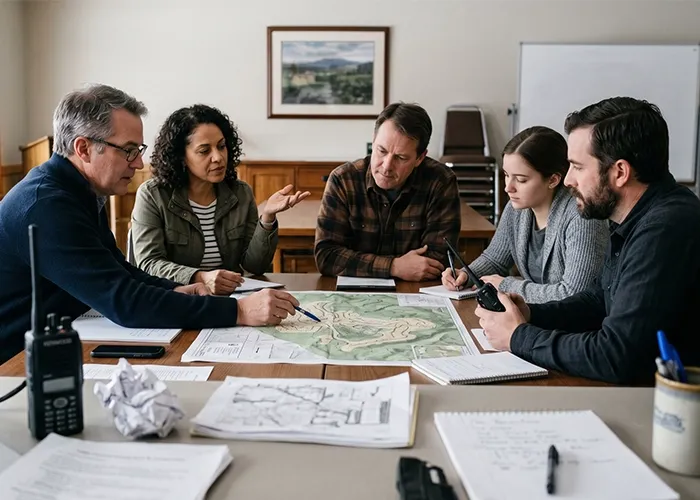
An HOA disaster team plays a critical role in keeping a community safe when the unexpected happens. From severe weather to infrastructure failures, having a clear plan and a trained group in place can make all the difference. Communities that prepare ahead of time are often able to recover faster and with less disruption.
What Is an HOA Disaster Team and Why It Matters
An HOA disaster team is a group of individuals responsible for preparing for, responding to, and recovering from emergencies within a community. This team may include board members, property managers, maintenance staff, and trusted vendors who can act quickly when needed.
When a crisis occurs, decisions must be made in real time. Without a structured team, responses can feel scattered or delayed. A disaster team brings order to a stressful situation, ensuring that safety, communication, and recovery efforts stay on track.
It also helps reduce liability. When an association can show that it has taken reasonable steps to prepare for emergencies, it demonstrates responsibility and care. That can matter both for resident confidence and for legal protection.
Common Risks HOAs Should Be Prepared For
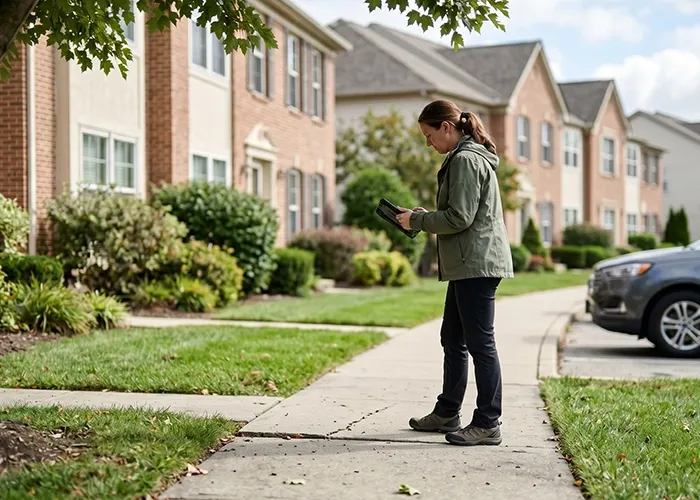
Every community faces different risks, but some emergencies tend to appear more often than others. Recognizing these threats is the first step toward building an effective response plan.
Natural disasters are often top of mind. Hurricanes, wildfires, floods, and severe storms can cause widespread damage in a short amount of time. Communities in certain regions may face one type of event more frequently than others, but no area is completely risk-free.
Infrastructure issues can also create serious problems. Water main breaks, electrical outages, and structural damage to shared spaces can disrupt daily life and require immediate attention. These events may not make headlines, but they can still have a major impact on residents.
There are also unexpected incidents such as fires, accidents in common areas, or security concerns. While these situations vary in scale, they still require a coordinated response to protect residents and property.
Key Roles Within an HOA Disaster Team
A well-organized disaster team works best when roles are clearly defined. This allows each member to focus on specific responsibilities without confusion during an emergency.
Some common roles include:
- Team Leader or Coordinator — Oversees the response effort and makes high-level decisions. This role is often filled by a board member or property manager.
- Communication Lead — Handles updates to residents, vendors, and emergency services. Clear communication helps reduce panic and keeps everyone informed.
- Maintenance and Operations Lead — Coordinates physical response efforts such as repairs, inspections, and vendor access.
- Safety Officer — Focuses on resident safety and ensures that protocols are followed during the event.
- Vendor and Contractor Liaison — Works directly with outside service providers to secure quick response times and manage ongoing work.
While not every HOA will have a large team, assigning these responsibilities in advance helps avoid delays when time matters most.
Building a Disaster Response Plan That Works
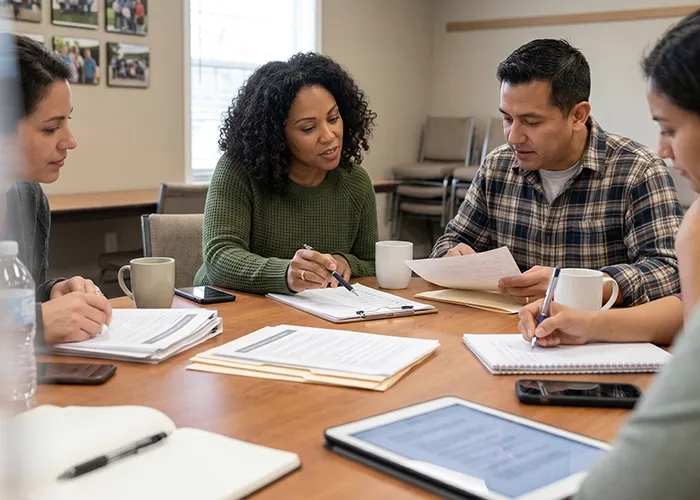
Creating a plan is more than writing down steps. It involves thinking through how your community will actually respond under pressure.
Start by identifying the most likely risks in your area. From there, outline clear procedures for each type of emergency. This includes evacuation guidelines, communication protocols, and vendor contacts.
Your plan should also include:
- Emergency Contact Lists — Maintain updated contact information for residents, board members, vendors, and local emergency services.
- Communication Channels — Decide how updates will be shared. This could include email, text alerts, or community portals.
- Access to Critical Documents — Store insurance policies, governing documents, and vendor agreements in a secure but accessible location.
- Backup Plans — Consider what happens if primary systems fail. For example, how will you communicate if power or internet access is lost?
A strong plan is one that can be followed even in less-than-ideal conditions.
Training and Preparing Your Team
Even the best plan will fall short if the team is not familiar with it. Training helps turn written procedures into real-world actions.
Regular meetings give team members a chance to review roles and discuss updates. It also keeps disaster preparedness top of mind instead of something that is only considered once a year.
Simulated drills can be especially helpful. Walking through a scenario allows the team to identify gaps and improve coordination. It also builds confidence so that when a real event occurs, the response feels more natural.
Training should extend beyond the disaster team as well. Residents benefit from knowing what to expect and how to respond. This shared understanding can reduce confusion during an emergency.
Communication Strategies During an Emergency

Clear communication is one of the most important parts of disaster response. Residents want to know what is happening, what they should do, and when to expect updates.
Messages should be simple and direct. Avoid technical language or long explanations during an emergency. Focus on the information residents need right away.
It is also important to provide updates regularly, even if there is no major change. Silence can create uncertainty, while consistent communication helps maintain trust.
Consider using multiple channels to reach residents. Not everyone checks email at the same time, so combining email, text alerts, and posted notices can improve visibility.
Working With Vendors and Emergency Services
A strong HOA disaster team does not work alone. Vendors and local emergency services play a key role in response and recovery.
Building relationships ahead of time can make a noticeable difference. When vendors are familiar with your property, they can respond more quickly and efficiently. This is especially important for services like debris removal, restoration, and utility repairs.
It is also helpful to have contracts or agreements in place before an emergency occurs. This reduces delays and helps control costs during a time when quick decisions are needed.
Coordination with local emergency services ensures that your community is aligned with broader response efforts. This can improve both safety and efficiency during large-scale events.
Financial Planning and Insurance Considerations
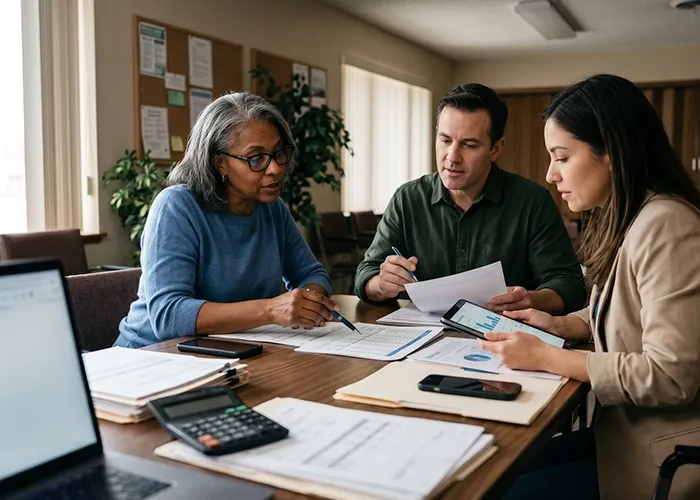
Disasters often come with unexpected costs. Planning for these expenses can help an HOA recover without placing sudden financial strain on residents.
Reserve funds should be reviewed to ensure they can support emergency repairs. While not all costs can be predicted, having a financial cushion can make a significant difference.
Insurance coverage is another important piece of the puzzle. Boards should regularly review policies to confirm that coverage aligns with current risks. This includes understanding what is covered, what is excluded, and how claims are handled.
Clear documentation during and after an event can support the claims process. Photos, reports, and detailed records help provide a clear picture of the damage and the steps taken to address it.
Supporting Residents Before, During, and After a Disaster
An HOA disaster team is not only focused on property. It also plays a role in supporting residents throughout the entire process.
Before an event, education can help residents feel more prepared. Sharing tips on emergency kits, evacuation routes, and communication expectations can make a difference.
During a disaster, the focus shifts to safety and clear guidance. Residents may look to the association for direction, so timely updates are essential.
After the event, recovery becomes the priority. This may include coordinating repairs, addressing concerns, and helping residents return to normal routines. A thoughtful approach can strengthen the sense of community even after a challenging situation.
Reviewing and Improving Your Disaster Plan Over Time
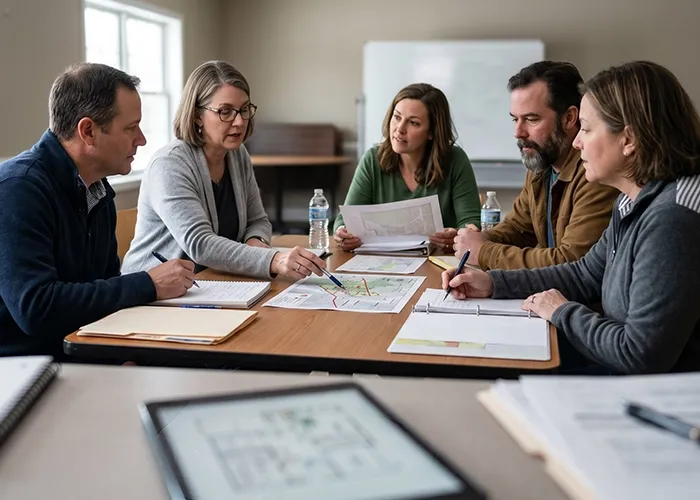
Preparedness is not a one-time effort. As communities grow and change, disaster plans should evolve as well.
Regular reviews allow the board and disaster team to identify areas for improvement. This might include updating contact information, adjusting procedures, or adding new resources.
Feedback from past events can be especially valuable. Even small incidents can provide insights into what worked well and what could be improved.
By treating disaster planning as an ongoing process, HOAs can stay ready for whatever challenges may come their way.
Building a Safer Community Starts With Preparation
An effective HOA disaster team helps turn uncertainty into action. With the right plan, clear roles, and consistent communication, communities can face emergencies with confidence.
Want to strengthen your community’s disaster preparedness? Freedom Community Management can help you build a customized HOA disaster plan that fits your property and your risks. Reach out today to start creating a safer, more resilient community.
Need Help With Your Community?
Freedom Community Management provides professional HOA and condo management across Florida.