
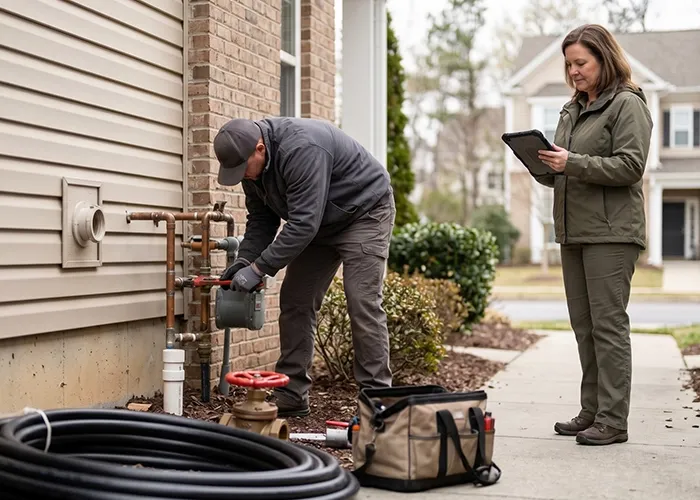
Plumbing contracts for HOAs play a bigger role than many boards expect. They do more than fix leaks. They help prevent costly damage, keep systems running smoothly, and protect the association from liability.
When handled the right way, these contracts become a long-term asset rather than a recurring expense.
Understanding Plumbing Contracts for HOAs
Plumbing contracts for HOAs are agreements between an association and a licensed plumbing provider. These contracts outline services, response times, pricing, and responsibilities for both sides.
In most communities, plumbing needs are ongoing. Pipes age, fixtures wear down, and unexpected issues can arise without warning. A well-structured contract creates consistency and removes guesswork when problems occur.
It also gives boards a clear framework for decision-making. Instead of reacting to emergencies, the association can rely on a plan that has already been reviewed and approved.
Why Plumbing Contracts Matter in Community Management
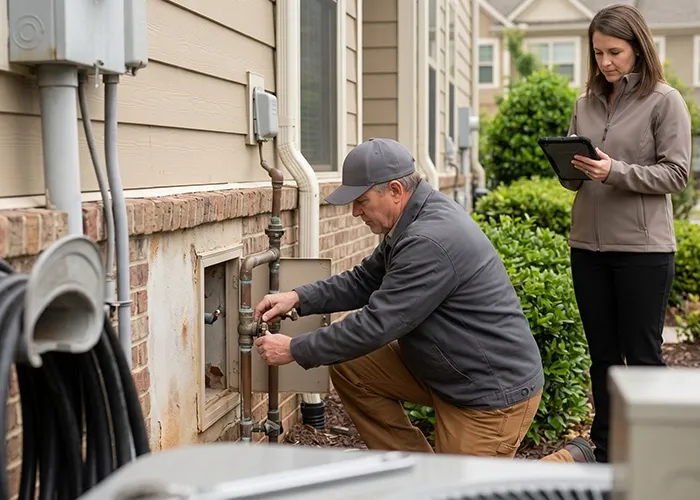
It is easy to think of plumbing as a maintenance issue, but it often connects to larger concerns. Water damage can impact multiple units, common areas, and even structural components.
A contract helps reduce that risk by setting expectations for inspections, repairs, and response times. When a vendor is familiar with the property, they can often identify small issues before they become major repairs.
There is also a financial benefit. Emergency services tend to cost more, especially after hours. With a contract in place, pricing is usually more predictable, and in some cases, discounted rates may apply.
Common Services Included in Plumbing Contracts
Not every agreement looks the same, but most plumbing contracts for HOAs include a mix of routine and on-call services. Understanding what is typically covered can help boards compare proposals more effectively.
Routine Maintenance Services
Routine maintenance is the backbone of most contracts. These services focus on keeping systems in working order and catching problems early.
Typical inclusions may involve:
- Scheduled inspections of pipes, valves, and fixtures
- Drain cleaning in common areas
- Water pressure checks and adjustments
- Inspection of irrigation-related plumbing components
These tasks may seem small, but they often prevent larger failures. Regular maintenance also extends the life of plumbing systems, which helps protect reserve funds.
Emergency Response Coverage
Plumbing emergencies rarely happen at convenient times. Burst pipes, major leaks, or sewer backups can occur overnight or during weekends.
Most contracts outline response times for urgent situations. This may include:
- 24/7 emergency availability
- Guaranteed response windows
- Priority service over non-contract clients
Having this clearly defined removes confusion during stressful situations. The board and management team know exactly who to call and what to expect.
Repair and Replacement Work
Contracts may also address how repairs are handled. Some include basic repairs within the agreement, while others offer discounted rates for additional work.
This section often covers:
- Labor rates for repairs
- Material costs or markups
- Approval thresholds for larger projects
Clarity here is important. It helps prevent unexpected invoices and keeps spending aligned with the association’s budget.
Key Terms Every HOA Should Review

Before signing any agreement, boards should take time to review the details. Even small clauses can have a big impact later.
Scope of Work
The scope of work defines what the contractor is responsible for. It should be detailed enough to avoid confusion but flexible enough to handle real-world conditions.
Look for clear language around included services, excluded items, and any limitations. If something is not listed, it may not be covered.
Pricing Structure
Pricing can vary widely between vendors. Some contracts use flat monthly fees, while others combine base fees with hourly rates.
Boards should pay attention to:
- Fixed costs versus variable charges
- Overtime or after-hours rates
- Material pricing policies
Understanding the full cost structure helps avoid surprises down the line.
Term Length and Renewal
Contract length is another important factor. Some agreements run for one year, while others extend longer with automatic renewal clauses.
It is worth reviewing:
- Initial contract term
- Renewal conditions
- Notice requirements for cancellation
Shorter terms may offer flexibility, while longer terms can provide pricing stability.
Insurance and Licensing Requirements
Plumbing work carries risk, especially in shared community spaces. Contractors should carry appropriate insurance and hold valid licenses.
Boards should confirm:
- General liability coverage
- Workers’ compensation insurance
- State or local licensing compliance
This protects the association if something goes wrong during a project.
How to Choose the Right Plumbing Vendor
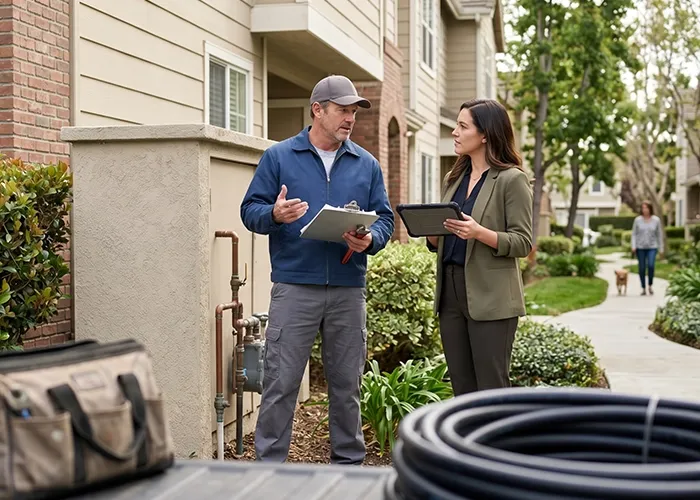
Selecting a vendor is not just about cost. The right partner should align with the community’s needs and expectations.
Evaluate Experience With HOAs
Not all plumbers are familiar with the unique challenges of community associations. Multi-unit properties, shared systems, and board approvals create a different working environment.
Look for vendors who have experience with HOAs or similar properties. They are more likely to understand communication protocols and approval processes.
Check References and Reputation
A vendor’s track record can reveal a lot. Speaking with other associations or property managers can provide insight into reliability and service quality.
Online reviews can also help, but direct references tend to be more useful. They offer real-world examples of how the vendor performs over time.
Assess Communication and Responsiveness
Communication often becomes the deciding factor in long-term partnerships. A vendor who responds quickly and communicates clearly can make a significant difference.
Consider how the company handles:
- Service requests
- Updates during repairs
- Follow-up after completed work
Strong communication builds trust and reduces misunderstandings.
Preventive Maintenance and Long-Term Planning
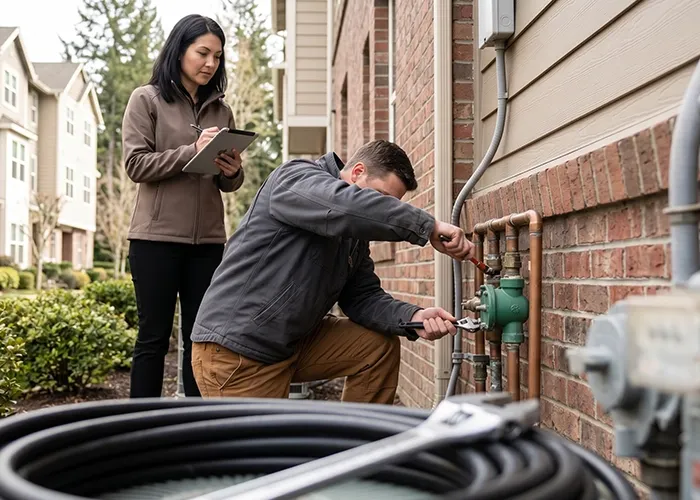
Preventive maintenance is where plumbing contracts truly add value. Instead of reacting to failures, the association can take a proactive approach.
Regular inspections and servicing help identify wear and tear early. Over time, this reduces the likelihood of major repairs and extends the lifespan of key components.
It also supports long-term planning. When maintenance is consistent, boards can better anticipate future expenses and align them with reserve studies.
Budgeting for Plumbing Contracts
Budgeting for plumbing services requires a balance between cost control and risk management. While it may be tempting to choose the lowest bid, that approach can lead to higher costs later.
A well-structured contract provides predictable expenses. This makes it easier to plan annual budgets and avoid unexpected spikes in spending.
Boards should also consider how plumbing contracts fit into the broader financial picture. Maintenance costs, reserve contributions, and emergency funds all play a role in keeping the community stable.
Common Mistakes to Avoid

Even experienced boards can run into issues when managing contracts. Recognizing common pitfalls can help avoid costly mistakes.
Overlooking Contract Details
It is easy to focus on pricing and overlook the fine print. However, small details can have a big impact.
Take time to review all sections carefully. If something is unclear, ask for clarification before signing.
Choosing Based on Price Alone
Lower pricing may look appealing, but it does not always reflect the full value of a contract. Service quality, reliability, and experience should also factor into the decision.
A slightly higher cost may be justified if it leads to better service and fewer issues over time.
Failing to Review Performance
Once a contract is in place, it should not be forgotten. Regular performance reviews help ensure the vendor is meeting expectations.
This may include:
- Tracking response times
- Reviewing completed work
- Gathering feedback from residents or staff
Ongoing evaluation keeps the relationship productive and accountable.
Legal Considerations for HOA Plumbing Agreements
Legal considerations are often part of the contracting process, even if they are not always front of mind.
Contracts should align with the association’s governing documents and local regulations. This may include approval requirements or specific language related to vendor agreements.
It is also wise to involve legal counsel when reviewing contracts. A brief review can help identify potential risks and ensure the agreement protects the association’s interests.
Coordinating With Property Management
For many HOAs, property managers play a key role in handling vendor relationships. They often serve as the point of contact for service requests and contract oversight.
Clear communication between the board, manager, and vendor is essential. Each party should understand their responsibilities and how decisions are made.
When everyone is aligned, service requests are handled more efficiently, and issues are resolved more quickly.
Adapting Contracts as Communities Evolve
Communities change over time. Infrastructure ages, resident needs shift, and new technologies become available.
Plumbing contracts should evolve as well. Periodic reviews allow the board to adjust services, update pricing, or explore new solutions.
This keeps the agreement relevant and ensures it continues to meet the community’s needs.
Stronger Systems, Smarter Planning, and Long-Term Peace of Mind
Plumbing contracts for HOAs provide structure, reliability, and peace of mind when managed thoughtfully. They turn an unpredictable expense into a manageable part of community operations.
With the right approach, boards can build partnerships that protect both their property and their budget for years to come.
Freedom Community Management helps keep your community’s plumbing systems running efficiently with proactive solutions you can trust. Get in touch with us today to get started.
Need Help With Your Community?
Freedom Community Management provides professional HOA and condo management across Florida.